
Arctic Native peoples quick facts
- People crossed into North America over the Bering Land Bridge more than 14,000 years ago.
- The Iñupiat and Yup’ik had been whaling for a thousand years before American whaling ships arrived.
- Old Arctic houses at Birnirk had frames of driftwood and whalebone and a low doorway to trap the heat.
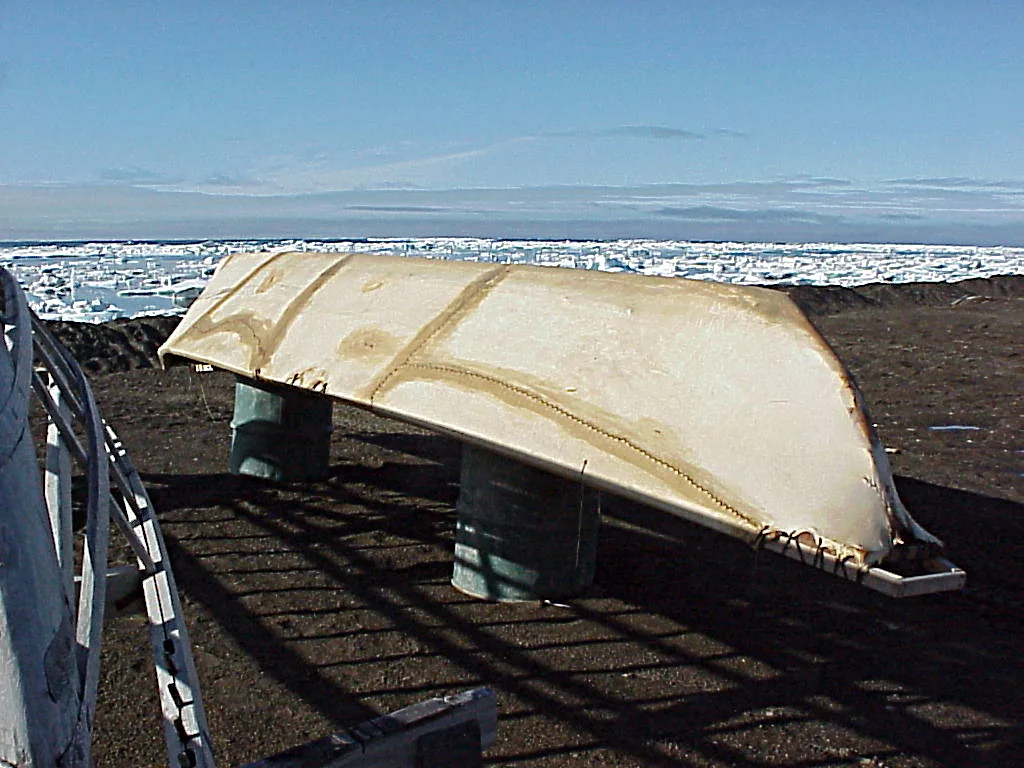
- Archaeologists found the remains of an umiak, a large open boat, about 1,000 years old.
- Seal oil kept berries, fish eggs and greens good all winter, and it goes into akutaq, sometimes called Native ice cream.
Where is the Arctic region?
The Arctic is the far north of the world, around the North Pole. In North America, Arctic peoples live across northern Alaska, northern Canada and Greenland.
This guide looks mostly at the Arctic peoples of Alaska, the part of the Arctic that is in the United States and the part a US regions project usually asks about.

The first people of the Arctic
More than 14,000 years ago, people crossed from East Asia into North America over a huge stretch of land called the Bering Land Bridge. Most of it now lies under the sea. The National Park Service says today’s Alaska Native peoples of the Arctic trace their families and traditions back to those first settlers.
Some families still have close ties to Yup’ik relatives on the other side of the Bering Strait, in Russia. The sea that divides them was once dry land.
The Arctic peoples
Several peoples live in and around Alaska’s Arctic. The Alaska Native Heritage Center in Anchorage teaches about each of Alaska’s major culture groups. Three are named here.
Arctic Peoples and Their Places
- Iñupiat — Northernmost Alaska, including the town of Utqiagvik
- Yup’ik — Around the Bering Strait, with relatives on the other side
- Athabaskan — In and around Alaska’s Arctic parks
| People | Where |
|---|---|
| Iñupiat | Northernmost Alaska, including the town of Utqiagvik |
| Yup’ik | Around the Bering Strait, with relatives on the other side of it |
| Athabaskan | In and around Alaska’s Arctic parks |
Moving with the seasons
Food in the Arctic is ready at different times in different places. So for most of history, the National Park Service explains, groups were small and on the move. They travelled through the year between a series of camps, each one close to the food of that season.
That only changed recently. It was not until the last century that most people settled in villages where they lived all year round.
Homes: driftwood, whalebone and sod
Arctic builders used what they could find, including what the sea brought them. At the Birnirk site near Utqiagvik, archaeologists have studied houses that people lived in long ago. The National Park Service describes them.
- The houses were square and about 12 feet (3.7 metres) wide.
- Driftwood and whalebones made the frame of the walls and the roof.
- The roof was covered with sod, blocks of earth with grass growing in them.
- The way in was lower than the floor. Cold air sinks, so a low entrance kept the warm air trapped inside.
Homes were lit and warmed by stone lamps. At Birnirk, people kept building new houses on top of the ruins of old ones for hundreds of years. The layers slowly built up into mounds up to 14 feet tall.
Communities built other kinds of traditional buildings too, such as the Iñupiaq qargi and the Yup’ik qasgiq. You can see life-sized examples, built by Alaska Native elders, at the Alaska Native Heritage Center in Anchorage.
Building with Driftwood and Whalebone
- What was used to cover the roofs of the houses at Birnirk?
- How did Arctic builders get the wood for their house frames?
- What lit and warmed the homes at Birnirk?
- What happened when people at Birnirk built new houses on the ruins of old ones for hundreds of years?

Food: whales, seals and caribou
Most Arctic food came from animals. People hunted seals, fished, caught birds, and hunted caribou and smaller land animals.
One of the most important hunts was for whales. The National Park Service says the Iñupiat and Yup’ik people of northern Alaska and the Bering Strait had already been whaling for a thousand years when American whaling ships arrived in the late 1800s.
Those ships came in great numbers. More than 2,000 whaling voyages sailed into Arctic waters from New Bedford in Massachusetts. Many Alaska Natives joined the ships’ crews and supplied them with food. They shared clothing designs made for Arctic weather, and they sheltered many whalers whose ships were wrecked. Every community felt the effects.
The seal: food, oil and clothing
The seal gave far more than meat. A National Park Service article written with Alaska Native communities explains how each part has been used. Some of these uses come from the Sugpiaq, who live further south on Alaska’s rainy coast.
| Part of the seal | What it was used for |
|---|---|
| Blubber | Melted into seal oil, which kept berries, fish eggs and greens good all winter |
| Seal oil | An ingredient in akutaq, sometimes called Native ice cream |
| Intestines | Stuffed with meat and fat to make sausages |
| Dried stomach | A container for storing food, or a float on a harpoon line |
| Hide | Warm layers of clothing for winter |
| Guts | Sewn into rainproof parkas |
| Flippers | A special food, often given to elders as a sign of respect |
Some parts take real skill to prepare. Cooking flippers is a long job: the hair and skin are singed off, then the flipper is scraped and baked. Elders are often the ones who have both the time and the knowledge to do it properly.
Hunting was full of respect for the animal. Among the Sugpiaq, men made new weapons, because it was believed the seals liked to be caught with beautiful weapons. Women sewed new boots and gut parkas, both to protect the hunters and to please the seals.
Many Uses of the Seal
- Blubber — Melted into seal oil
- Seal oil — An ingredient in akutaq
- Dried stomach — A container for food, or a float on a harpoon line
- Guts — Sewn into rainproof parkas
- Flippers — A special food often given to elders
Natural resources and how they were used
| Natural resource | What it was used for |
|---|---|
| Whales | Food, and bones for house frames |
| Seals | Food, oil, clothing and containers |
| Driftwood | House frames |
| Sod | Covering the roofs of houses |
| Stone | Lamps for light and heat, and tools |
| Caribou, fish and birds | Food |
| Ivory | Decorations set into boats |
Boats, sleds and tools
Hunting at sea needed good boats. One of the most exciting finds at Birnirk is the remains of an umiak about 1,000 years old. An umiak is a large open boat. This one still has decorations of ivory set into it, and parts tied together with baleen, the springy material some whales have in their mouths instead of teeth. Boats made of wood and animal parts almost never survive that long, which makes it very rare.
Other finds at Birnirk show how people lived and travelled. Archaeologists found toboggans for travel in winter and summer, harpoon parts, and floats made of sealskin that were tied to harpoon lines. They also found tools of chipped stone, ground slate and carved bone.
Hunters at Birnirk carried a whole kit of weapons. Archaeologists found parts of bows and arrows, arrow points carved from caribou antler, fishing spears, bird darts, and parts of a throwing board that helped a hunter hurl a spear harder. They also found bolas, weights on cords that were thrown to tangle birds in flight.
The National Park Service says the Birnirk culture, from about 1,500 to 1,000 years ago, is the earliest example of modern Iñupiat culture in northern Alaska. In that period, seals, fish, birds and caribou were the main foods, and whales were rarely caught. Whaling grew more important later.
The skills developed at Birnirk and similar sites helped people spread right across the Arctic of North America and on to Greenland.
Boats, Tools and Finds at Birnirk
- What is baleen?
- Why is it so rare for archaeologists to find an old boat like the umiak?
- What did a throwing board help a hunter do?
- What were bolas used for?

Clothing
Clothing in Alaska had to beat the cold and the wet. Seal hide made warm layers for winter. On the rainy southern coast, the Sugpiaq sewed gut parkas from seal intestines, which rain could not get through.
Sewing was a vital skill. Among the Sugpiaq, women sewed new boots and parkas before the seal hunt to protect the hunters. Farther north, Iñupiat people shared their Arctic clothing designs with the American whalers.
The Arctic peoples today
Arctic peoples still hunt, fish and gather. The National Park Service says Iñupiat, Yup’ik and Athabaskan families still rely on these foods in and around Alaska’s Arctic parks. This way of life is called subsistence: harvesting, preparing and sharing wild foods. It brings food security, and it also links people, their culture and the land.
Whaling goes on too. Alaska Native communities still hunt whales for food, as their families have done for more than a thousand years.
Culture is being passed on in other ways as well. In Utqiagvik, the Iñupiat Heritage Center shares Iñupiat history. In Anchorage, Alaska Native elders built the Alaska Native Heritage Center’s village sites in the late 1990s, partly so they could teach young people the old ways of building.
Want to compare the Arctic with the rest of North America? Start with our Native American facts.
Arctic Peoples Today
- What does the word subsistence mean in this guide?
- Which of these is still true of Alaska Native communities today?
- Why did Alaska Native elders build the village sites at the Alaska Native Heritage Center?
Three things people get wrong
“Arctic homes were made of snow.” The homes archaeologists have studied at Birnirk in Alaska were built of driftwood and whalebone, with roofs of sod, and a low doorway to trap the warmth.
“Arctic peoples always lived in villages.” For most of history, small groups moved between seasonal camps. Most year-round villages only began in the last hundred years or so.
“Whaling was brought by outsiders.” The Iñupiat and Yup’ik had been whaling for about a thousand years before American whaling ships arrived in the 1800s.
Did you know? At the Birnirk site near Utqiagvik, people built new houses on the ruins of old ones for hundreds of years, until the layers made mounds up to 14 feet tall.
Try it
Hold your hand near the top of an open door on a cold day, then near the bottom. Warm air rises and cold air sinks. That is why Arctic houses had a doorway lower than the floor.
Knowledge check
Why did Arctic houses have an entrance lower than the floor?
Show answer
To trap heat. Cold air sinks, so a low entrance kept the warm air up inside the house.
How long had the Iñupiat and Yup’ik been whaling when American whaling ships arrived?
Show answer
About a thousand years. The American whaling ships only arrived in the late 1800s.
Frequently asked questions
Who are the Arctic Native peoples?
In Alaska they include the Iñupiat of the far north and the Yup’ik around the Bering Strait, with Athabaskan peoples nearby. Arctic peoples also live across northern Canada and Greenland.
What kind of homes did Arctic peoples live in?
Houses studied at the Birnirk site in Alaska were square, about 12 feet wide, framed with driftwood and whalebone, and roofed with sod. The entrance was below the floor to trap the warmth, and stone lamps gave light and heat.
What did Arctic peoples eat?
Most of their food came from animals: whales, seals, fish, birds, caribou and smaller land animals. Seal oil was used to keep berries, fish eggs and greens through the winter.
How did Arctic peoples use seals?
Seals gave meat and blubber for oil, hides for warm clothing, intestines for sausages, and stomachs for storage containers and harpoon floats. Flippers are a special food often given to elders.
What is an umiak?
An umiak is a large open boat. The remains of one about 1,000 years old were found at Birnirk in Alaska, still decorated with ivory and tied together with baleen.
Did Arctic peoples live in villages?
For most of history they moved between seasonal camps, following the food of each season. Most people only settled in year-round villages during the last century.
Do Arctic peoples still hunt and fish today?
Yes. Iñupiat, Yup’ik and Athabaskan families still rely on hunting, fishing and gathering, a way of life called subsistence, and Alaska Native communities still hunt whales.
Sources
- National Park Service: The Arctic, history and culture — the Bering Land Bridge, seasonal camps, the move to villages, and subsistence today
- National Park Service: Birnirk National Historic Landmark — ancient houses, stone lamps, the 1,000-year-old umiak and other finds
- National Park Service: Alaska Native heritage and the Iñupiat Heritage Center — a thousand years of whaling, the American whaling ships, and whaling today
- National Park Service: Seals and subsistence — what subsistence means, the uses of the seal, and Sugpiaq gut parkas and hunting customs
- Alaska Native Heritage Center: Museum and research — Alaska’s culture groups and the traditional dwellings built by elders
Arctic Native Peoples Final Quiz
- What happened to most of the Bering Land Bridge?
- Why were groups small and on the move for most of history?
- Some Yup’ik families have close ties to relatives where?
- What did the Iñupiat share with American whalers who came to the Arctic?
- Among the Sugpiaq, why did women sew new boots and parkas before the seal hunt?
- What were the arrow points at Birnirk carved from?
- Where can you see life-sized traditional buildings made by Alaska Native elders?
- Which of these is NOT something the guide says people used from the sea or shore?


