
Can you imagine a planet where winds blow faster than fighter jets? Neptune is the eighth and farthest major planet from the Sun, it is the windy blue planet with storms and mysteries. Keep on reading to learn facts about Neptune for kids!
Who Discovered Neptune and How?
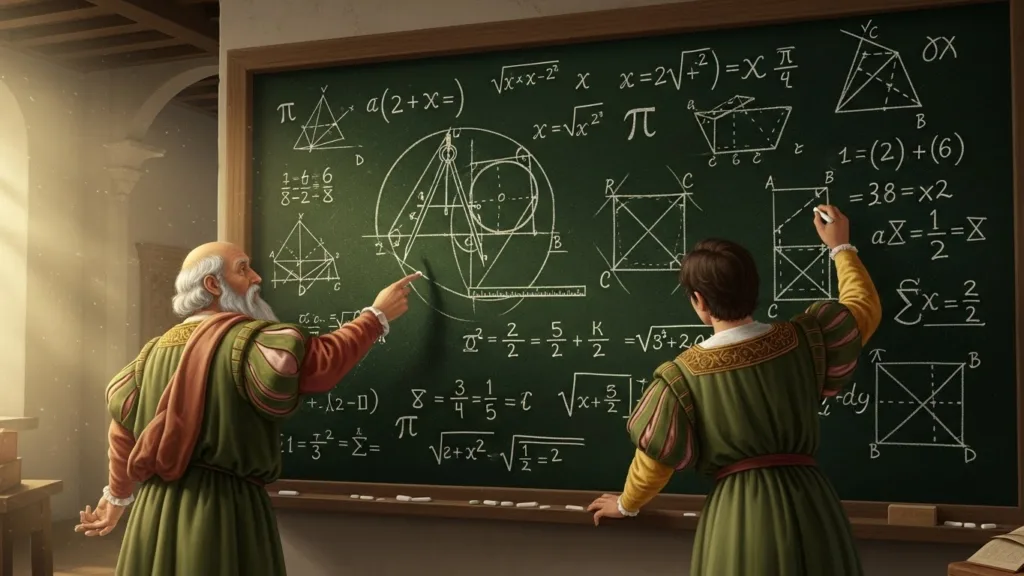
Did you know Neptune was not first seen by a telescope? This planet was found by its gravitational effects on Uranus. The astronomers John Couch Adams and Urbain Le Verrier predicted its location mathematically, and Johann Galle confirmed these observations in 1846. Neptune was the first planet to be discovered through mathematics, and not through direct observation initially. The planet is referred to as Neptune after the Roman God of the sea, and in part because of its deep blue color. The planet’s blue color comes from the methane gas in its atmosphere, which absorbs red light.
How Big Is Neptune and How Long Is a Year on Neptune?
Neptune is the eighth planet from the Sun. The average distance of Neptune from the Sun is about 30.1 astronomical units ( which is 4.5 billion kilometers), because of this distance, the sunlight that the planet receives is very weak. Did you know that one Neptunian day (or rotation) is 16 hours long? While the one Neptunian year is 165 earth years long (this is the time it takes to orbit around the sun). Neptune spins on its axis and orbits more slowly than inner planets.
Comparison of Neptune to Earth
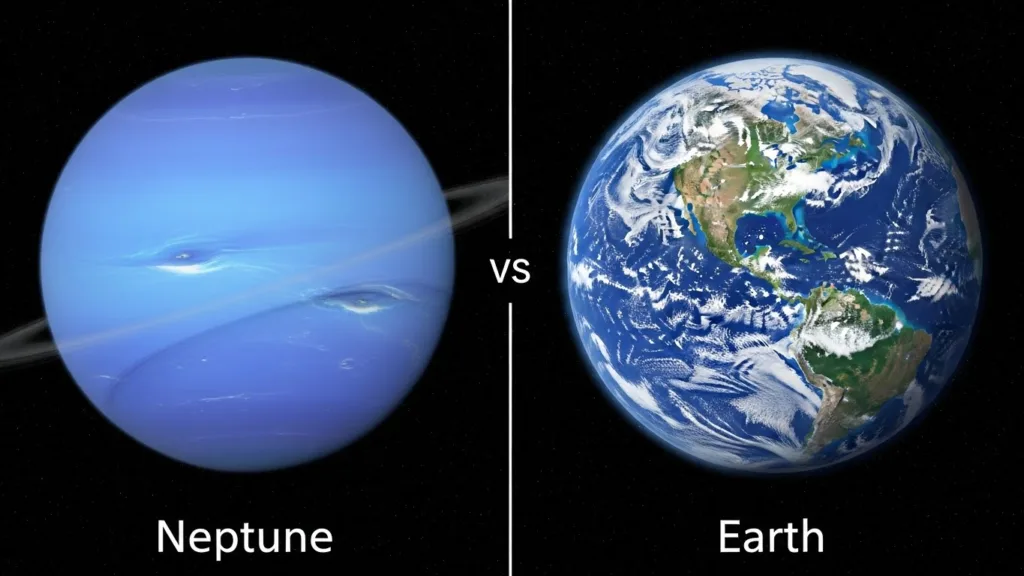
According to NASA Neptune is about 4 times wider in diameter than Earth. Think of Earth as the size of an apple and Neptune as the size of a basketball. Neptune is the fourth largest planet by diameter but third largest by mass, among the major planets and it experience storms like on Earth (except these storms are stronger than the ones we experience here)
Earth VS Neptune
| EARTH | NEPTUNE |
| Features: | Features: |
| Length of Day: 24 hours (23 hours 56 minutes) | Length of Day: 16 hours 6 minutes |
| Length of Year: 365.25 days (1 Earth year) | Length of Year: 60,190 Earth days (164.8 Earth years) |
| Atmosphere Characteristics: Breathable oxygen, Supports life, Moderate temperatures | Atmosphere Characteristics: Toxic to humans, Methane gives blue color, Extremely cold temperatures |
Appearance & Atmosphere of Neptune
Neptune has a striking blue color due to methane gas that absorbs red light. The planet has:
- Cloud bands
- Light and dark patches
- Storms, like the Great Dark Spot which was a massive storm (about Earth-sized) with winds measured as extremely fast.
Composition & Layers of Neptune
The atmosphere of Neptune is mostly made up of:
- Hydrogen
- Helium
- Small percentages of methane
- Some traces of other gases
Beneath the visible clouds the planet has layers of gas, and then the liquid “ice” mixture which is made up of:
- Water
- Ammonia
- Methane
There is no solid surface of Neptune and there is a magnetic field which is generated by motions in the planet’s interior.
Winds & Weather of Neptune
The planet Neptune experiences the fastest winds known in the Solar System which are recorded to be over 1,200 mph (1,930 kilometers) in specific places. These are much stronger than the strongest storms on Earth. There is a Great Dark Spot which is an Earth-sized storm with powerful winds, seen by the Voyager 2 in 1989. Other examples of dark spots are The Small Dark Spot or “Wizard’s Eye” that appeared in 1989 but eventually faded out.
Have you wondered what powers the weather on Neptune? The answer is that despite being far from the Sun, Neptune has internal heat that drives these storms and winds. The interaction between internal heat and atmospheric dynamics produces dramatic weather patterns according to the Planetary Society.
What Are Neptune’s Moons Like? (Meet Triton!)
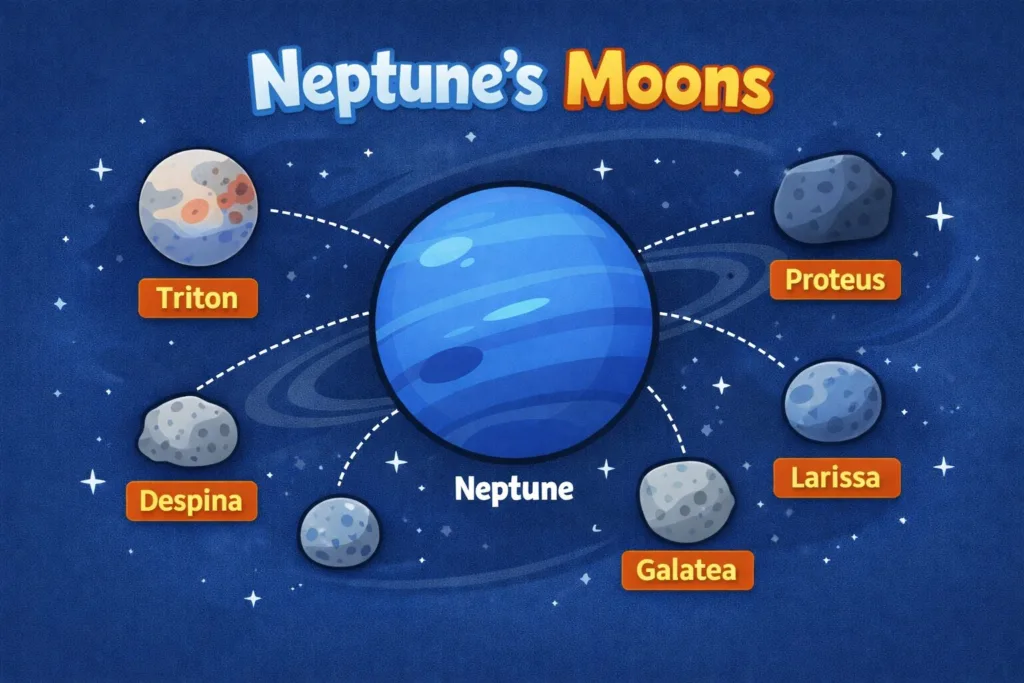
Neptune has a total of 14 known moons and the largest moon is Triton. Triton is nearly as big as Earth’s Moon, and it orbits in a retrograde direction (opposite Neptune’s spin). Triton likely was a captured dwarf planet, not formed with Neptune originally. Triton has features like nitrogen geysers and may have a subsurface ocean that still needs to be studied more.
Neptune also has a faint ring system which is not as bright as Saturn’s, but the rings are made up of dust and ice particles which are possibly coated with dark material.
Future Missions & Exploration
So far Voyager 2 is the only spacecraft to fly by Neptune in 1989. Currently there are no dedicated Neptune missions yet, though scientists propose future probes to better understand this ice giant
Fun Facts about Neptune
- Did you know Neptune was discovered through mathematical calculations and predictions?
- Triton’s orbit is retrograde, which means it moves “backwards”
- Some scientists believe that deep inside Neptune it may “rain diamonds” from methane breaking down under extreme pressure.
- Neptune’s Great Dark Spot is comparable in size to Earth.
- On average it takes light about 4 hours to travel from the Sun to Neptune because Neptune is so far.
Conclusion & Why Neptune Matters
Neptune is a very important planet like every other planet in the galaxy. This blue appearing planet contains many undiscovered surprises. Learning about Neptune will help us understand planets beyond our solar system and maybe one day you can add to these scientific discoveries!
External Links