History

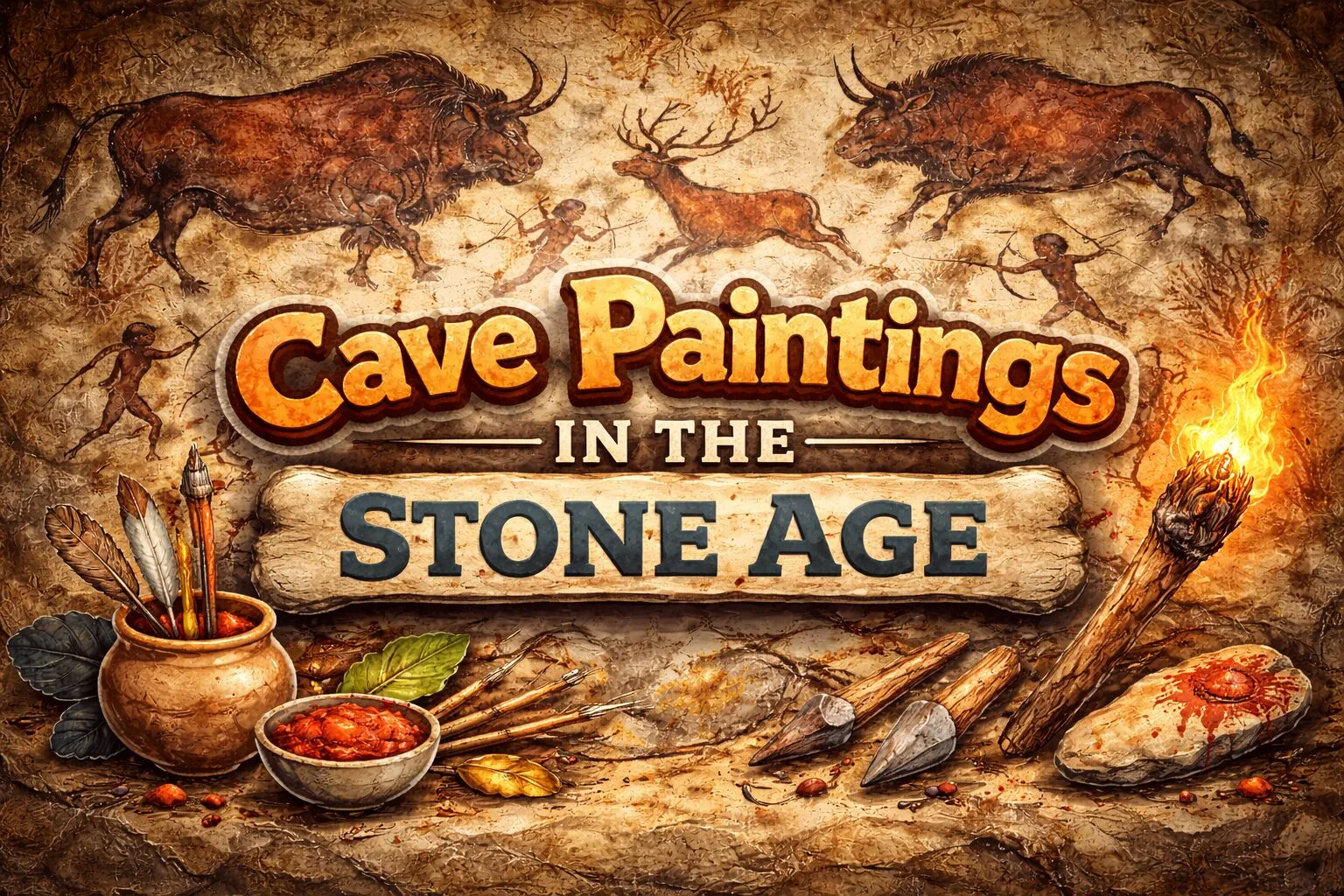
Cave Paintings in the Stone Age – The First Artists of the World
Many stories of hunts, animals and family were painted onto walls in caves. Stone Age cave paintings are among the earliest forms…

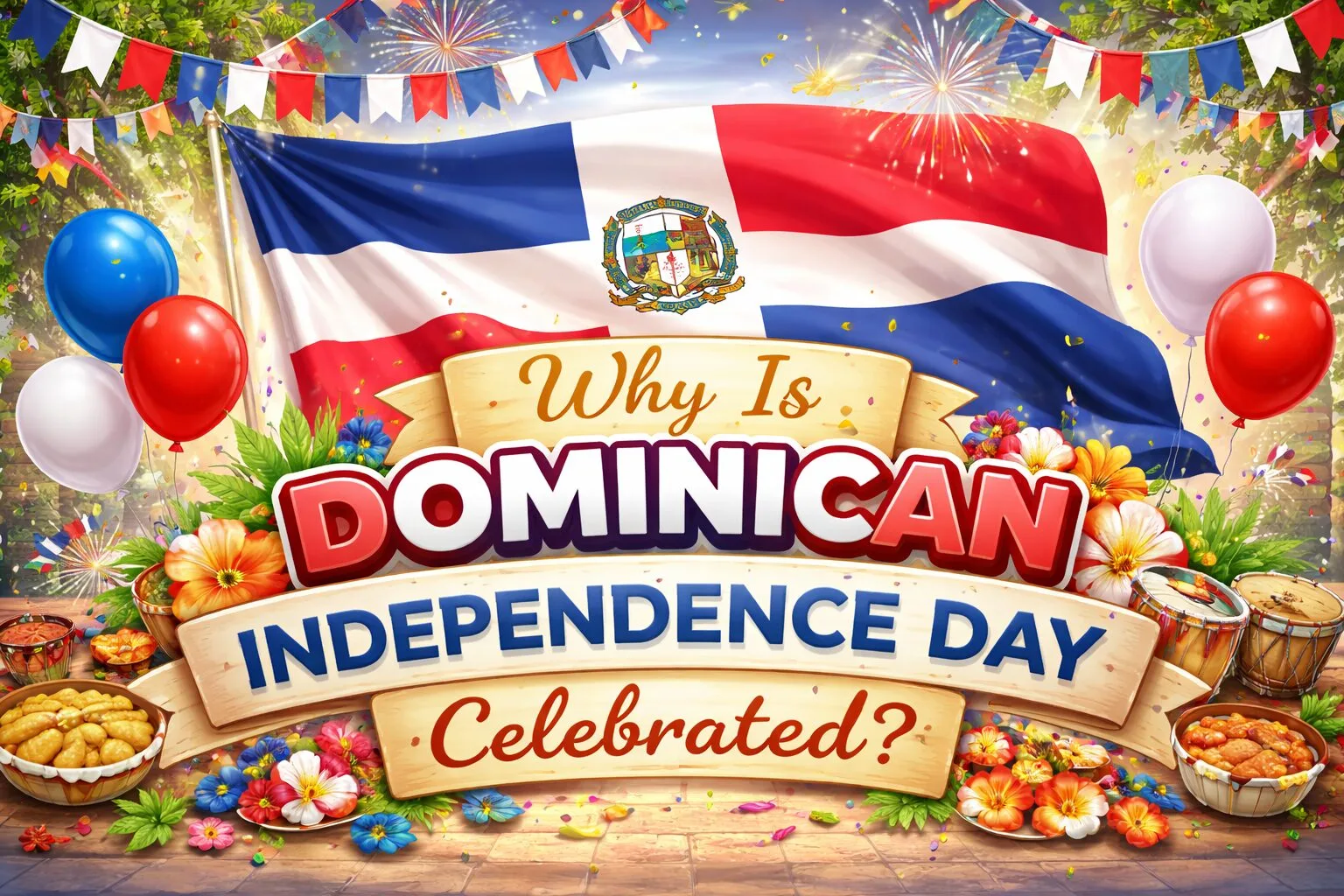
Why Is Dominican Independence Day Celebrated? – The Story of Freedom and Pride
The Dominican Republic celebrates its independence and the country’s liberation from Haitian rule in the year 1844. But behind the celebration lies…
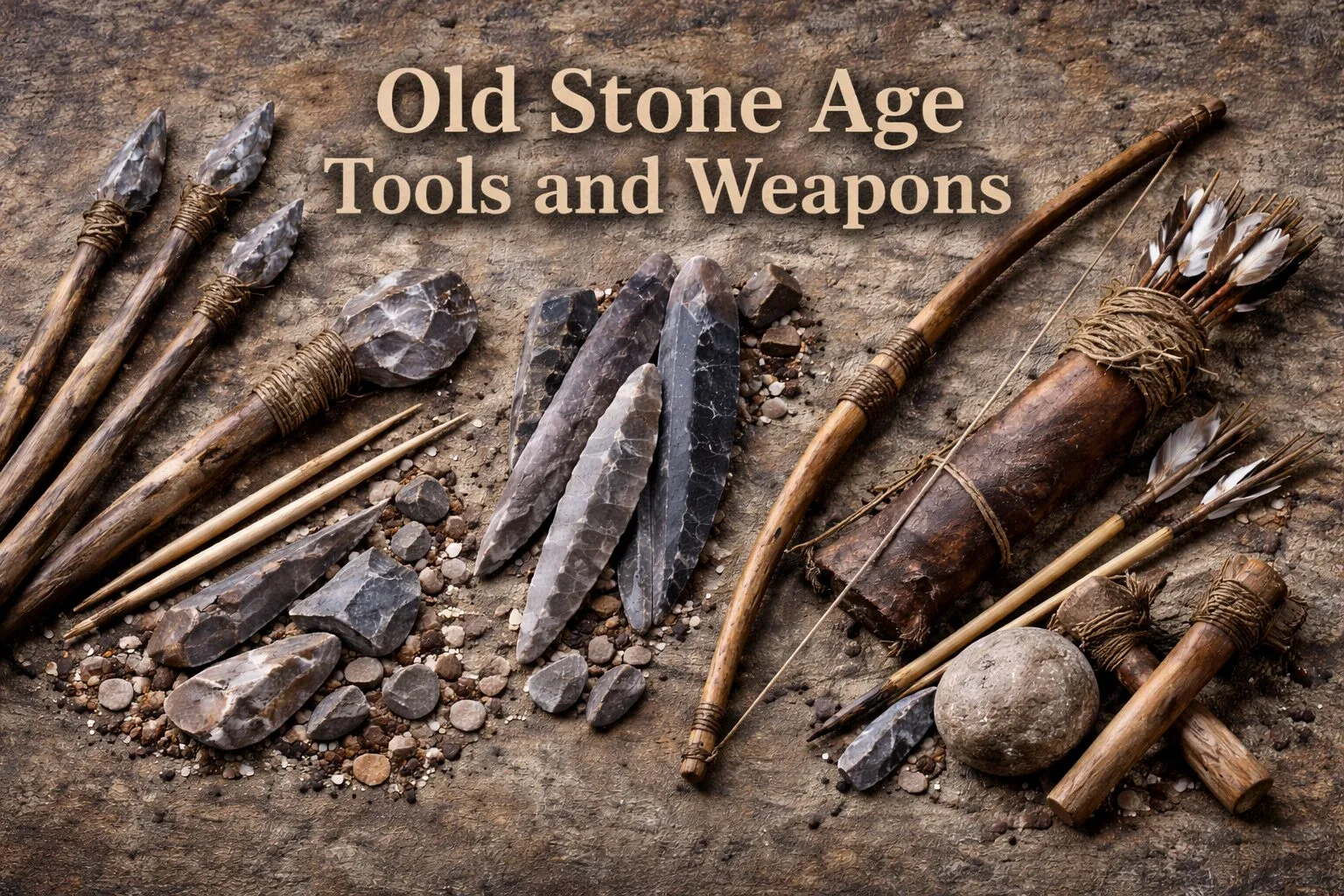
Old Stone Age Tools and Weapons – The First Steps of Human Invention
Over two million years ago, before farming or fire, humans struck one stone against another and made the first spark of technological…
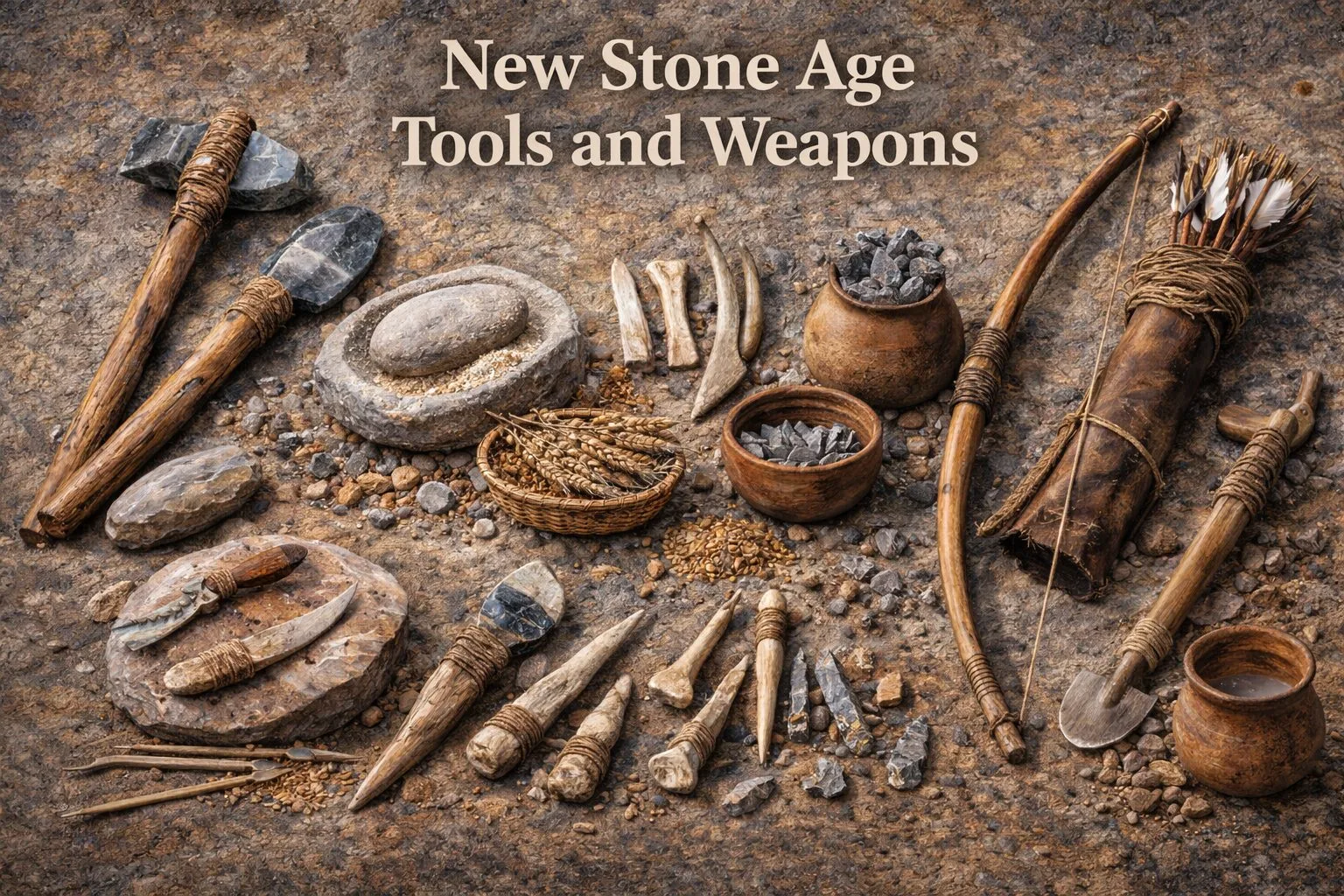
New Stone Age Tools and Weapons – How Early Humans Shaped the Future
This action changed the world forever as humans learned to farm, settle, and make polished tools and weapons. The New Stone Age…
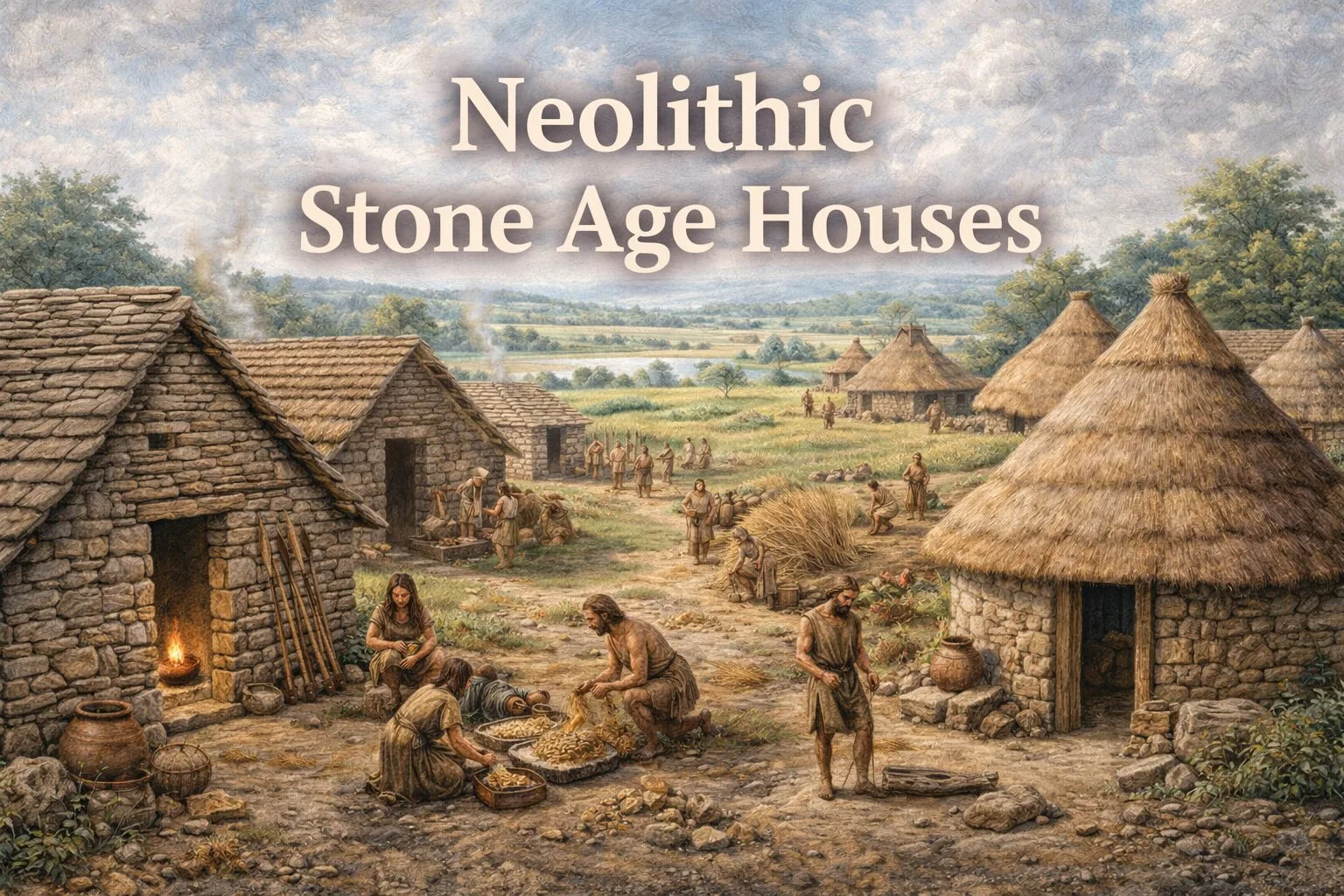
Neolithic Stone Age Houses – How Early Humans Built Their First Homes
Imagine waking up 9,000 years ago, not in a cave, but in a cozy clay hut with a fire in the center…
9/11 Facts for Kids: What Happened on September 11, 2001
Learning about 9/11 is very important as we understand the crucial history of the United States of America and it allows communities…
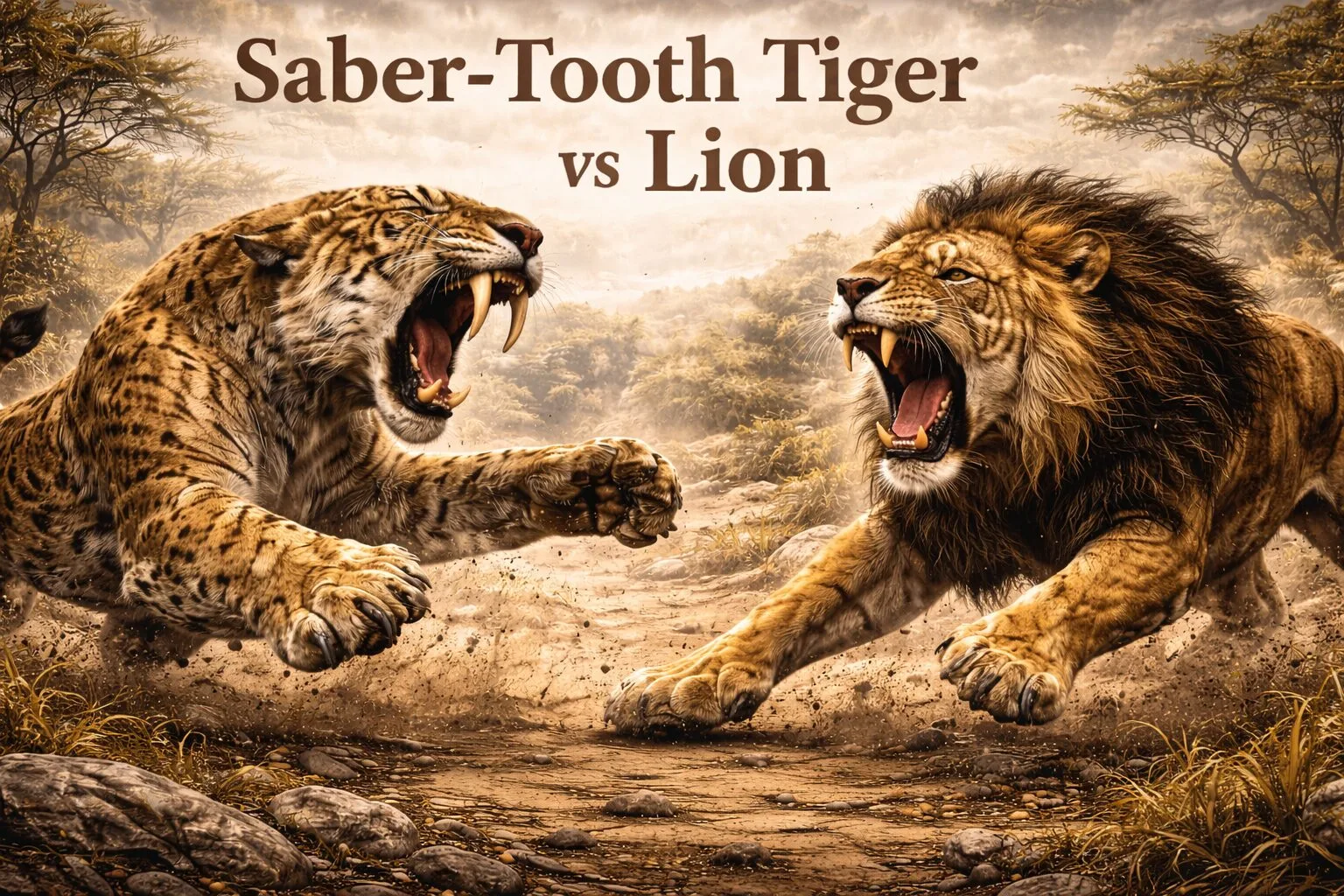
Saber-Toothed Tiger vs Lion: Who Would Win?
Compare Smilodon and the modern lion by size, build, teeth, hunting style and habitat—then see why science cannot name a certain winner.
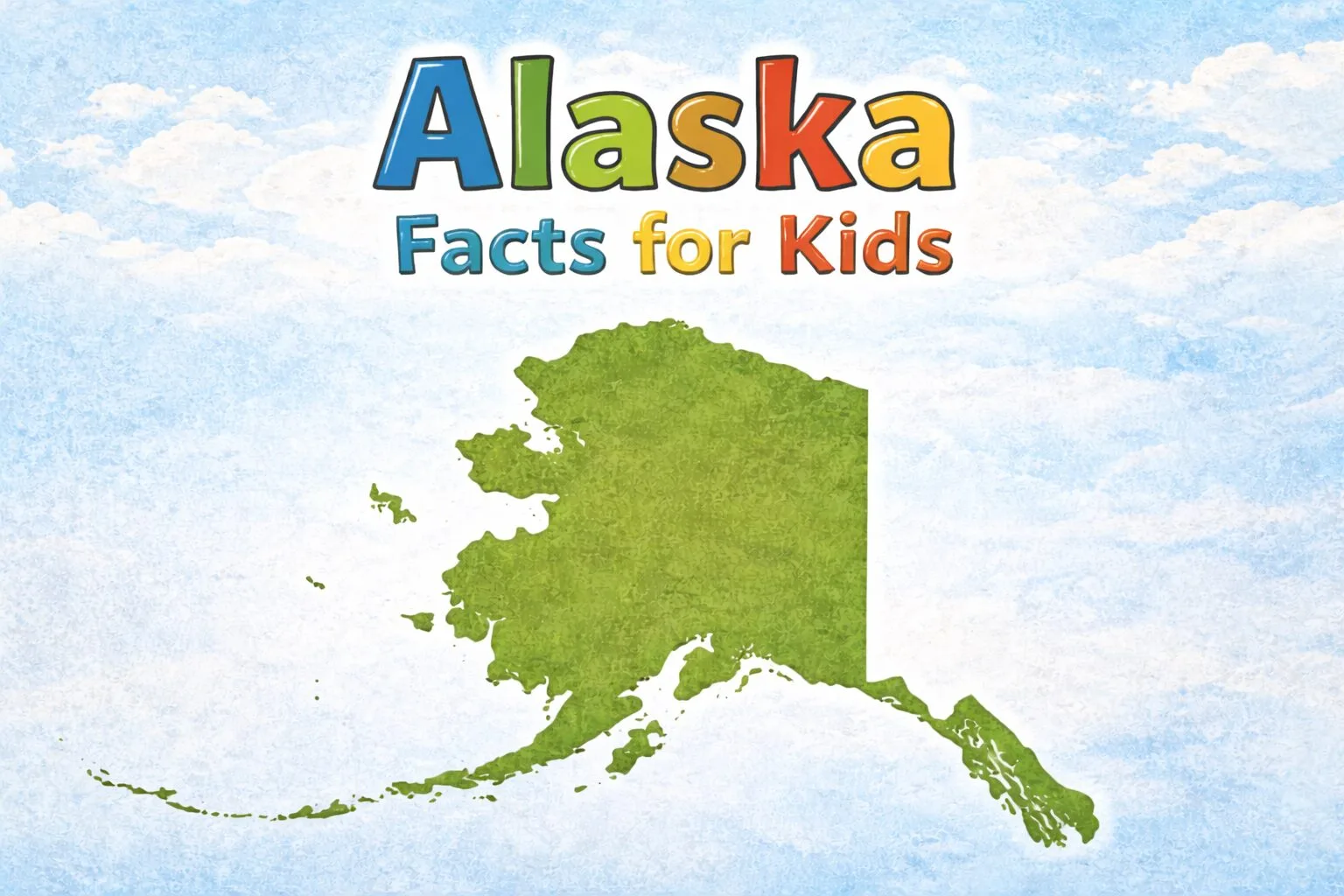
Alaska Facts for Kids – Alaska Information
If you can’t, then let us introduce a place called “Alaska”, where the Northern Lights dance in the winter sky. Alaska is…
4th of July Facts for Kids – Independence Day Made Fun & Easy
Can you imagine yourself in 1776, hearing bells ringing as people read the Declaration of Independence out loud for the very first…
Air Force Facts for Kids – Cool Things to Know About Pilots and Planes
Imagine fighter jets flying high above you, these jets can fly faster than the speed of sound! While cargo planes are big…
Memorial Day Facts for Kids – Honoring America’s Heroes
Keep reading to read about the importance of memorial day, why we celebrate it and some facts about memorial day for kids.…
When Was Zero Created For Kids
The concept of zero means the absence of a quantity. Now try to imagine playing a video game or trying to solve…

Aboriginal Australians Facts for Kids
Aboriginal Australians are various indigenous peoples found in the continent of Australia. They have lived in Australia for more than 65,000 years…
Equestrian Olympics Facts for Kids
The Equestrian Olympics is a category in the Olympics that is held once every 4 years. The equestrian Olympics involves a rider…
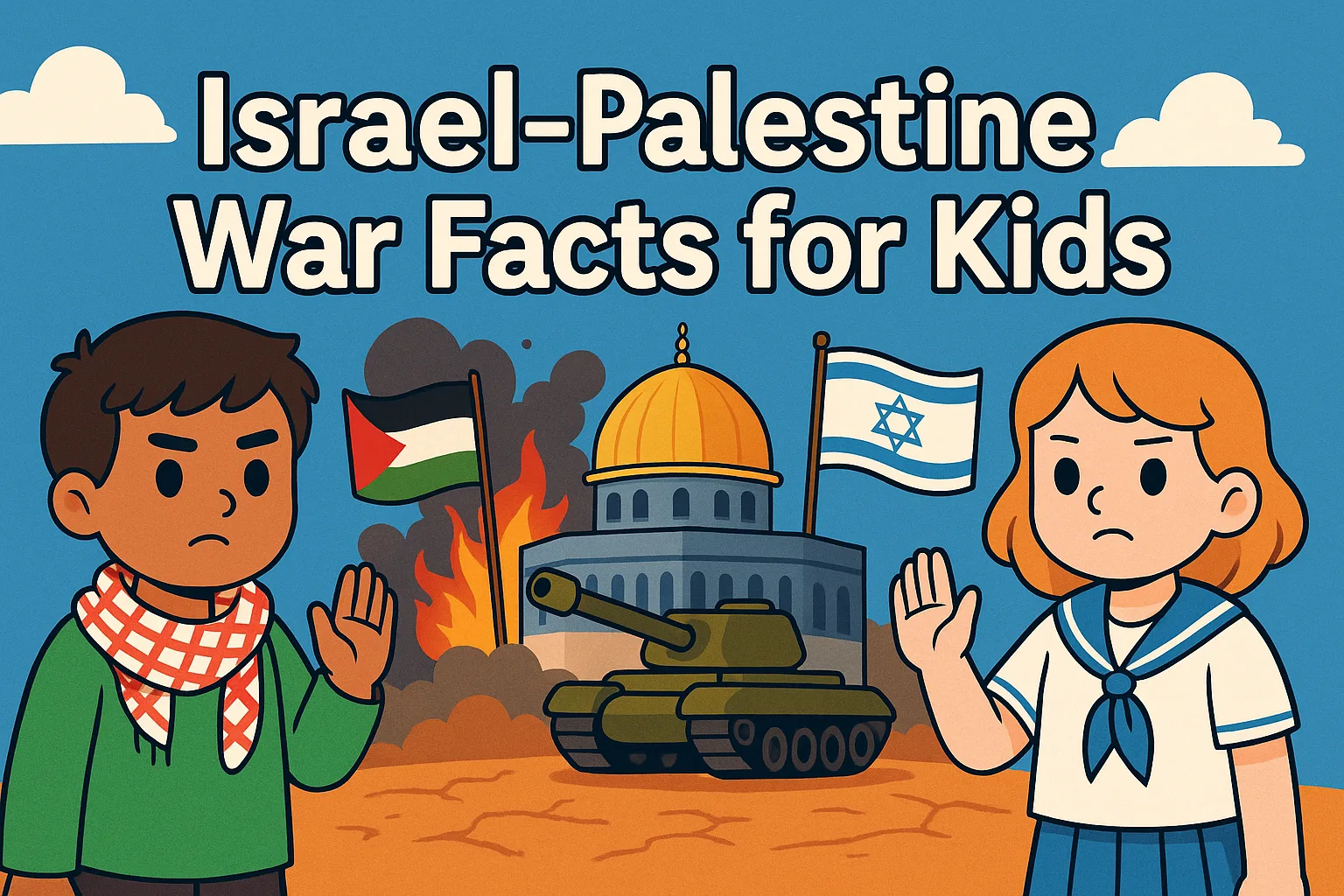
Israel‑Palestine War Facts for Kids
The Israel-Palestine conflict is a long, ongoing conflict that began many years ago. This article will try to teach children about the…
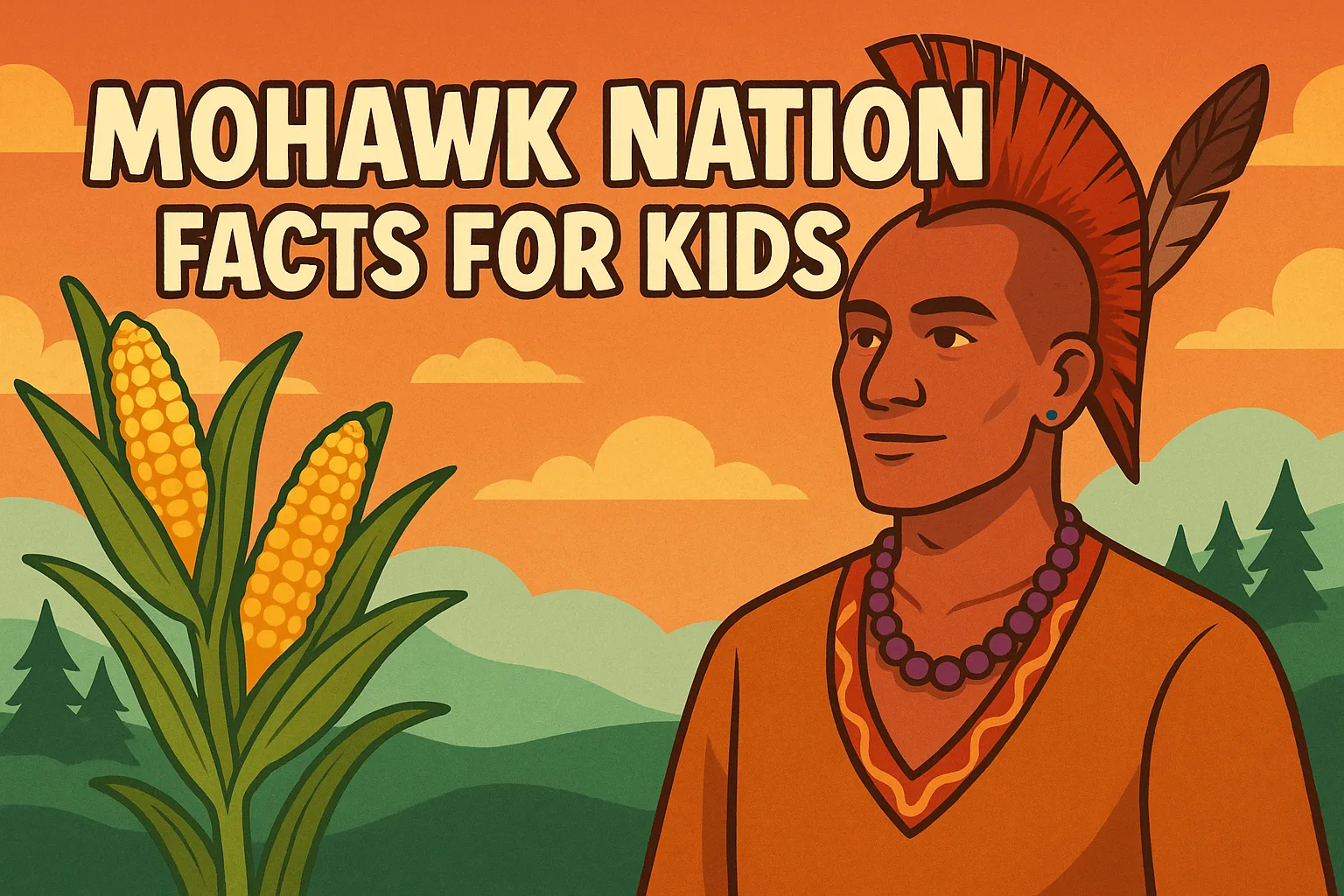
Mohawk Nation Facts for Kids
The Mohawk nation is an indigenous nation from North America . Mohawk also known as the “ Kanyen’kehà:ka ” in the native…
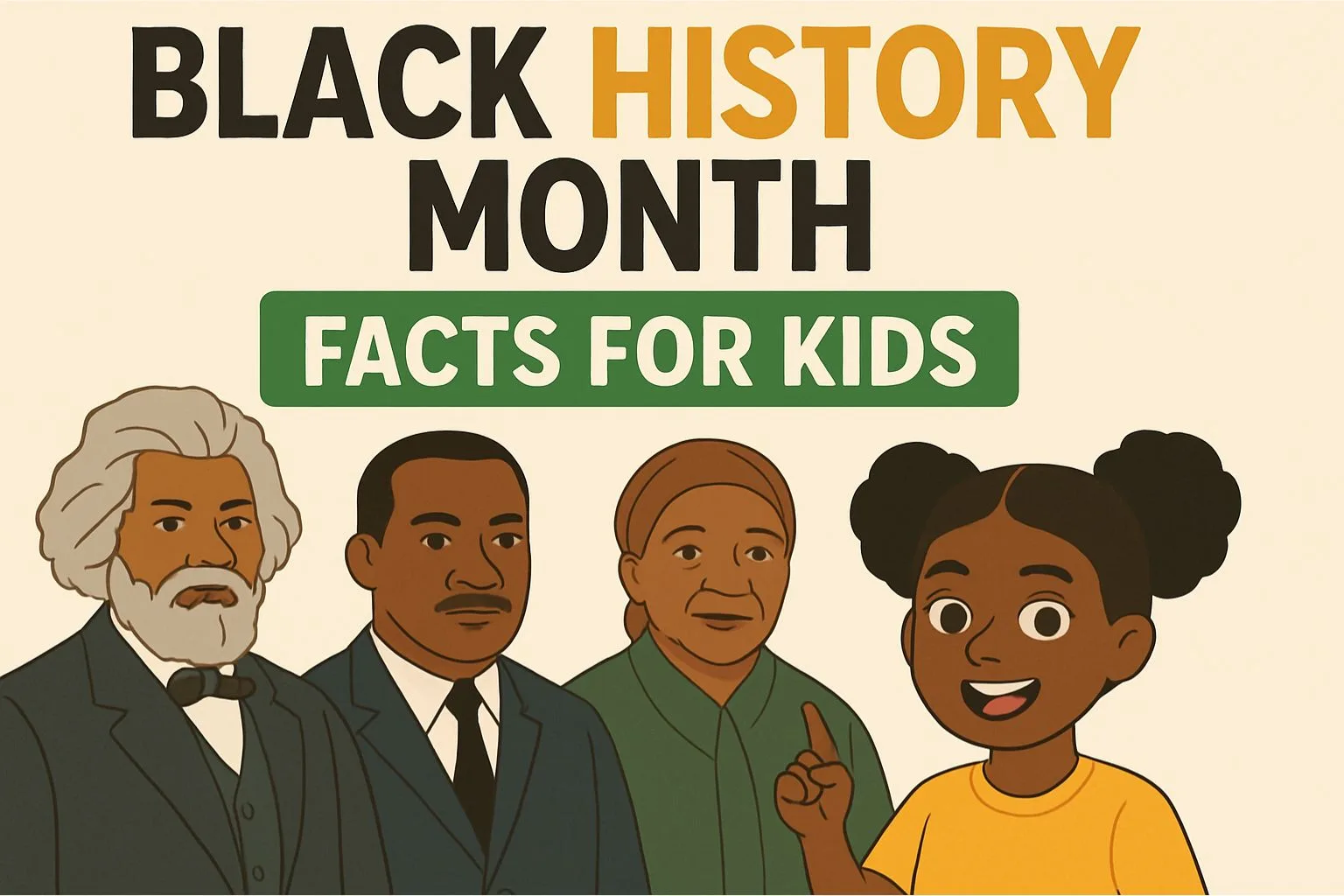
Black History Month Facts for Kids
Every year in February black history month is celebrated, it marks the achievements and contributions of African Americans to the United States.…
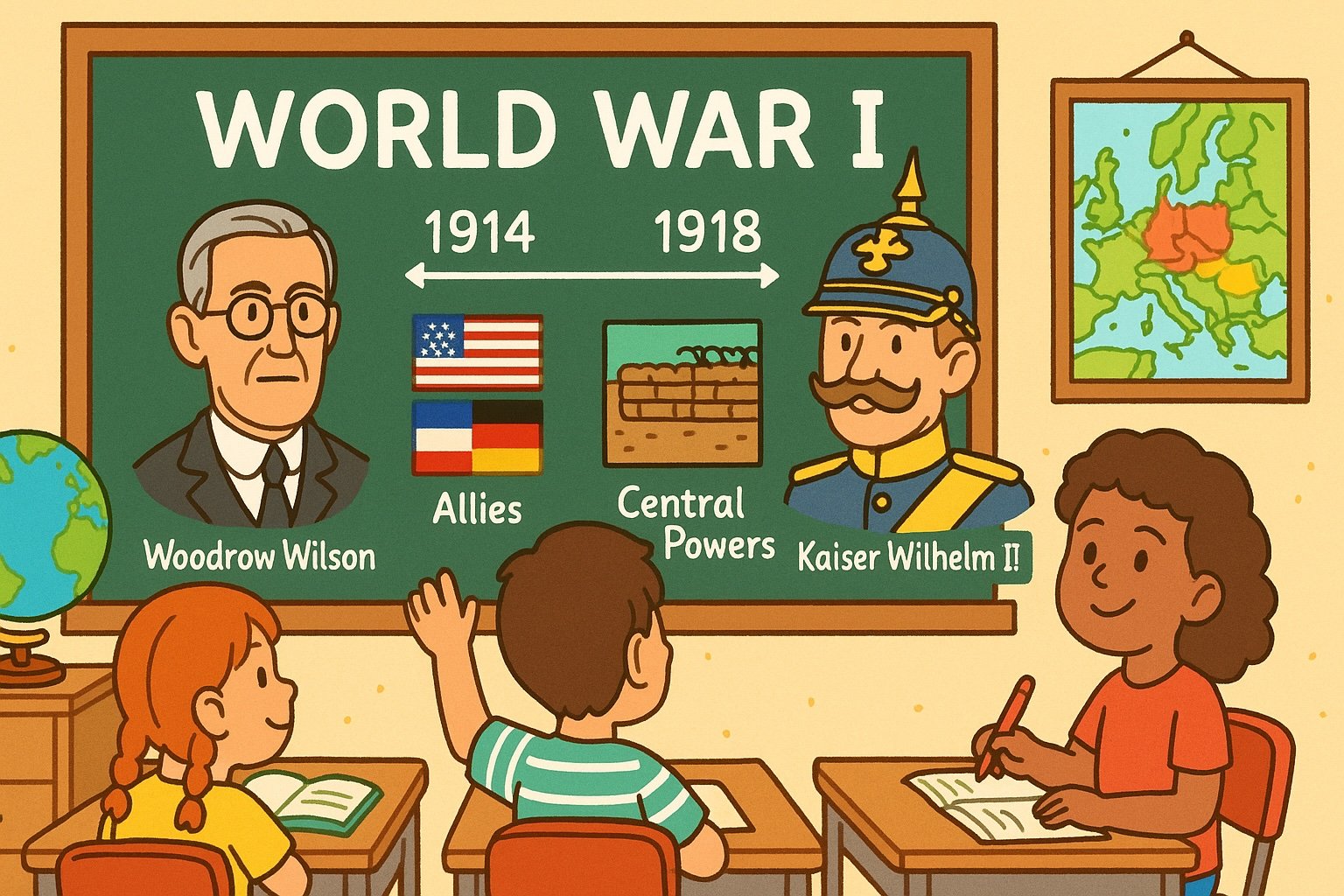
World War I Facts for 5th Graders – Learning Made Fun
World War I, also called The Great War , was one of the largest wars in history. It lasted from 1914 to…
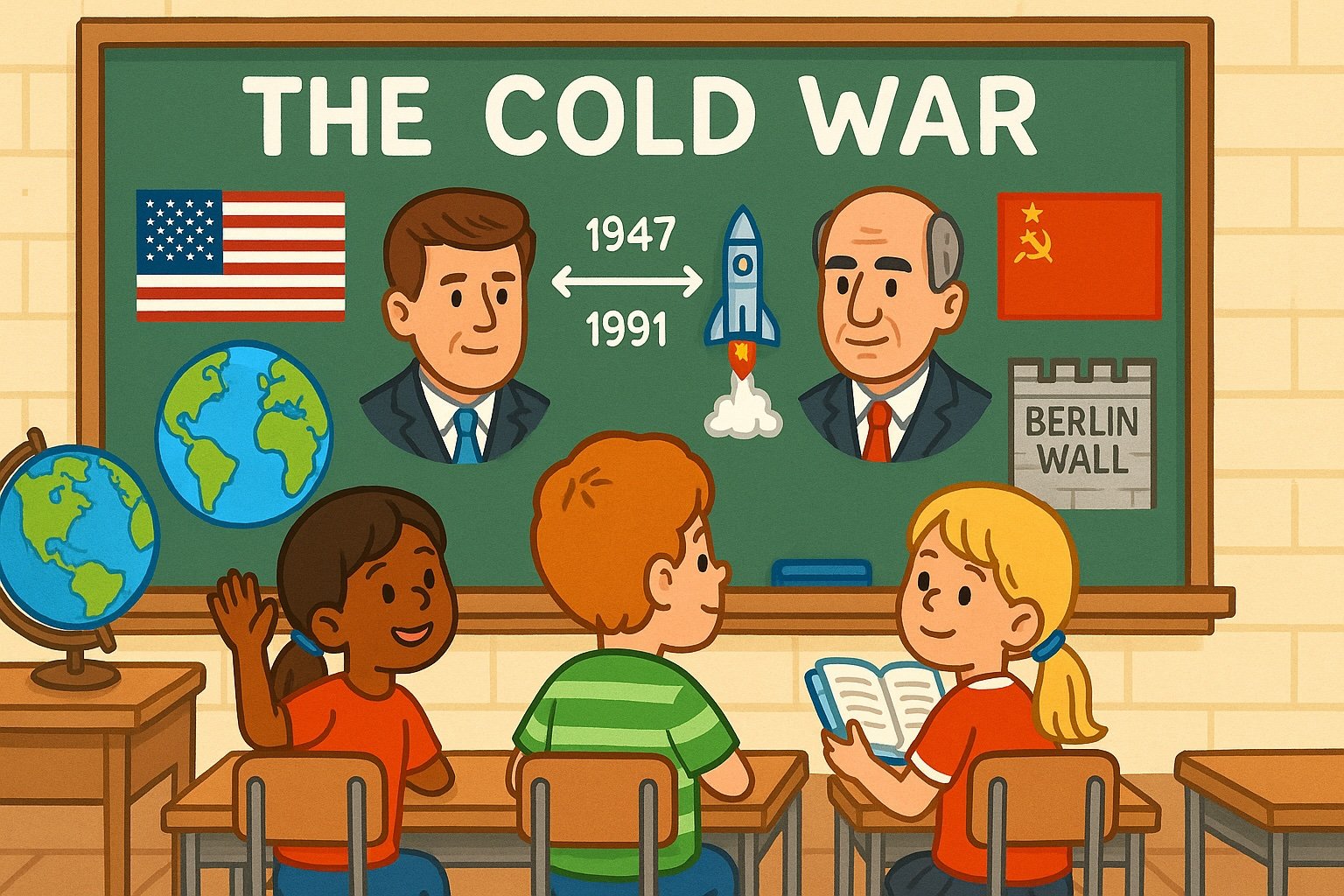
The Cold War Facts for 5th Graders – Learning Made Fun
The Cold War was not a shooting war like World War II — it was a long period of tension and competition…
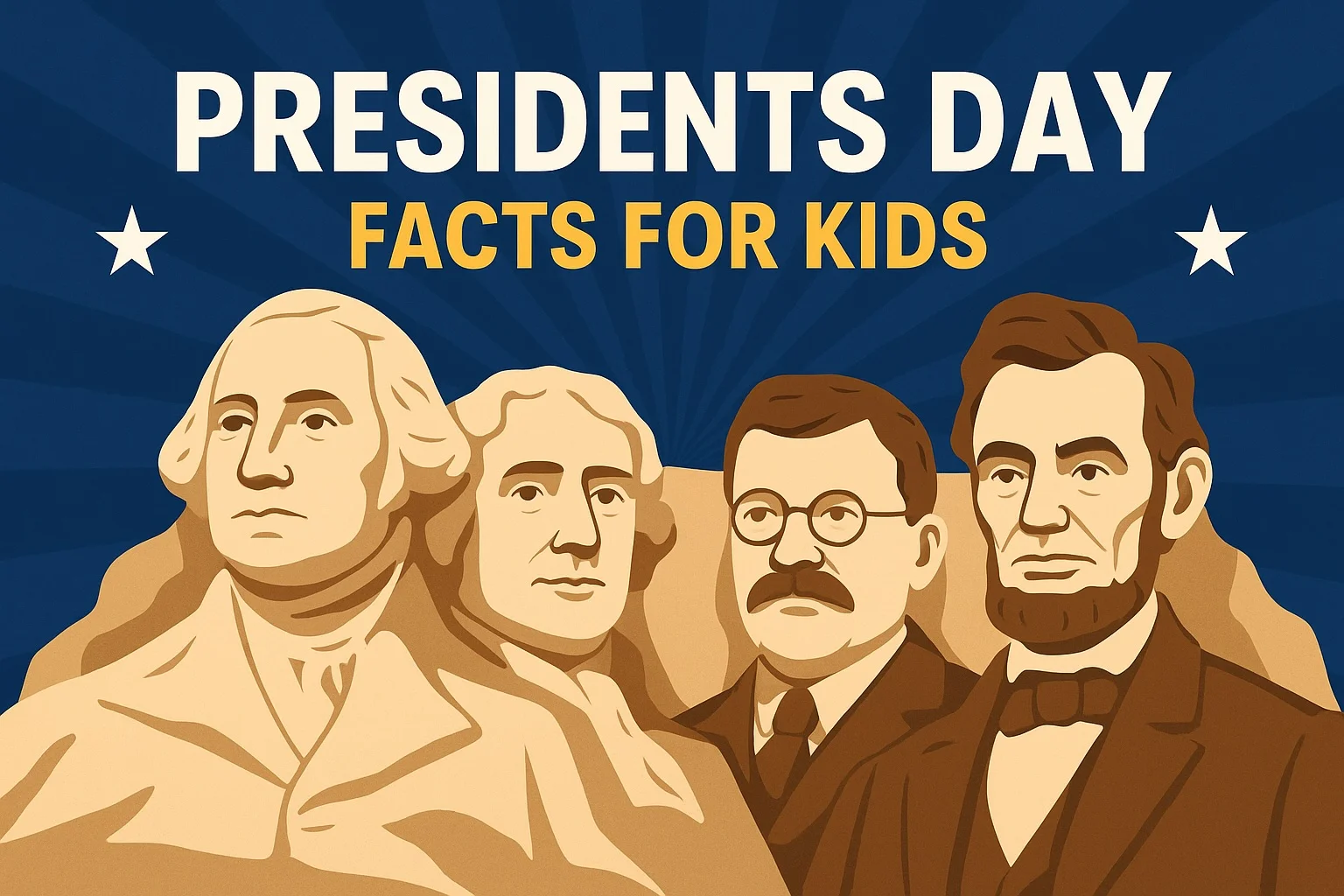
Presidents Day Facts for Kids (2026 Edition) – Why We Celebrate U.S. Presidents
Presidents Day for kids is a fun and educational way to explore American history , learn about U. Presidents , and understand…