animals of the Amazon rainforest quick facts
- The Amazon holds about one in 10 of all known species on Earth.
- The green anaconda is the heaviest snake in the world.
- An electric eel can make up to 800 volts of electricity.
- A harpy eagle’s back talons are bigger than a grizzly bear’s claws.
- Howler monkey calls can be heard 3 to 5 km away.
What animals live in the Amazon rainforest?
The Amazon rainforest is home to more kinds of animals than almost anywhere else on Earth. WWF says it holds about one in 10 of all the known species on the planet.
It is home to big cats, giant snakes, pink dolphins, colourful birds and tiny poisonous frogs. Britannica says the Amazon contains several million species of insects, plants, birds and other living things, and many have still not been recorded by scientists.
New animals are still being found. WWF UK says a new species of animal or plant is discovered in the Amazon every other day, on average.
| Amazon wildlife at a glance | |
|---|---|
| Share of Earth’s known species | about 1 in 10 |
| Plant species | nearly 50,000 |
| Freshwater fish species | about 2,400 |
| Reptile species | about 370 |
| New species found | about one every other day |
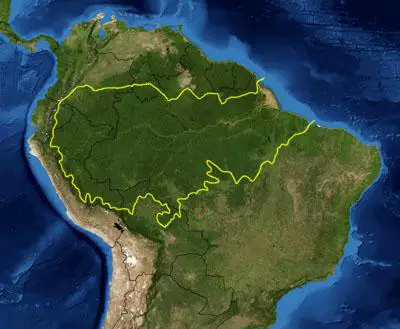
| Countries | Brazil, Bolivia, Peru, Ecuador, Colombia, Venezuela, Guyana, Suriname and French Guiana |
Hidden in plain sight

Many Amazon animals are hard to spot, even when they are right in front of you. They use camouflage, which means their colours and shapes help them blend in with their surroundings.
Some insects look just like leaves or twigs. Some frogs are the same colour as the forest floor. This helps them hide from predators, or sneak up on their own prey.
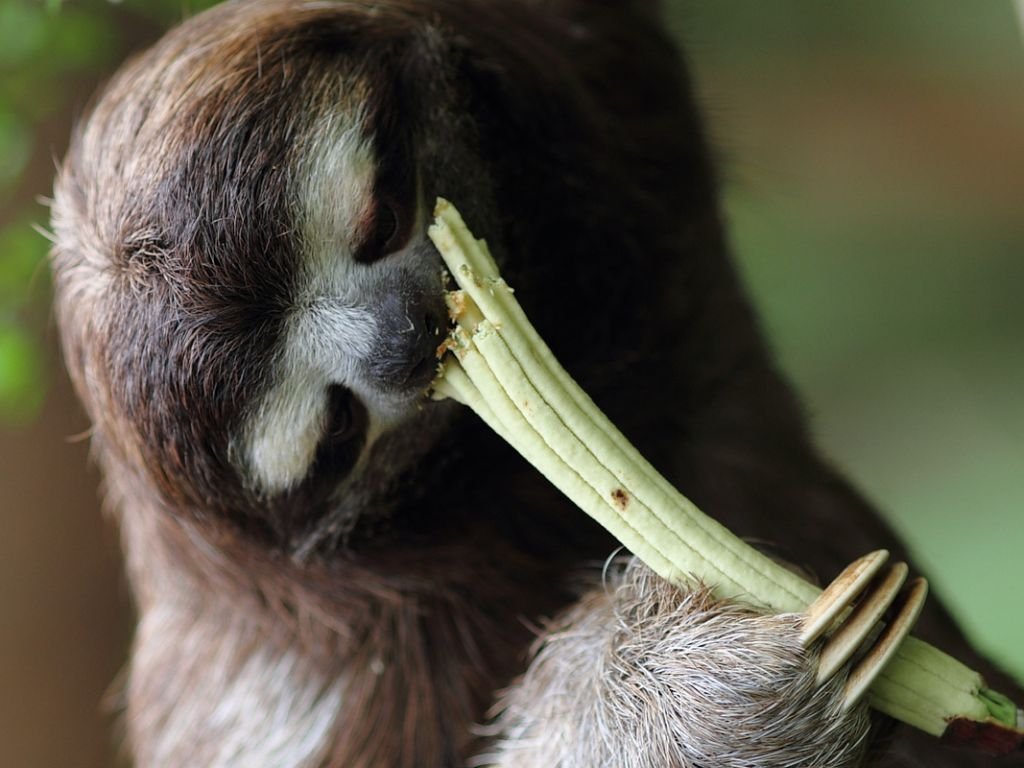
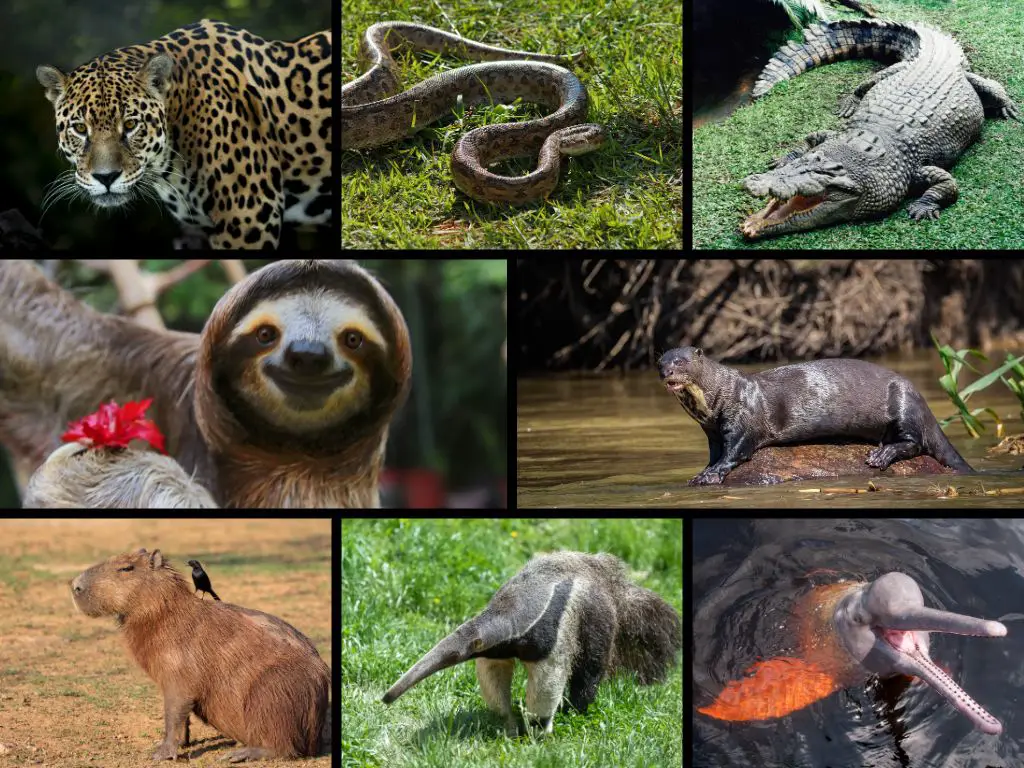
Sloths are masters of hiding. San Diego Zoo Wildlife Alliance says tiny green algae grow in their fur, giving them a greenish tinge that helps them blend in with the leaves. Find out more in our sloth facts.
WWF says tree-living animals in the Amazon include southern two-toed sloths, pygmy marmosets, tamarins and Goeldi’s monkeys.
Life in layers

The rainforest is like a building with several floors. Different animals live on different levels.
High up in the canopy, the leafy roof of the forest, live monkeys, sloths, toucans and macaws. Below that, in the shady understorey, live snakes, frogs and many insects.
On the dark forest floor live anteaters, tapirs and big cats. And in the rivers and flooded forests live fish, caimans, dolphins and manatees. The Amazon River itself is full of life, as our Amazon River facts explain.
Jaguar
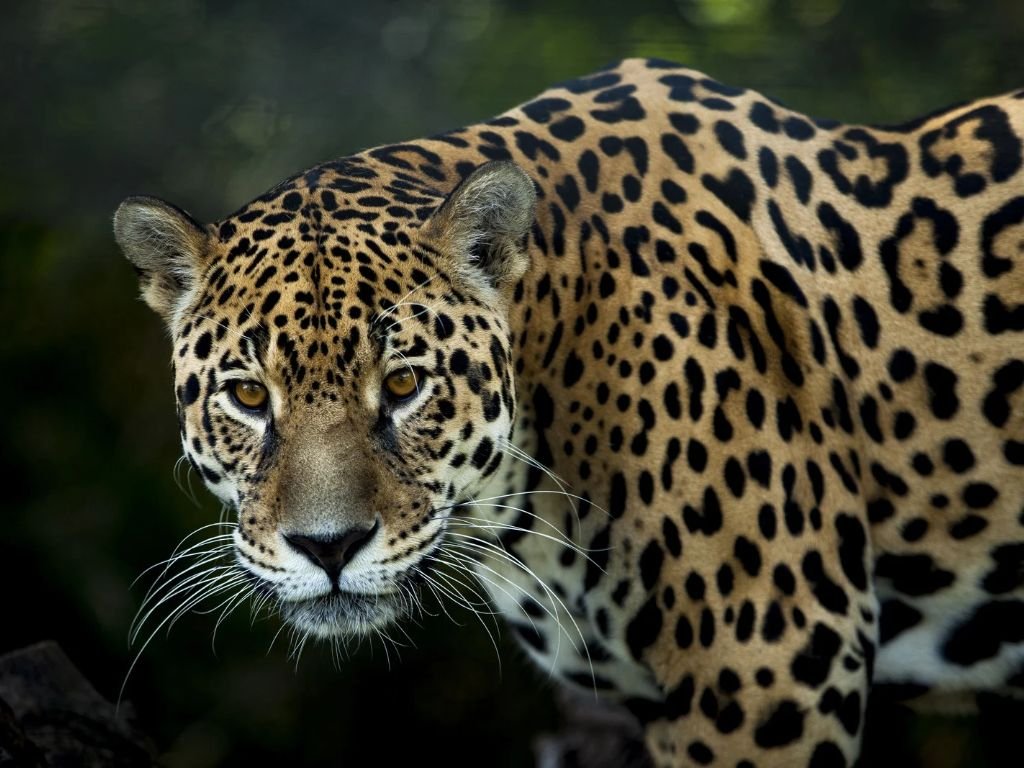
The jaguar is the biggest cat in the Amazon. San Diego Zoo Wildlife Alliance says jaguars are 1.1 to 1.8 m (3.8 to 6 feet) long and weigh 31 to 121 kg (70 to 249 pounds).
Unlike most cats, jaguars love water. San Diego Zoo Wildlife Alliance says they are completely at home in the water and are seldom far from a river or lake.
Jaguars have extremely powerful jaws. They can kill prey by biting straight through its skull, and they can crack open the hard shells of turtles. San Diego Zoo Wildlife Alliance says they hunt more than 85 kinds of animal, including caimans, peccaries and capybaras. Read more in our jaguar facts.
Green anaconda
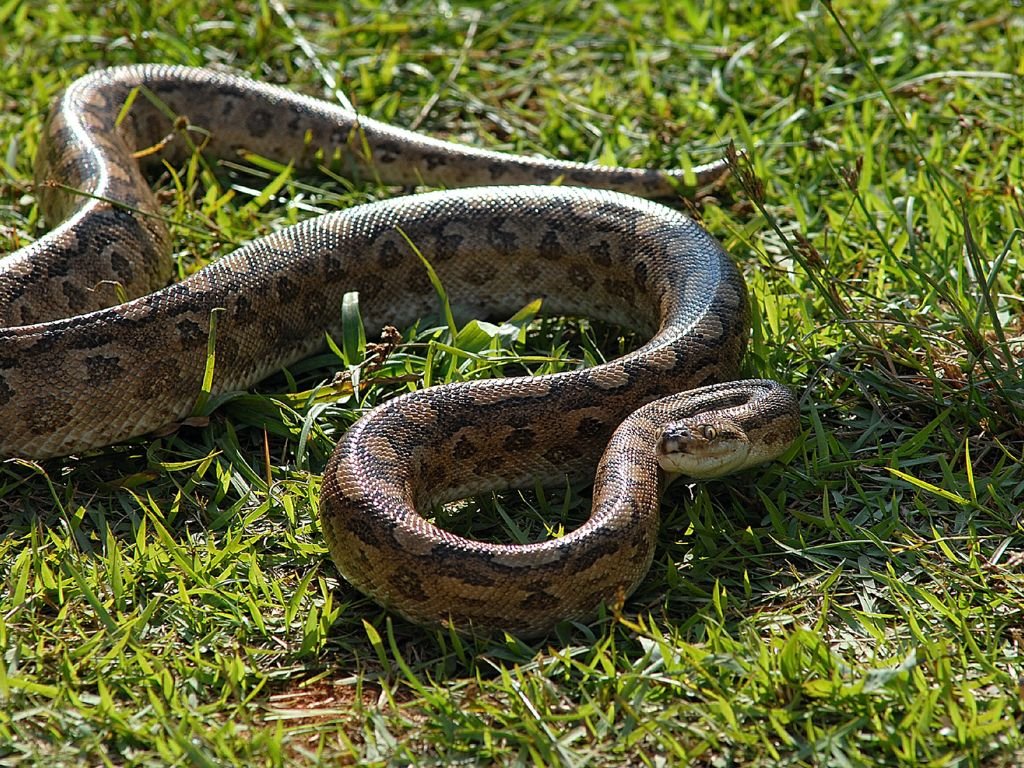
The green anaconda is the heaviest snake in the world. San Diego Zoo Wildlife Alliance says it can grow up to 9 m (30 feet) long and weigh up to 227 kg (550 pounds).
Anacondas live in rivers and swamps. San Diego Zoo Wildlife Alliance says their eyes and nostrils are on top of their heads, so they can lie almost hidden in the water while they watch for prey.
An anaconda kills its prey by wrapping its body around it and squeezing. It eats wild pigs, deer, birds, turtles, capybaras, caimans and even jaguars. Meet it in our anaconda facts.
Piranhas
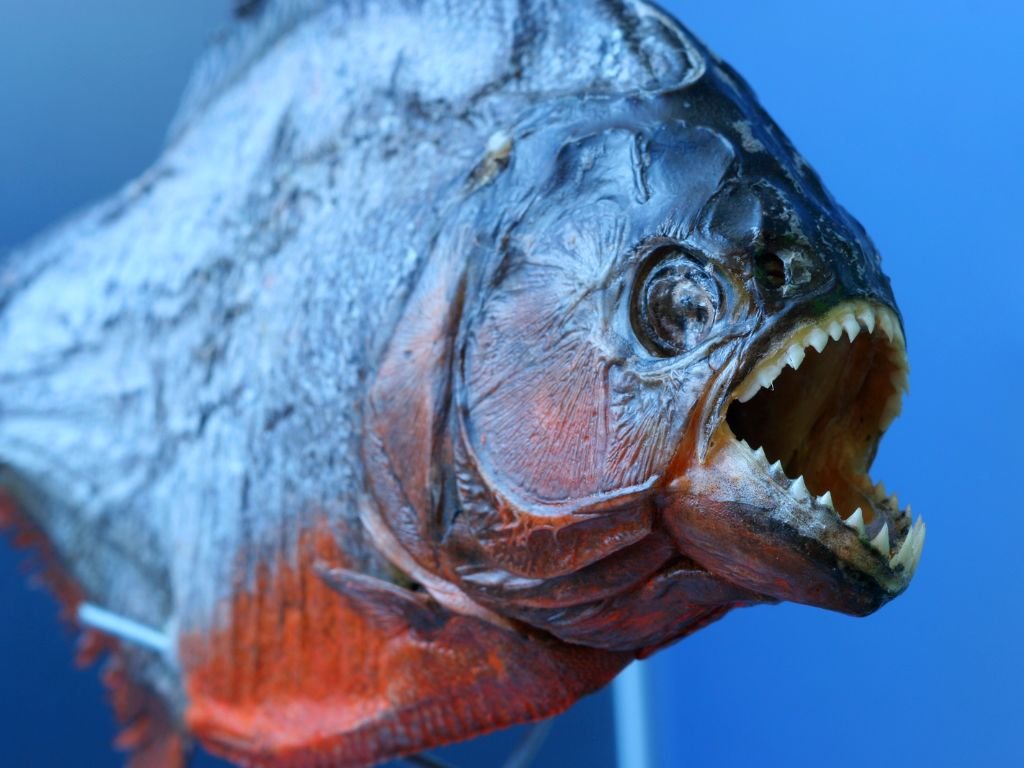
Piranhas are among the Amazon’s most famous fish. WWF lists them among the Amazon’s roughly 2,400 kinds of freshwater fish, along with eels and the giant pirarucu.
Piranhas have a scary reputation because of their sharp, triangular teeth. But most of the time, they eat other fish, insects and bits of plants, and they rarely harm people.
Electric eel
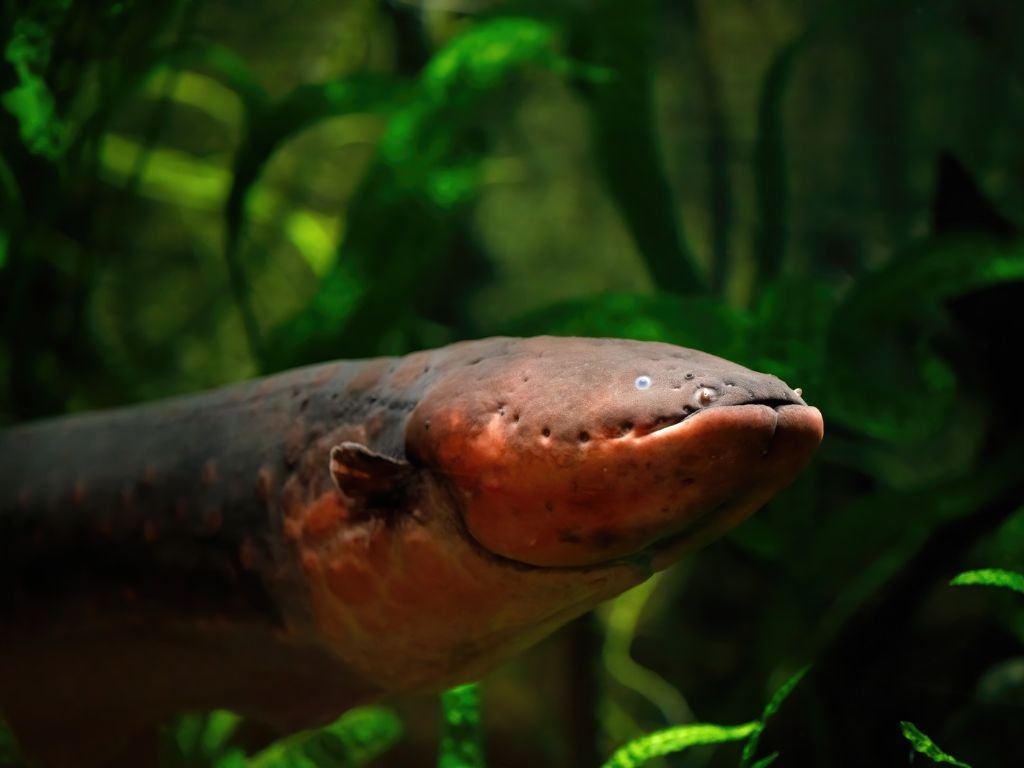
The electric eel is not really an eel at all. The Smithsonian’s National Zoo says it is more closely related to catfish and carp.
It can grow 2 to 2.5 m (6 to 8 feet) long, and it makes its own electricity. The National Zoo says it can produce up to 800 volts, and its three electric organs make up about 80% of its body.
When it hunts, an electric eel sends out as many as 400 pulses of electricity every second, stunning the fish it eats. It also has to swim up to the surface regularly to breathe air.
Black caiman
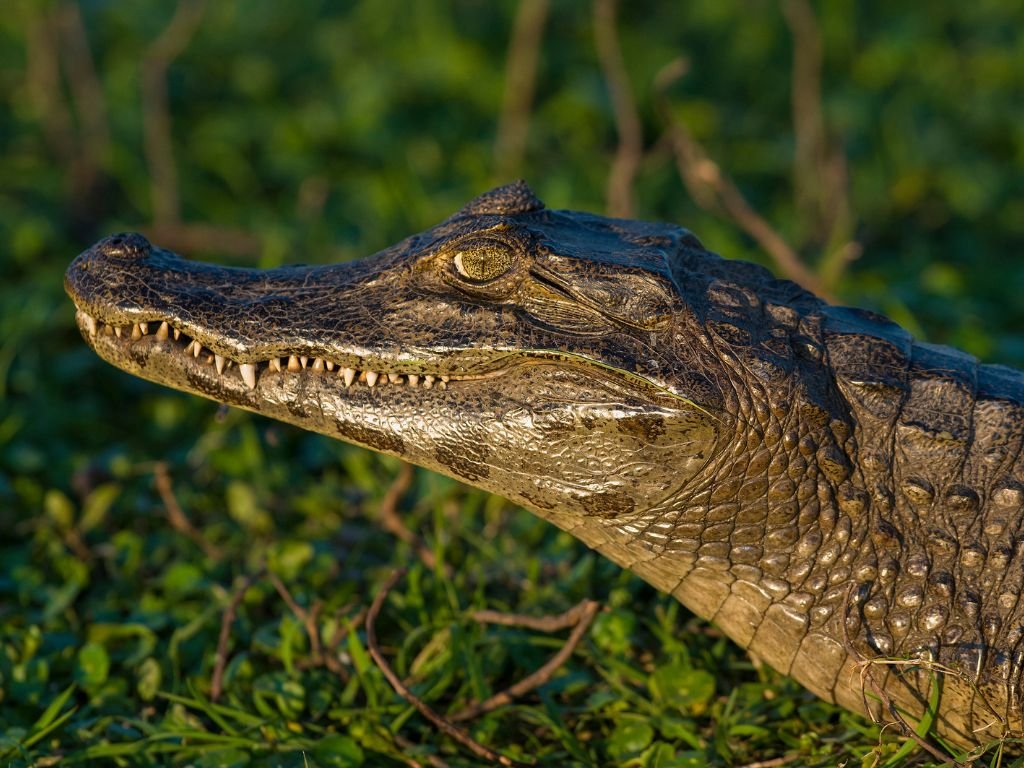
The black caiman is a relative of crocodiles and alligators. Britannica says it is the biggest predator in the Amazon River basin.
Most adults are 4 to 5 m (13 to 16 feet) long and weigh about 350 kg (770 pounds). Britannica says they have 72 to 76 teeth in their powerful jaws.
Black caimans hunt at night, catching fish, capybaras, deer and snakes. Adults have few enemies, but Britannica says anacondas and jaguars sometimes eat young ones.
Giant anteater
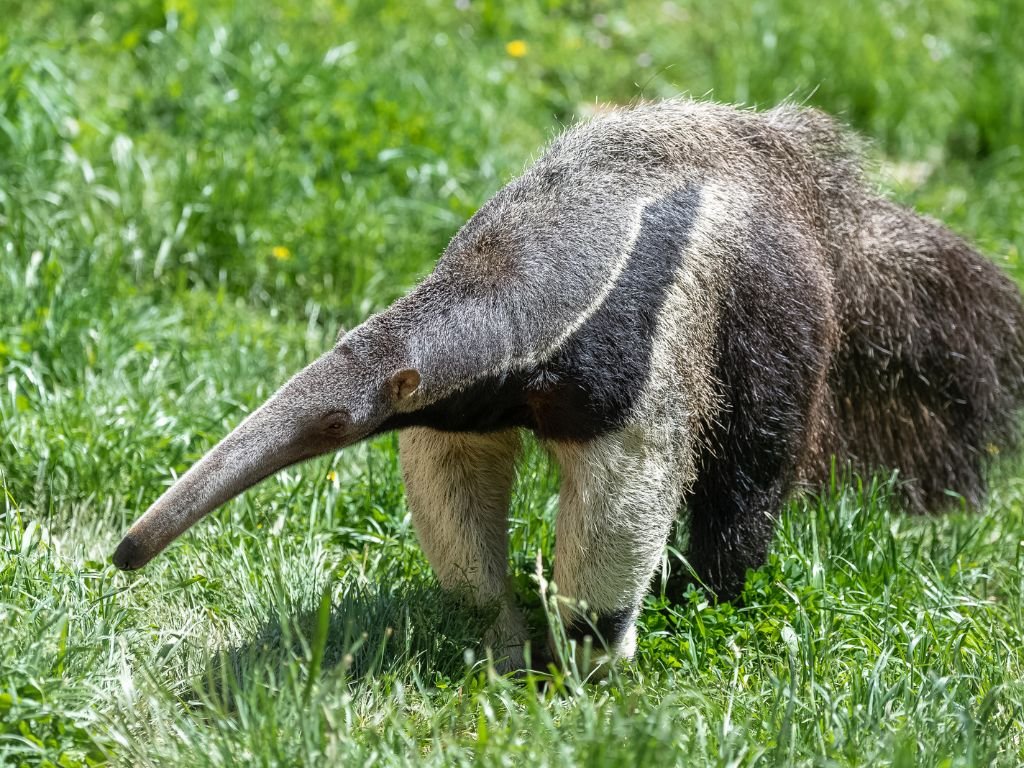
The giant anteater has a long snout and an even longer tongue. The National Zoo says its tongue is about 60 cm (2 feet) long, and it can flick in and out up to 150 times a minute.
Giant anteaters are 1.8 to 2.4 m (6 to 8 feet) long, including their bushy tail. They use their strong claws to rip open ant and termite nests.
They are careful eaters. The National Zoo says a giant anteater eats only about 140 insects from each nest before moving on, so the colony can survive. A baby anteater rides on its mother’s back for up to a year.
Capybara
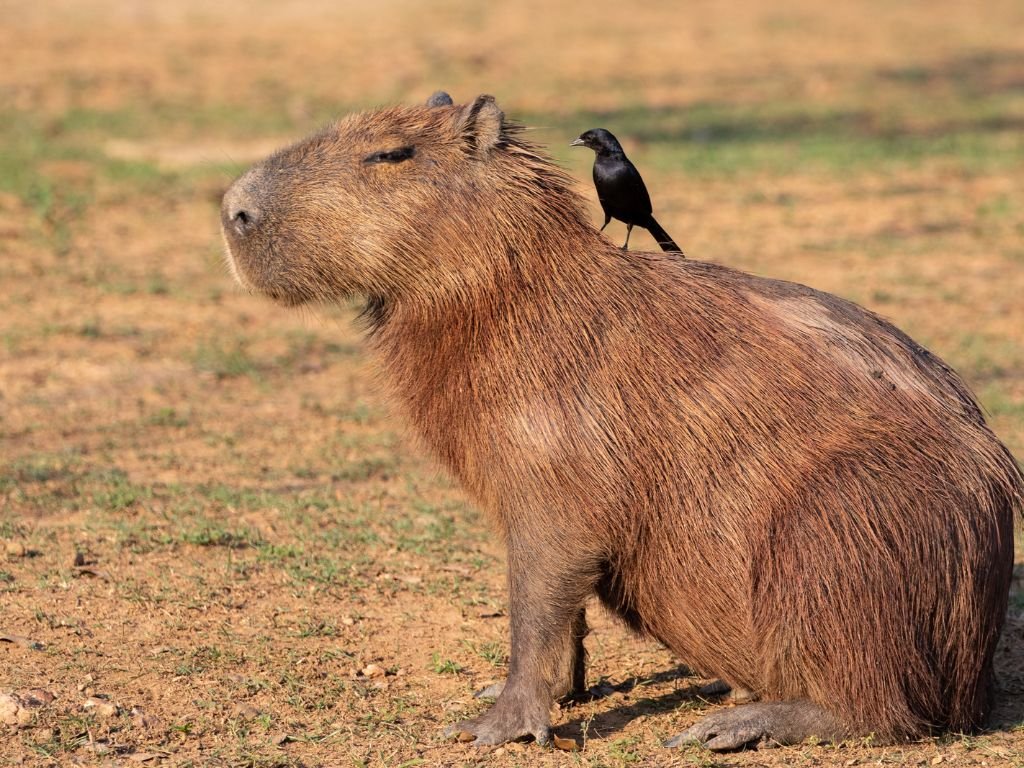
The capybara is the world’s largest rodent, a relative of guinea pigs. Britannica lists capybaras among the major wildlife of the Amazon rainforest.
Capybaras live near water and are good swimmers. They are an important food for many Amazon predators, including jaguars, anacondas and black caimans. Learn more in our capybara facts.
Harpy eagle
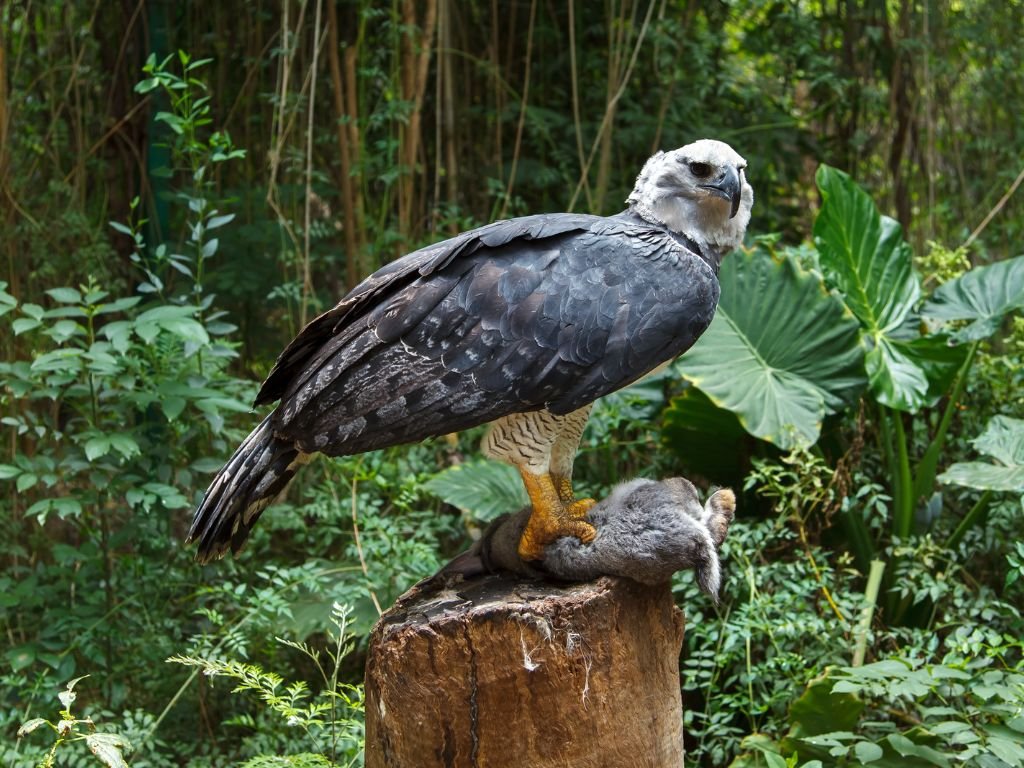
The harpy eagle is one of the most powerful birds of prey in the world. San Diego Zoo Wildlife Alliance says its wings can stretch up to 2 m (6.5 feet) across.
Its back talons are 13 cm (5 inches) long, bigger than a grizzly bear’s claws. San Diego Zoo Wildlife Alliance says it can snatch monkeys and sloths weighing up to 7.7 kg (17 pounds) from the treetops.
Harpy eagles build huge nests, about 1.5 m (5 feet) across. They raise a chick only every two to three years. WWF calls the Amazon one of the last refuges for harpy eagles.
Amazon river dolphin

The Amazon river dolphin is also known as the boto, or pink river dolphin. WWF says it lives throughout much of the Amazon basin and the nearby Orinoco River basin in Colombia and Venezuela.
It swims through flooded forests in the rainy season, weaving between tree trunks to catch fish. Discover more in our pink river dolphin facts.
Scarlet macaw
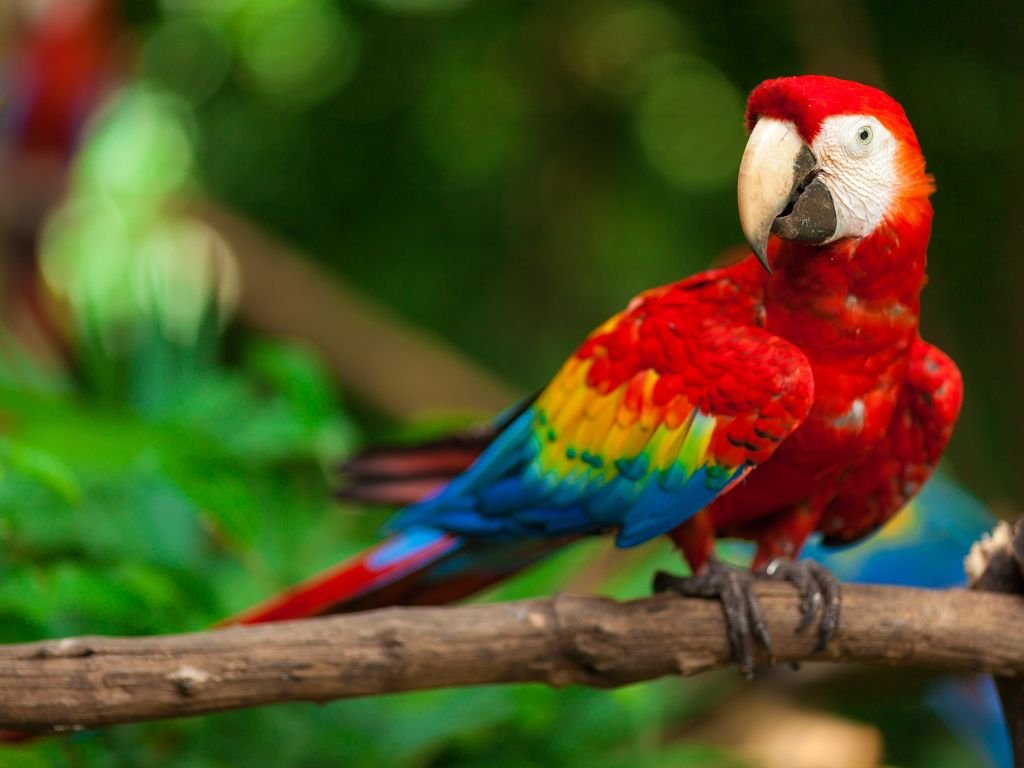
Macaws are large, brightly coloured parrots. WWF says they are highly intelligent, mate for life, and can live up to 60 years.
San Diego Zoo Wildlife Alliance says a macaw’s beak is so strong that it can crush a whole Brazil nut. Macaws may fly up to 24 km (15 miles) a day to find food.
They also eat clay from riverbanks. San Diego Zoo Wildlife Alliance says scientists think the clay helps protect them from harmful chemicals in some of the seeds they eat.
Toucans
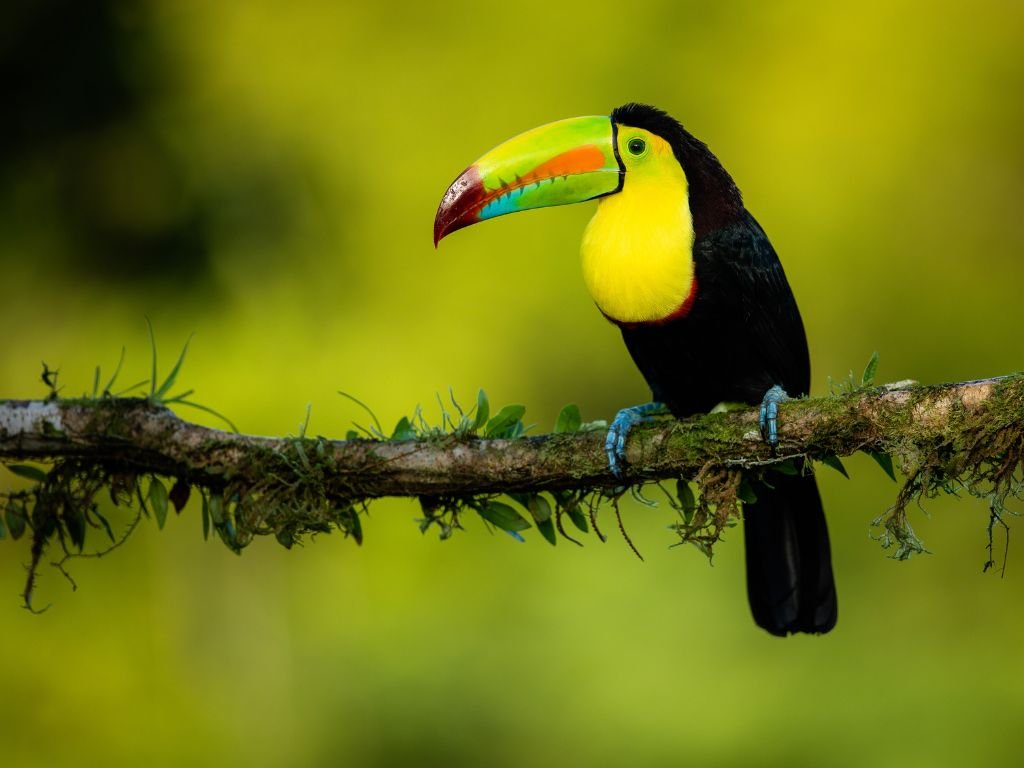
Toucans are famous for their huge, colourful bills. San Diego Zoo Wildlife Alliance says a toucan’s bill can be four times the size of its head and nearly as long as its body.
Surprisingly, the bill is very light. It is made of keratin, the same material as your fingernails, and it is hollow inside, with thin supports like struts.
Toucans mostly eat fruit, but they also eat insects, tree frogs, lizards and eggs. They nest in holes in trees. There are 34 kinds of toucan.
Poison dart frogs
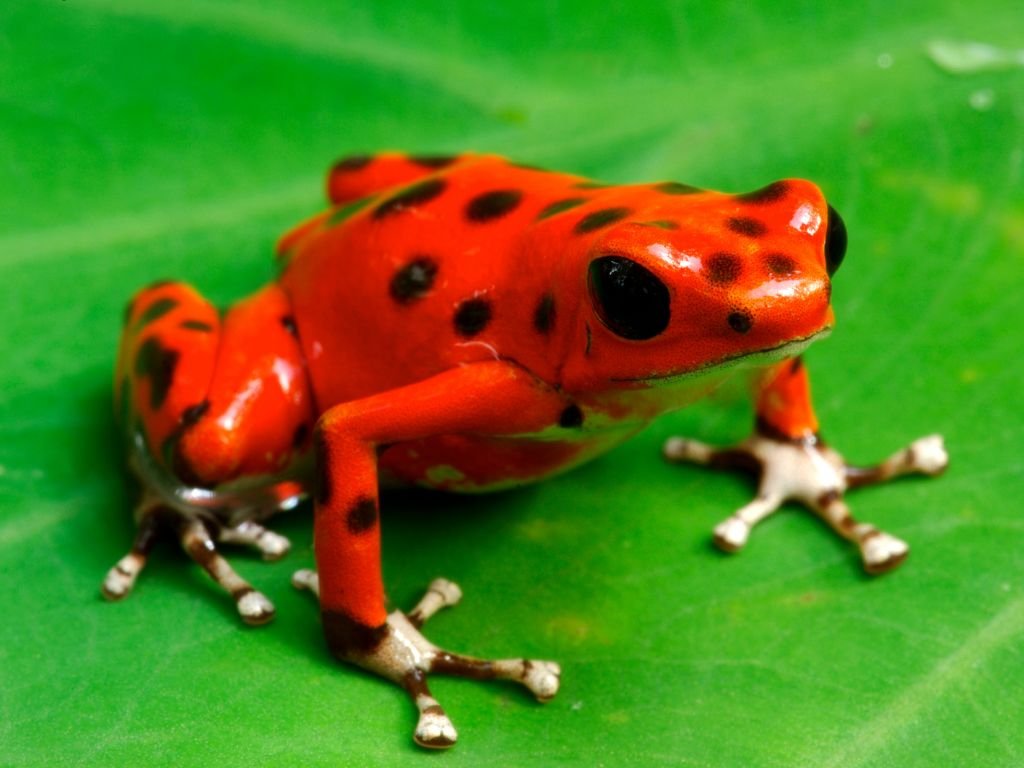
Poison dart frogs are tiny but dangerous. San Diego Zoo Wildlife Alliance says they are only 1 to 6 cm (0.4 to 2.4 inches) long.
Their bright colours are a warning to predators: do not eat me. Their poison comes from the ants, termites, centipedes and tiny beetles they eat in the wild.
Some poison frog parents carry their tadpoles on their backs to small pools of water. San Diego Zoo Wildlife Alliance says there are about 220 kinds of poison frog.
Amazonian manatee
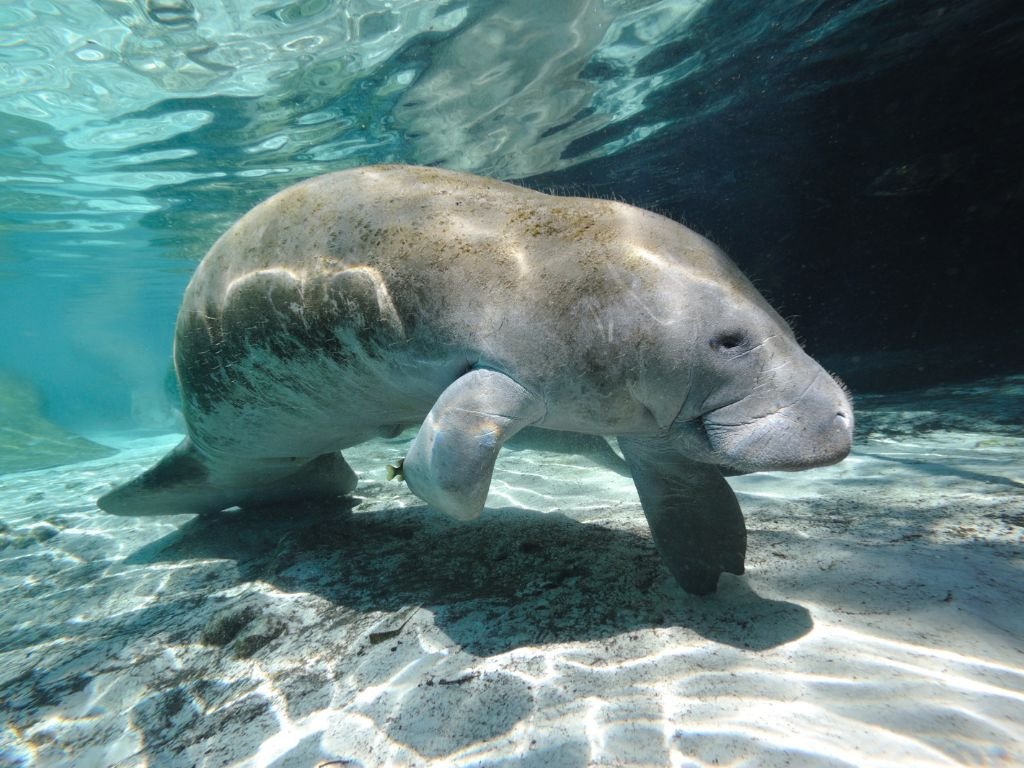
The Amazonian manatee is a large, gentle, plant-eating mammal. Britannica says it lives only in fresh water, in the Amazon River and the forests that flood beside it.
It is smaller than other manatees, reaching 2.8 m (9.2 feet) long and 480 kg (1,056 pounds). Britannica says it is dark grey, often with a white patch on its chest, and has no nails on its flippers.
Tapir
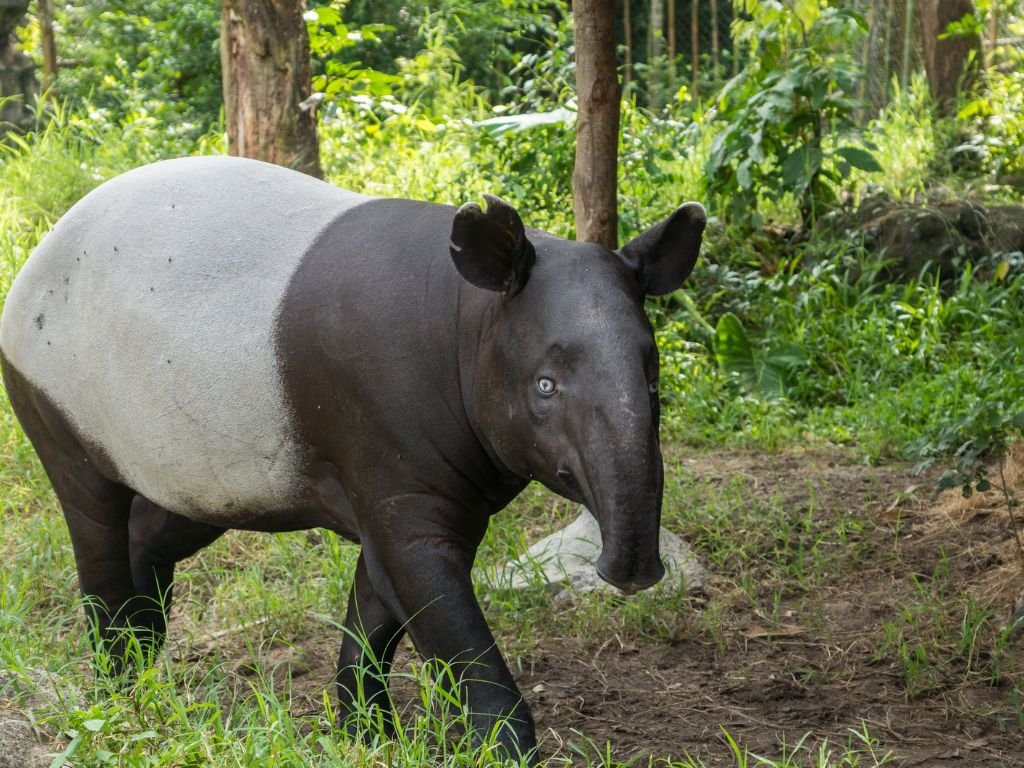
Tapirs are large, plant-eating mammals with a short, bendy snout. San Diego Zoo Wildlife Alliance says a tapir can use its snout like a snorkel when it swims.
Tapirs eat about 34 kg (75 pounds) of food a day. In one study in Peru, San Diego Zoo Wildlife Alliance says scientists found 122 kinds of seeds in the droppings of lowland tapirs. By spreading seeds, tapirs help new trees to grow.
Baby tapirs are covered in brown and cream stripes and spots, a bit like a watermelon. This helps them hide in the dappled light of the forest floor.
Red howler monkey
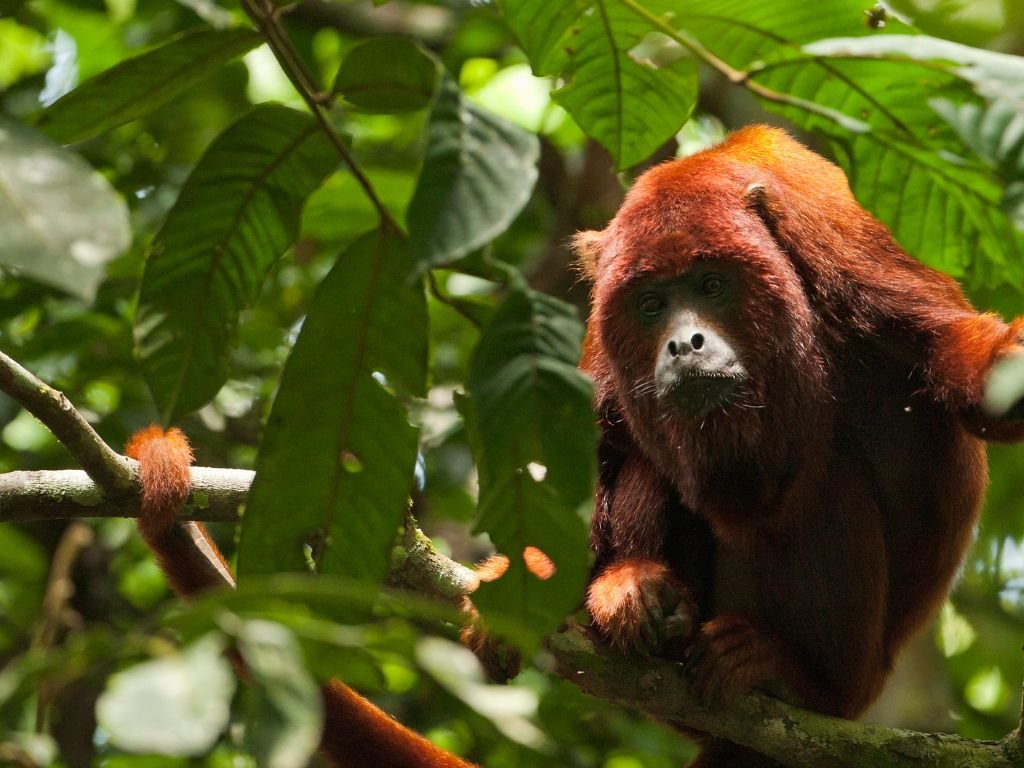
Howler monkeys are the loudest animals in the forest. Britannica says their calls can be heard 3 to 5 km (2 to 3 miles) away, especially at dawn, at dusk and during rainstorms.
A special bone in the howler’s throat makes its voice echo like a drum. Britannica says groups of howlers have howling matches with their neighbours to mark the edges of their territories.
Howlers are the largest monkeys in the Americas. They live high in the treetops, rarely come down to the ground and eat mainly leaves. The Amazon is also home to the black spider monkey.
Amazon animals in danger
Many Amazon animals are under threat because their forest is disappearing. WWF says about 17% of the Amazon’s forest has been cut down, and about a third of what is left has been damaged.
WWF UK says an area of rainforest about the size of five football pitches is cut down every minute. When the forest goes, the animals that live there lose their homes and food.
Some animals are also hunted or caught for the pet trade. San Diego Zoo Wildlife Alliance says trapping for the pet trade is a major reason why macaw numbers are falling.
How people are helping
WWF works with local communities, other conservation groups, businesses and governments to stop forests being cut down.
Indigenous peoples play a big part too. WWF UK says more than 2 million Indigenous people, from more than 400 different groups, live in the Amazon. Many have looked after their forests for thousands of years.
Three things people get wrong
Electric eels are not true eels. They are more closely related to catfish.
Piranhas do not usually attack people. They mostly eat fish, insects and plants.
Scientists have not found every Amazon animal yet. A new species is discovered about every other day.
Did you know? A giant anteater’s tongue can flick in and out up to 150 times a minute.
Try it
Draw the rainforest as a building with floors: canopy, understorey, forest floor and river. Add each animal from this guide to the floor where it lives.
Knowledge check
What is the biggest predator in the Amazon River basin?
Show answer
The black caiman.
Where does a poison dart frog’s poison come from?
Show answer
From the ants, termites and other small creatures it eats.
Frequently asked questions
What animals live in the Amazon rainforest?
Jaguars, green anacondas, black caimans, electric eels, piranhas, pink river dolphins, harpy eagles, macaws, toucans, poison dart frogs, sloths, tapirs and howler monkeys all live there.
How many species live in the Amazon?
WWF says the Amazon holds about one in 10 known species on Earth, including nearly 50,000 plants and about 2,400 freshwater fish.
What is the biggest predator in the Amazon?
Britannica says the black caiman is the biggest predator in the Amazon River basin. Jaguars are the biggest predators on land.
What is the most dangerous animal in the Amazon?
Jaguars, black caimans and electric eels can all be dangerous, and poison dart frogs are toxic. Most animals avoid people if left alone.
Are there pink dolphins in the Amazon?
Yes. The Amazon river dolphin, or boto, is often pink. It lives throughout much of the Amazon and Orinoco river basins.
Why are Amazon animals in danger?
About 17% of the Amazon forest has been cut down. Animals lose their homes and food, and some are hunted or caught as pets.
Sources
- WWF: the Amazon — species share, plants, fish, reptiles, tree-living animals, river dolphins, macaws, harpy eagles and forest loss
- WWF UK: Amazon facts — new species discovered, forest loss per minute and Indigenous peoples
- San Diego Zoo Wildlife Alliance: animal profiles — the jaguar, green anaconda, harpy eagle, macaw, toucan, poison frog, tapir and two-toed sloth pages
- Smithsonian’s National Zoo: electric eel — electric eel size, voltage, organs and breathing; also its giant anteater page
- Encyclopaedia Britannica: black caiman — size, teeth, diet and predators
- Encyclopaedia Britannica: Amazon Rainforest — species richness and major wildlife; also its howler monkey and manatee articles