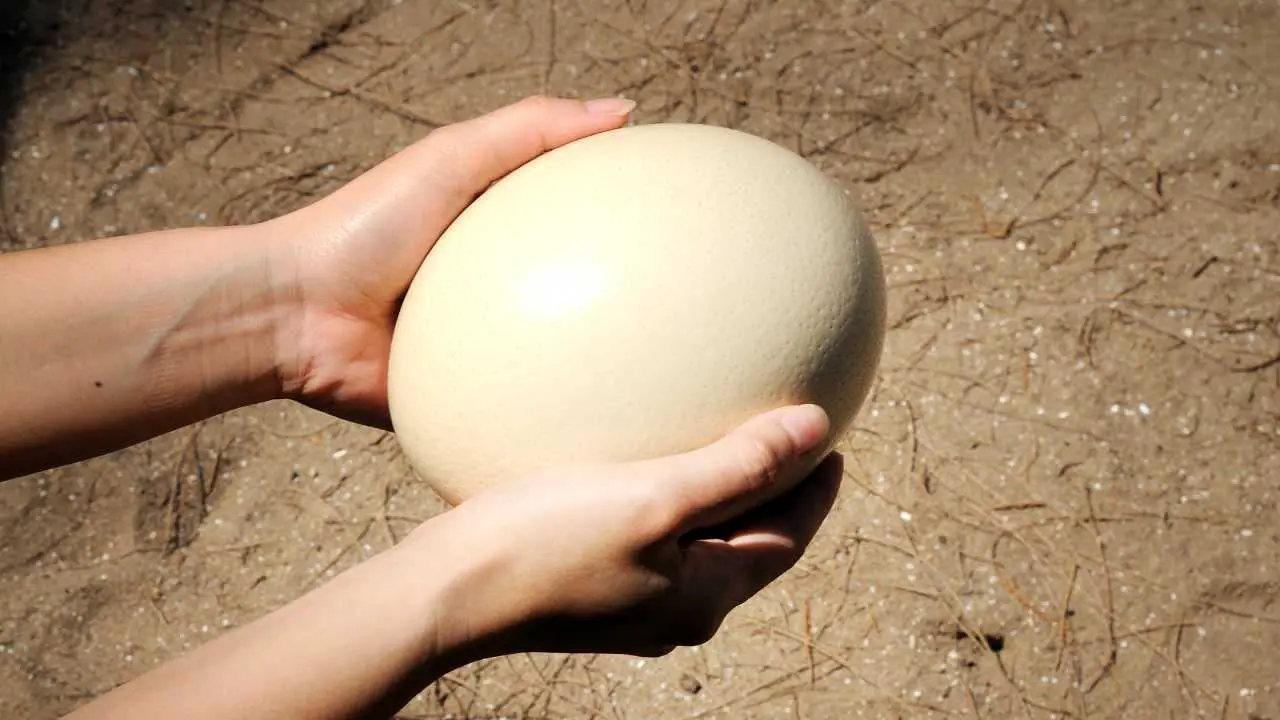
An ostrich egg is about 6 inches (15 cm) long and 5 inches (13 cm) across, and weighs about 3 pounds (1.5 kg). That is as heavy as about 24 chicken eggs, making it the biggest egg of any living bird. Only the extinct elephant birds of Madagascar laid bigger eggs.
ostrich eggs quick facts
- One ostrich egg weighs about as much as 24 chicken eggs.
- Ostrich eggs take 42 to 46 days to hatch.
- A shared ostrich nest can hold up to 60 eggs from different hens.
- A kiwi egg is about 15% of its mother’s weight; an ostrich egg is about 1.5%.
- Elephant bird eggs could be 34 cm long, more than twice the length of an ostrich egg.

How big is an ostrich egg?
An ostrich egg is the biggest egg laid by any living bird. On average it is about 6 inches (15 cm) long and 5 inches (13 cm) across. That is roughly the size of a small melon.
It weighs about 3 pounds, or 1,500 grams. That is about the same as 24 chicken eggs put together. You would need both hands to hold one.
The shell has to be tough. Adult ostriches, which can weigh 200 pounds or more, sit on their eggs for weeks without breaking them.
Different experts give slightly different figures. San Diego Zoo Wildlife Alliance says an ostrich egg weighs about 1,500 grams, while Encyclopaedia Britannica gives about 1.35 kg. Both agree it is about 15 cm long and the biggest egg of any living bird. Eggs vary in size, just as the hens that lay them do.
Britannica describes the eggs as shiny and whitish. A clutch of them lying in the sun is a hard sight to miss.
Ostrich egg vs chicken egg

An ostrich egg weighs about as much as 24 chicken eggs. So one ostrich egg would make an omelette big enough for a whole family, and then some.
You can use that number to work out how heavy a chicken egg is. Divide 1,500 grams by 24, and you get about 62 grams. That is just what a large chicken egg weighs.
| Egg | Typical size or weight | Worth knowing |
|---|---|---|
| Ostrich | about 1,500 g (3 lb), 15 cm long | the biggest egg of any living bird |
| Kiwi | about 450 g (1 lb) | about 15% of the mother’s weight |
| Chicken | about 60 g | about one twenty-fourth of an ostrich egg |
| Elephant bird (extinct) | up to 34 cm long | the largest eggs laid by any known animal |

The biggest bird
It makes sense that the biggest egg comes from the biggest bird alive. A male ostrich stands 6.9 to 9 feet (2.1 to 2.7 m) tall and weighs 220 to 287 pounds (100 to 130 kg).
Females are a little smaller. They stand 5.7 to 6.2 feet (1.7 to 1.9 m) tall and weigh 198 to 242 pounds (90 to 110 kg).
Ostriches cannot fly, but they can run. They can sprint at up to 43 miles per hour (70 km/h), and keep going at 31 miles per hour (50 km/h) for longer stretches. Britannica says a frightened ostrich can reach 72.5 km/h (45 mph).
Its legs are long and powerful. The ostrich is the only bird with just two toes on each foot, and its main toe is almost like a hoof. If it is cornered, an ostrich can deliver dangerous kicks. Its main enemies are people and big meat-eating animals.
Where do ostriches live?
Wild ostriches live only in Africa, in open country where they can see danger coming from far away. They are found in North Africa, in much smaller numbers than in the past, and in eastern and southern Africa. A kind of ostrich that lived in Syria and Arabia died out in 1941.
They eat mostly plants, along with some insects. They can go without water for long periods, which helps in dry places.
Big egg, small egg
Here is a surprise. Compared with the size of its mother, an ostrich egg is actually quite small.
A 1,500-gram egg from a 100-kilogram female is only about 1.5% of her weight. If you weighed 30 kilograms, 1.5% of you would be less than half a kilogram, about the weight of a loaf of bread.
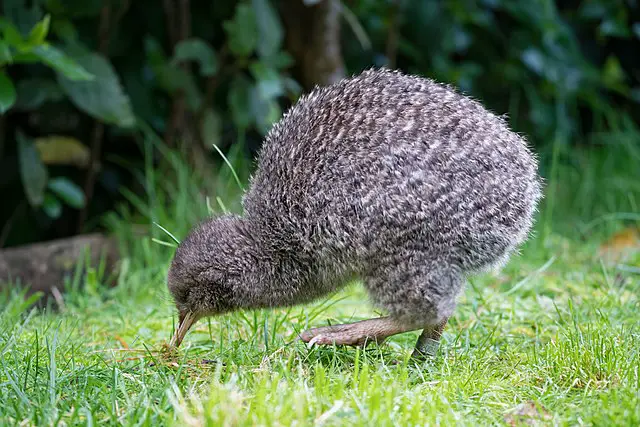
Now think about the kiwi, a much smaller bird from New Zealand. A female kiwi lays an egg that is, on average, 15% of her body weight. The egg weighs about 1 pound, a third as much as an ostrich egg, from a bird many times lighter.
So for its size, a kiwi’s egg is far bigger than an ostrich’s. The female lays one egg, and sometimes a second one 25 to 36 days later. Then the male takes over and keeps them warm for about 68 to 91 days.
Every bird lays eggs, but they do it in very different ways. A flamingo, for example, lays just one egg on top of a tall mound of mud.
An even bigger egg: the elephant bird
The ostrich egg is the biggest egg of any bird alive today. But it is not the biggest egg ever laid.
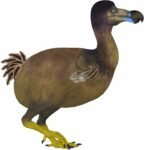
That record belongs to the elephant birds of Madagascar, a family of giant birds that could not fly. Their eggs were the largest laid by any animal we know of.
One kind, Aepyornis maximus, laid eggs 26.4 to 34 cm (10.4 to 13.4 inches) long and 19.4 to 24.5 cm (7.6 to 9.6 inches) wide. The longest were more than twice as long as an ostrich egg.
The biggest elephant bird of all, Vorombe titan, stood at least 3 metres (10 feet) tall and weighed about 650 kg (1,400 pounds) on average. It is the largest bird known to have lived.
Elephant birds belonged to the same group as ostriches, emus and rheas, called the ratites. The last of them died out roughly 1,300 to 1,560 years ago. Their fossil eggs are still quite common on Madagascar.
Where do ostriches lay their eggs?

Ostriches share their nests. In the breeding season, males give lion-like roars and hisses as they compete for a group of three to five hens. A female, called a hen, lays 7 to 10 eggs at a time. But several hens may lay their eggs in the same nest.
One hen is in charge. She is called the main hen, and she puts her own eggs in the centre of the nest, where they have the best chance of hatching.
Other hens add their eggs too. A shared nest can end up holding as many as 60 eggs, laid by several different females.
That is a lot of eggs to look after. It also means one nest can hold the chicks of many different mothers.
The nest itself is simple: a hollow scraped in the ground. When there are too many eggs to cover, the main hen may push some of them out, so that the rest can be kept warm properly.
The day shift and the night shift
Keeping so many eggs warm is a big job, so the parents take turns. The main hen usually sits on the eggs during the day, and the male takes over at night.
Look at their colours and it seems to make sense. The hen has dull, drab feathers that are hard to spot in daylight. The male is mostly black, with white plumes on his wings and tail, and black is hard to see in the dark.
The eggs take 42 to 46 days to hatch. That is about six weeks of sitting, turn and turn about, in all kinds of weather.
From chick to giant
Ostrich chicks start small, but they grow astonishingly fast. They get about 1 foot (30 cm) taller every month, and by the time they are one month old they can keep up with running adults.
By six months old, they are nearly as big as their parents. Young ostriches are ready to have chicks of their own when they are 3 to 4 years old.
San Diego Zoo Wildlife Alliance says ostriches in the care of people typically live to about 10 years old, though Britannica says ostriches in captivity may live as long as 50 years.
Do ostriches bury their heads in the sand?
No, they don’t. It is one of the most famous animal myths, but it isn’t true.
When danger is near, ostrich chicks and adults may lie flat on the ground with their long necks stretched out along it. That makes them much harder to spot. From a distance, it can look as if the head has vanished, which may be how the myth began.
Three things people get wrong
The ostrich egg is not the biggest egg ever. It is the biggest egg of any living bird, but the extinct elephant birds of Madagascar laid eggs more than twice as long.
A big egg is not big for every mother. An ostrich egg is only about 1.5% of its mother’s weight, while a kiwi egg is about 15%.
An ostrich nest does not belong to one mother. Several hens lay in the same nest, and it can hold up to 60 eggs.
Did you know? Ostrich parents work in shifts. The dull-coloured main hen sits on the eggs by day, and the black-feathered male takes over at night.
Try it
Weigh a chicken egg on a kitchen scale, then multiply by 24. That is roughly how much one ostrich egg weighs. Can you find something in your kitchen that weighs about the same?
Knowledge check
About how many chicken eggs weigh the same as one ostrich egg?
Show answer
About 24.
Which bird laid the largest eggs known?
Show answer
The extinct elephant birds of Madagascar.
Frequently asked questions
How big is an ostrich egg?
An ostrich egg is about 6 inches (15 cm) long and 5 inches (13 cm) across. It weighs about 3 pounds (1.5 kg), roughly the same as 24 chicken eggs.
How many chicken eggs equal one ostrich egg?
One ostrich egg weighs about the same as 24 chicken eggs. An ostrich egg weighs about 1,500 grams, and a large chicken egg about 60 grams.
Is the ostrich egg the biggest egg in the world?
The ostrich egg is the biggest egg of any living bird. The extinct elephant birds of Madagascar laid even bigger eggs, up to 34 cm long, the largest eggs of any known animal.
How long does an ostrich egg take to hatch?
Ostrich eggs take 42 to 46 days to hatch. The main hen usually sits on them during the day, and the male sits on them at night.
How many eggs does an ostrich lay?
An ostrich hen lays 7 to 10 eggs at a time. Several hens often share one nest, which can end up holding as many as 60 eggs.
Which bird lays the biggest egg for its size?
The kiwi lays one of the biggest eggs for its size. A female kiwi’s egg is on average 15% of her body weight, compared with about 1.5% for an ostrich.
Do ostriches bury their heads in the sand?
No. Ostriches do not bury their heads in the sand. When danger is near, they may lie flat with their necks stretched along the ground to hide, which may be how the myth began.
Sources
- San Diego Zoo Wildlife Alliance: ostrich — egg size and weight, the 24 chicken eggs comparison, shared nests, incubation shifts, chick growth, adult size, speed and lifespan
- Smithsonian’s National Zoo: North Island brown kiwi — kiwi egg size compared with the female, egg weight and incubation
- Encyclopaedia Britannica: elephant bird — elephant bird size, egg measurements and when they died out
- Encyclopaedia Britannica: ostrich — where ostriches live, their size, toes, speed, diet, harems, communal nests, incubation and the head-in-the-sand myth