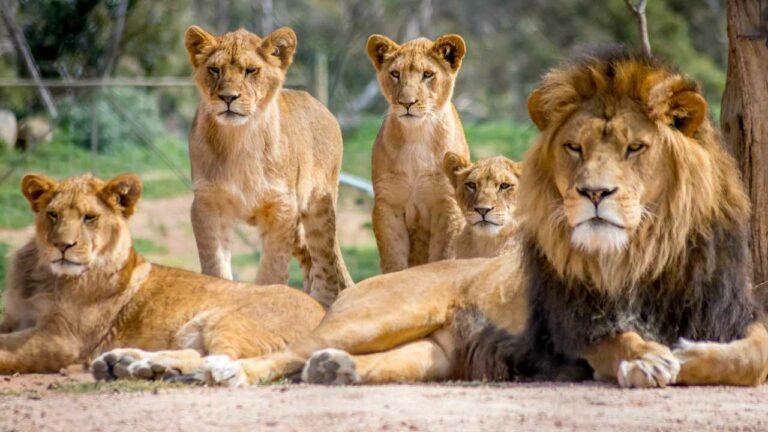
What is a lion?
| Feature | Lion fact | Why it matters |
|---|---|---|
| Social group | A pride of related females, young and resident males | Supports cub care, defence and cooperative hunting |
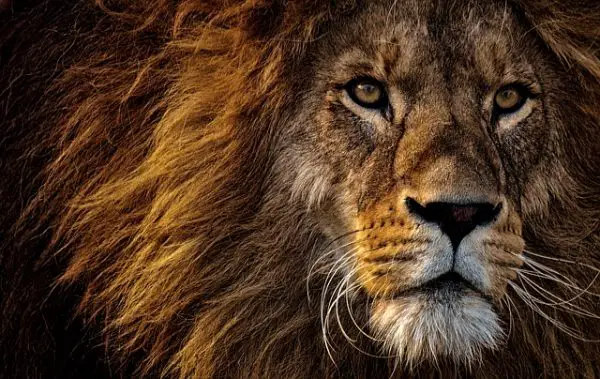
| Mane | Usually develops on adult males | Signals maturity and varies with age, genes and hormones |
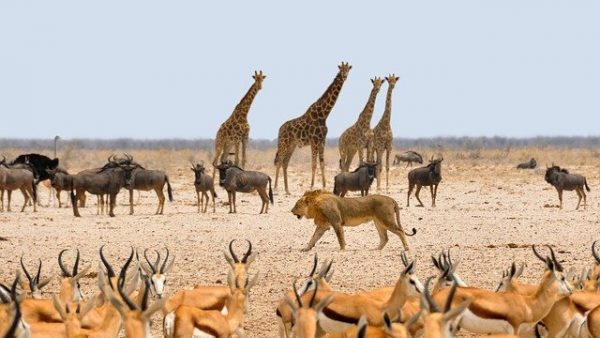
| Habitat | Plains, grassland, brush and dry forest | Cover and prey are more important than a “jungle” label |
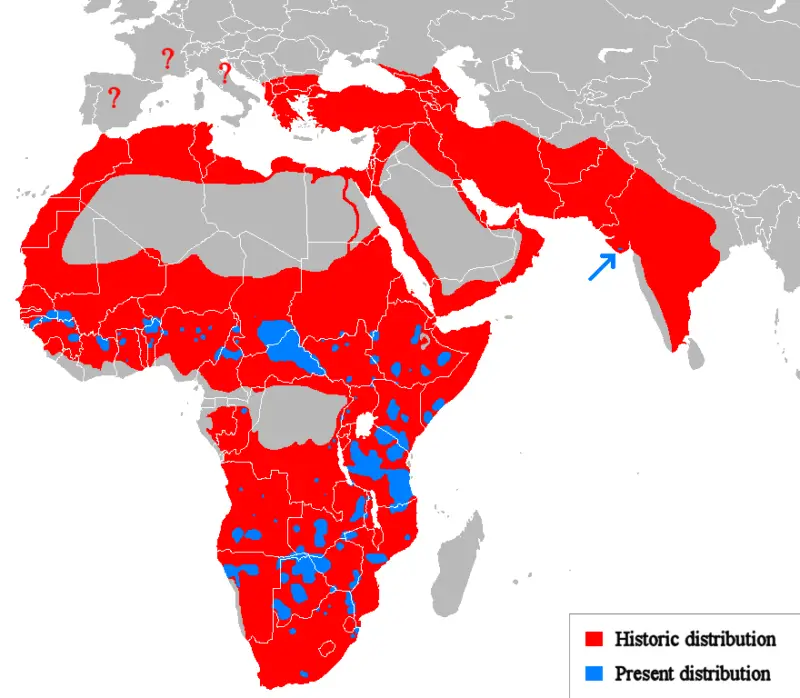
| Range | Mostly Africa plus Gir Forest in India | Modern distribution is much smaller than its historic range |
| Communication | Roars, scent marks and body signals | Keeps contact and advertises territory |
Common lion myths corrected
- Most lions do not live in tropical jungle; open woodland, grassland and brush are important habitats.
- “King of the jungle” is a cultural nickname, not a scientific classification.
- Lionesses are primary hunters in many prides, but males can hunt too.
- A pride is flexible: size and membership change with prey, territory and competition.
- White lions are colour variants of lions, not a separate species.
What lions look like
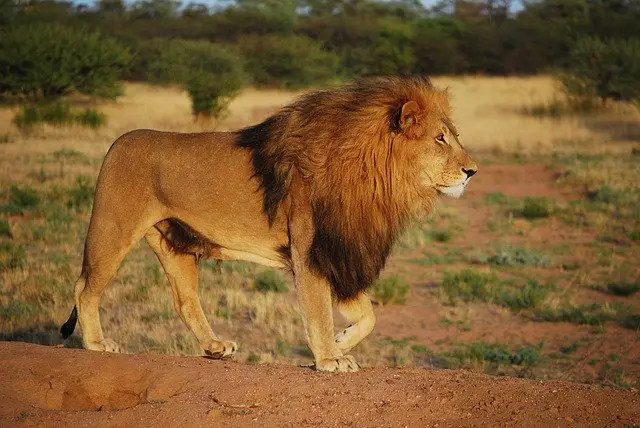
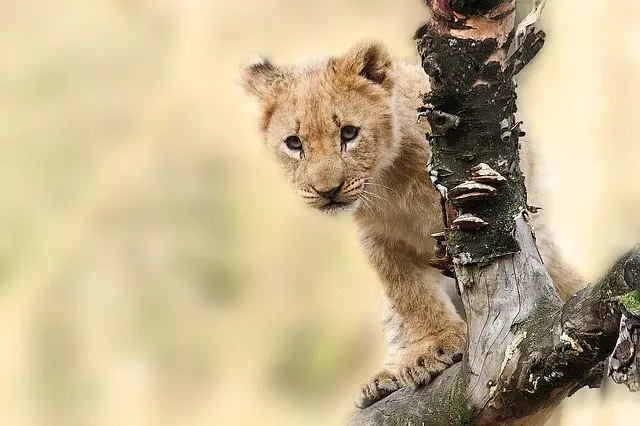
Lions have strong forelegs, compact bodies and jaws suited to gripping large prey. Their coats are usually yellow-gold. Young cubs have spots that fade with age, and adult males commonly develop manes ranging from blond to dark brown or black.
Males are generally larger than females, but individuals and regional populations vary. A mane’s size or colour is influenced by age, genetics and hormones, so appearance alone does not reveal an exact age or strength.
Prides, hunting and cubs
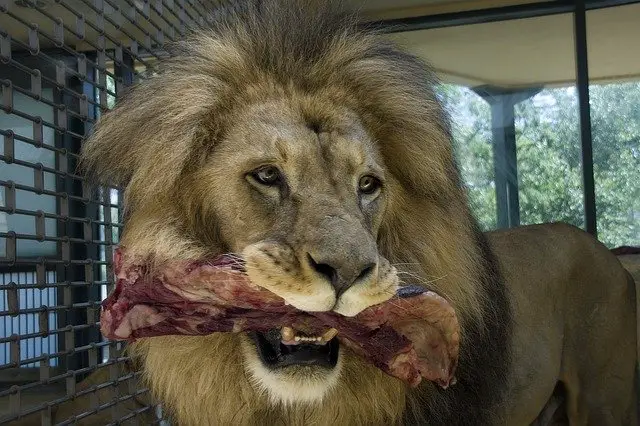
Related females often remain together and raise cubs within a pride. Resident males help defend territory, while females carry out much of the hunting. Group members regularly split into smaller subgroups and reunite.
Cubs nurse and gradually begin eating meat. Young males usually leave when they mature, often forming coalitions with brothers or cousins. A coalition may later compete to become resident in a pride.
Where lions live and why they are threatened
Modern wild lions occupy scattered habitats in Sub-Saharan Africa and the Gir Forest region of India. They need prey, water access, cover and enough connected land to move without frequent conflict.
Habitat loss, declining prey, retaliatory killing, poorly managed hunting and disease threaten populations. Protecting wildlife corridors and helping communities secure livestock can benefit lions and many other savanna species.
Picture guide

Continue the learning path
Did you know? A lion’s roar can help distant pride members keep contact and can warn neighbouring lions that a territory is occupied.
Try it
Draw a pride and label at least four roles or life stages. Add arrows showing cooperation, cub care and territorial defence.
Knowledge check
Why is “king of the jungle” a misleading description of a lion’s natural history?
Show answer
It is a cultural nickname, and many lions live in grassland, open woodland and brush rather than tropical jungle.
Sources
These government, museum, zoo and scientific resources support the key facts and uncertainty statements in this guide.
- Smithsonian National Zoo: Lion — Provides anatomy, habitat, range, prides, diet and reproduction.
- San Diego Zoo Wildlife Alliance: Lion — Explains habitat, behaviour, prey and conservation.
- Panthera: Meet the lion — Conservation fact sheet covering ecology, range and threats.