Benjamin Franklin (1706–1790) was an American printer, writer, scientist, inventor and diplomat, and one of the founders of the United States. He was never President. He showed that lightning is electricity, invented the lightning rod and bifocal glasses without ever patenting them, and persuaded France to join the American side in the Revolution. He is the only person who signed all four documents that created the USA.
Benjamin Franklin quick facts
- Franklin was never President of the United States, though he is on the $100 bill.
- He left school at about ten and was the fifteenth of seventeen children.
- At sixteen he wrote newspaper letters pretending to be a widow called Silence Dogood.
- He never patented a single invention, because he wanted everyone to be able to use them.
- He is the only person to sign all four founding documents of the United States.
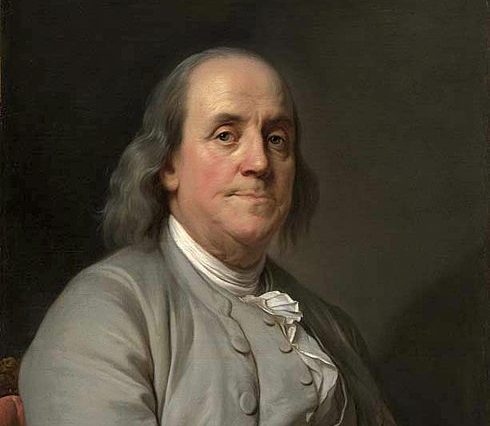
Benjamin Franklin is on the American $100 bill. He was never President.
He was a printer, a writer, an inventor, a scientist and a diplomat, and he left school at ten.
Who was Benjamin Franklin?
| Born | 17 January 1706, Boston |
| Died | 17 April 1790, Philadelphia, aged 84 |
| Jobs | printer, writer, scientist, inventor, diplomat |
| Famous for | electricity, the lightning rod, helping found the USA |
| School | left at about ten years old |
| President? | No, never |
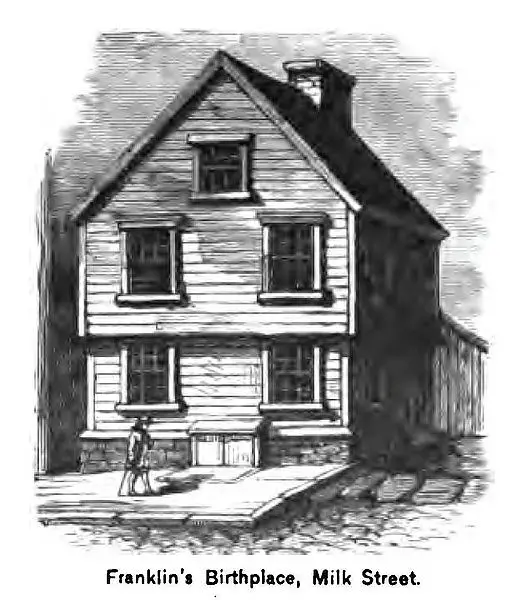
He was the fifteenth of seventeen children. His family could not afford to keep him in school, so he taught himself by reading everything he could find.
He did get a little schooling first. At eight he went to grammar school, and then to Mr George Brownell’s school for writing and arithmetic. At ten he left to work with his father, and the rest of his education came from books and conversation.
The boy who invented a widow
At twelve, Benjamin was apprenticed to his older brother James, a printer. He wanted to write for the newspaper. James refused.
So at sixteen he invented someone. He wrote letters as Silence Dogood, a sharp-tongued middle-aged widow, and slipped them under the print shop door at night.
Readers loved her. Some men even wrote in offering to marry her. James printed fourteen of her letters before he found out his teenage brother had written every one.
At seventeen, Benjamin ran away to Philadelphia with almost nothing.
Growing Up Franklin
- Born Benjamin is born in Boston, the fifteenth of seventeen children.
- Grammar school At eight, he starts at a grammar school.
- Leaving school At ten, he leaves school to work with his father.
- Apprentice At twelve, he starts working for his brother James, a printer.
- Secret letters At sixteen, he secretly writes letters for the newspaper under a made-up name.
- Running away At seventeen, he runs away to Philadelphia with almost nothing.

Poor Richard’s Almanack
On 19 December 1732, Franklin published the first Poor Richard’s Almanack, pretending it was written by someone called Richard Saunders. An almanac was a yearly book with a calendar, weather forecasts, poems, recipes, advice and short, clever sayings.
It came out every year for 25 years and sold up to 10,000 copies a year, which made it a bestseller in the American colonies. Once again, Franklin had found that the best way to be heard was to write as somebody else.
The kite, told carefully
In 1752 Franklin wanted to test an idea: that lightning is electricity, the same thing he had been making sparks with in his workshop.
He flew a kite in a thunderstorm, with a metal key tied to the string. Electricity in the air travelled down the wet string, and he drew sparks from the key.
The pictures you see of this are wrong in an important way. His kite was not struck by lightning. If it had been, he would almost certainly have died.
He was collecting the ordinary electric charge in a stormy sky, and he stood in a doorway keeping the end of the string dry. Another scientist trying the same test a year later was killed.
Never try this. It is genuinely lethal, and Franklin was luckier than he understood at the time.
Things he invented and gave away
- The lightning rod. A metal rod on a roof gives lightning a safe path to the ground. It has saved countless buildings.
- Bifocal glasses. Two lens strengths in one pair, so he could read and look up without swapping spectacles.
- The Franklin stove. A metal fireplace that gave more heat and less smoke than an open fire.
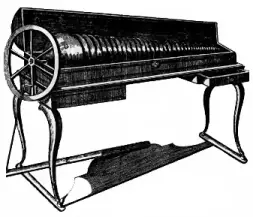
- The glass armonica. A musical instrument of spinning glass bowls. Mozart and Beethoven both wrote music for it.
Here is the remarkable part. Franklin never patented any of them. He believed that if his ideas could help people, everyone should be free to use them.
He explained why in his own words: “as we enjoy great advantages from the inventions of others, we should be glad of an opportunity to serve others by any invention of ours; and this we should do freely and generously.”
The dates show how busy he was. The Franklin stove came in 1742, the lightning rod in 1749 and the glass armonica in 1761. In 1752 he also designed a flexible catheter, a thin tube that doctors use to help people who cannot empty their bladder.
One thing he did not invent is daylight saving time. That idea is often pinned on him because of a joke essay he wrote in 1784.
He also started things that still exist: America’s first lending library, its first volunteer fire company, and a university in Philadelphia.
He ran the post too. He was postmaster of Philadelphia and joint deputy postmaster for all of Britain’s North American colonies, and in 1775 he became the first Postmaster General of the United States.
Inventions and Firsts
- Lightning rod — Gives lightning a safe path to the ground
- Bifocal glasses — Two lens strengths in one pair of spectacles
- Franklin stove — A metal fireplace with more heat and less smoke
- Glass armonica — A musical instrument of spinning glass bowls
- A lending library — The first in America, which he helped start
- Postmaster General — The job he was first to hold for the United States, in 1775
A champion swimmer
Franklin loved swimming. When he was 11, he made swim fins for his hands: two oval wooden paddles about 25 cm long, each with a hole for his thumb, rather like an artist’s paint palette. They pushed him along faster, but they made his wrists ache.
In 1726, while living in London, he swam about 5.6 km along the River Thames, from Chelsea to Blackfriars, showing off tricks above and below the water. He even let a kite pull him across a pond while he floated on his back.
He thought everyone should learn to swim, and today he is in the International Swimming Hall of Fame.
The old man who charmed France
When the American Revolution began, the colonies badly needed a powerful ally. Franklin was sent to France to find one.
He was seventy and already famous as a scientist. In Paris he wore a plain fur cap instead of the fashionable wig, and the French adored him for it.
His face turned up on medallions, snuffboxes and rings across the city. He used every bit of that fame, and in 1778 France agreed to join the war on America’s side.
Many historians think American independence would not have been won without it.
The only person who signed all four
Franklin put his name to the four documents that created the United States: the Declaration of Independence, the alliance with France, the peace treaty with Britain, and the Constitution.
He is the only person who signed all four. By the last one he was 81 and had to be carried to the meetings in a chair.
A Busy Life in Order
- Swimming the Thames Franklin swims about 5.6 km along the River Thames in London.
- Poor Richard He publishes the first Poor Richard's Almanack.
- The lightning rod He has invented the lightning rod.
- The kite He flies a kite in a thunderstorm to test an idea about lightning.
- France France agrees to join the war on America's side.
- The Constitution At 81, he signs the Constitution, carried to the meetings in a chair.
A part of his life that is harder
For much of his life Franklin enslaved people, and his newspaper printed advertisements for the sale of enslaved people.
He changed his mind as he got older. In his final years he became president of an anti-slavery society in Pennsylvania, and one of the last things he wrote was a petition to Congress asking it to end slavery.
Both things are true at once, and historians say so plainly. People in the past were complicated, and understanding them means holding the whole picture.
His death
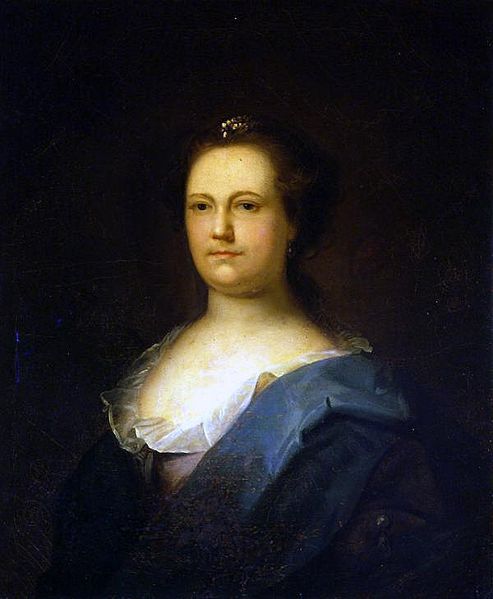
Franklin died in Philadelphia on 17 April 1790, aged 84, from an illness of the lining of the lungs called pleurisy. He is buried in the cemetery of Christ Church, Philadelphia, next to his wife, Deborah.
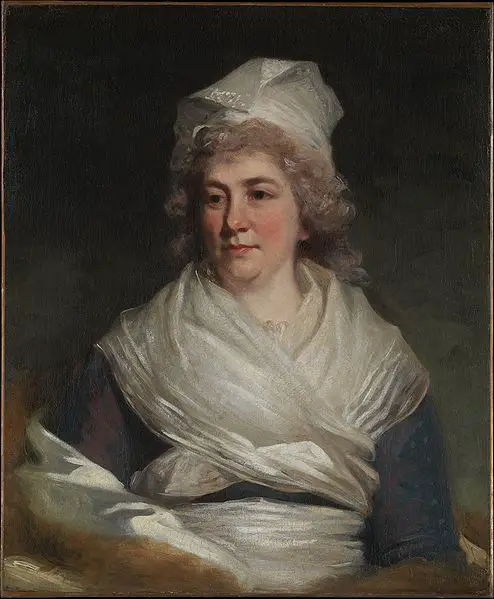
He and Deborah had two children together: Francis, who died of smallpox aged four, and Sarah. Franklin also had an older son, William.
Three things people get wrong
He was never President. He is on the $100 bill because of everything else he did. Only two non-presidents appear on US paper money.
He did not discover electricity. People already knew about it. What Franklin showed was that lightning in the sky and sparks in a laboratory are the same thing.
He did not want the turkey as the national bird. He made a joke about it in a private letter to his daughter. It was never a serious proposal.
Read more about the war he helped win in our guide to the American Revolution, or explore New York.
Did you know? Franklin’s kite was not struck by lightning. If it had been, he would almost certainly have died. He was collecting the ordinary electric charge in a stormy sky, standing in a doorway to keep the end of the string dry. Another scientist attempting the same test a year later was killed.
Benjamin Franklin: Fact or Myth?
- Benjamin Franklin discovered electricity.
- He started America's first volunteer fire company.
- He seriously proposed the turkey as America's national bird.
- In Paris, he wore a plain fur cap instead of a fashionable wig.
- He invented daylight saving time.
- He is in the International Swimming Hall of Fame.
- He patented his inventions so he could get rich from them.
- He is the only person who signed all four documents that created the United States.
Try it
Franklin gave his inventions away instead of patenting them. Look around a room and pick three things somebody had to invent. Then work out who benefits if that idea is free for anyone to copy, and who benefits if it is owned.
Knowledge check
Was Benjamin Franklin ever President of the United States?
Show answer
No, never. He helped create the country, signing the Declaration of Independence and the Constitution, and served as a diplomat in France. He appears on the $100 bill for all of that, not for being President.
What did the kite experiment actually show?
Show answer
That lightning is electricity, the same thing Franklin had been making sparks with indoors. His kite was not hit by lightning. He gathered the electric charge present in a stormy sky and drew sparks from a metal key on the string.
Frequently asked questions
Was Benjamin Franklin a president?
No. Benjamin Franklin was never President of the United States. He was a printer, writer, scientist, inventor and diplomat, and one of the country’s founders. He appears on the $100 bill, one of only two people on US paper money who were never president.
What did Benjamin Franklin invent?
The lightning rod, bifocal glasses, the Franklin stove and a musical instrument called the glass armonica, among other things. He refused to patent any of them, because he believed useful ideas should be free for everyone to use.
What happened with Benjamin Franklin’s kite?
In 1752 he flew a kite in a thunderstorm with a metal key on the string, to test whether lightning is electricity. It is. His kite was not struck by lightning, which would very likely have killed him; he collected the electric charge in the stormy air instead. Nobody should ever try this.
Why is Benjamin Franklin famous?
For a great many things: proving lightning is electricity, inventing the lightning rod and bifocals, founding America’s first lending library and fire company, and persuading France to support the American Revolution. He also signed all four documents that created the United States.
When was Benjamin Franklin born?
On 17 January 1706 in Boston. He was the fifteenth of seventeen children, and his family could not afford to keep him in school past the age of about ten. He died in Philadelphia on 17 April 1790, aged 84.
Did Benjamin Franklin own enslaved people?
Yes. For much of his life Franklin enslaved people, and his newspaper carried advertisements for their sale. He changed his views later, becoming president of an anti-slavery society in Pennsylvania, and one of his final acts was petitioning Congress to end slavery. Historians describe both parts of his life.
Did Benjamin Franklin invent daylight saving time?
No. The idea is often credited to him because of a joke essay he wrote in 1784, but he did not invent daylight saving time.
What was Poor Richard’s Almanack?
Poor Richard’s Almanack was a yearly book Franklin published from 1732 to 1758 under the made-up name Richard Saunders. It held a calendar, weather forecasts, poems, recipes and clever sayings, and sold up to 10,000 copies a year.
Could Benjamin Franklin swim?
Yes, he was a keen swimmer. At 11 he made wooden swim fins for his hands, in 1726 he swam about 5.6 km along the Thames in London, and he is in the International Swimming Hall of Fame.
Sources
- Britannica: Benjamin Franklin — his life, inventions, diplomacy in France and later anti-slavery work.
- USHistory.org: Benjamin Franklin — the Silence Dogood letters, his Philadelphia institutions and the kite experiment.
- The Franklin Institute: Benjamin Franklin’s inventions — his inventions, their dates and why he never patented them
- The Franklin Institute: Benjamin Franklin FAQ — his schooling, the post office, his family, his death and daylight saving
- Benjamin Franklin Historical Society: Poor Richard’s Almanack — the almanac’s first issue, pen name, contents and sales
- International Swimming Hall of Fame: Benjamin Franklin — his swim fins, his Thames swim and kite-towing
Benjamin Franklin Final Challenge
- What name did 16-year-old Benjamin use for his secret newspaper letters?
- Who was Poor Richard's Almanack supposedly written by?
- What was an almanac?
- At its best, how many copies of Poor Richard's Almanack were printed a year?
- What did Franklin make for his hands when he was 11?
- Benjamin was which child in his family?
- What illness did Franklin die of in 1790?
- Where is Franklin buried?