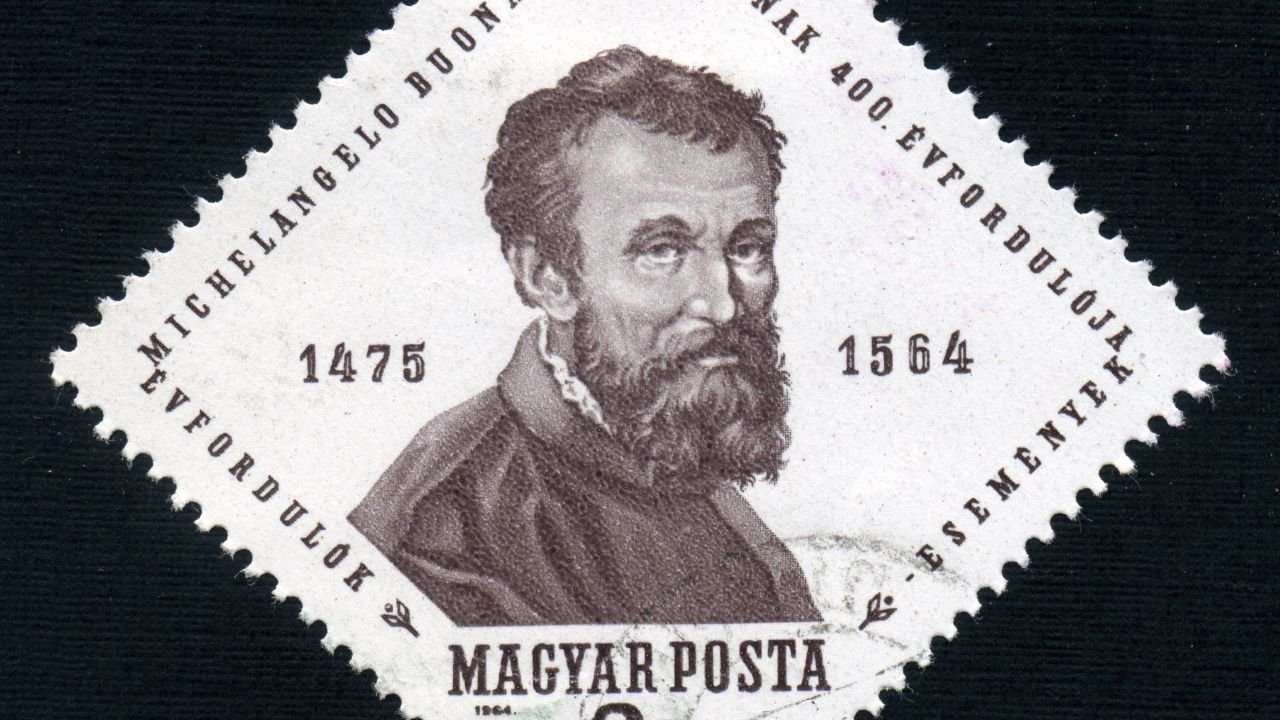
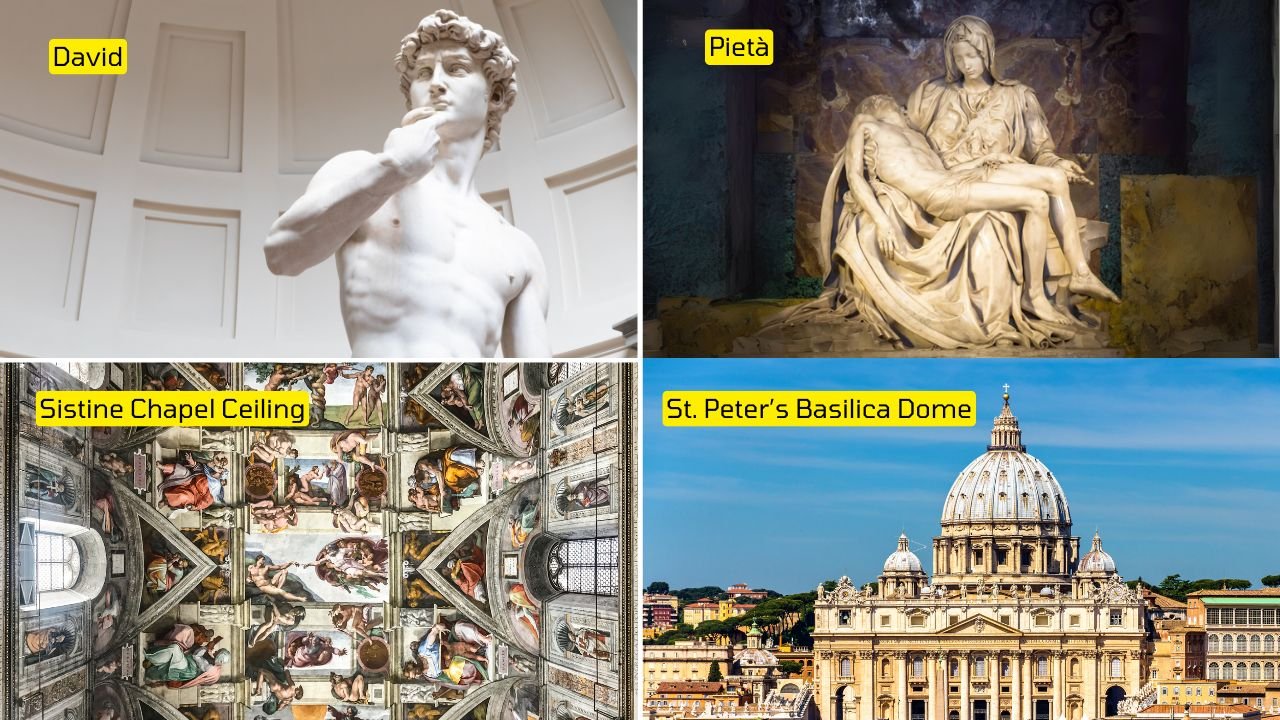
Michelangelo (1475–1564) was famous as a sculptor, painter and architect of the Italian Renaissance. He carved the Pietà and David, painted the Sistine Chapel ceiling between 1508 and 1512 and later The Last Judgment, and designed the great dome of St Peter’s Basilica in Rome.
Michelangelo quick facts
- The Pietà is the only work Michelangelo ever signed.
- David was carved from a block two other sculptors had abandoned.
- Moses has horns because of an old translation mistake.
- Michelangelo designed his own scaffold to paint the Sistine ceiling.
- St Peter’s dome was finished 26 years after he died, in just 22 months.
Michelangelo at a glance
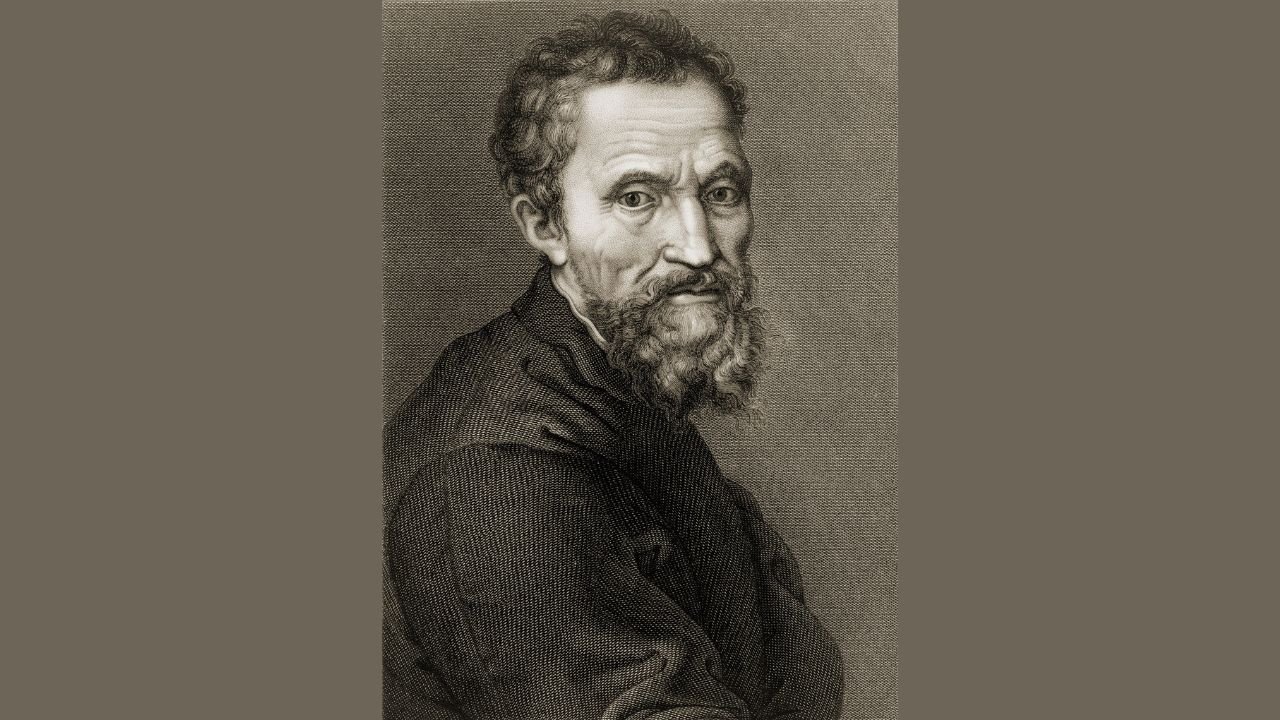
Michelangelo was a sculptor, painter, architect and poet from Renaissance Italy. He carved David, painted the ceiling of the Sistine Chapel and designed the dome of St Peter’s Basilica. Few artists have been famous for so many different things.
This guide explains each of his most famous works, with the stories behind them. The facts come from the Vatican Museums, St Peter’s Basilica, the Casa Buonarroti museum in Florence and the V&A in London.
| Michelangelo at a glance | |
|---|---|
| Full name | Michelangelo Buonarroti |
| Born | 6 March 1475, Caprese, Tuscany |
| Died | 18 February 1564, Rome |
| Jobs | Sculptor, painter, architect and poet |
| Most famous sculptures | The Pietà, David and Moses |
| Most famous paintings | The Sistine Chapel ceiling and The Last Judgment |
| Most famous building | The dome of St Peter’s Basilica |
What was Michelangelo famous for?
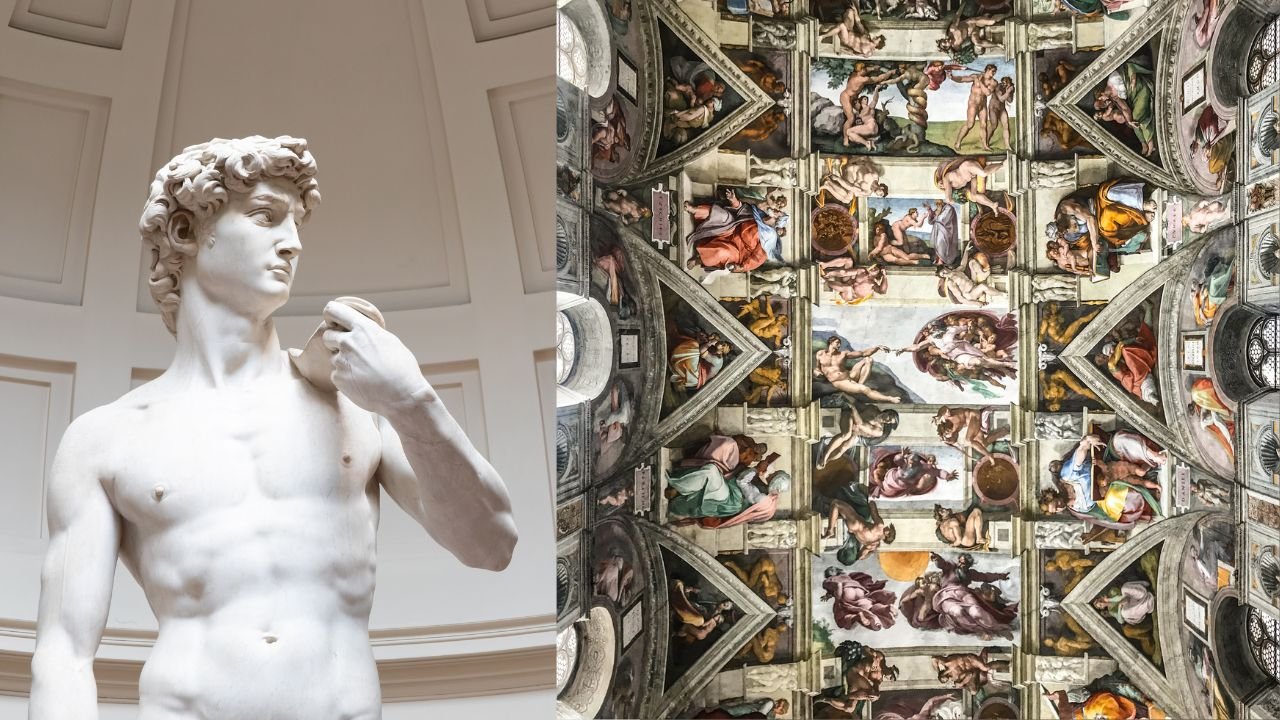
Michelangelo was famous for three great kinds of art. As a sculptor, he carved the Pietà and David. As a painter, he covered the ceiling of the Sistine Chapel with scenes from the Bible. As an architect, he designed the great dome of St Peter’s Basilica in Rome.
Casa Buonarroti, the museum in his family’s house, says he was also a poet. He worked for popes and powerful families, and he kept working into his late eighties.
His early life
Michelangelo was born on 6 March 1475 in Caprese, a small town in Tuscany. Casa Buonarroti says his family name was Buonarroti, and the family moved to Florence when he was a child.
In 1487, aged about 12, he joined the workshop of Domenico and Davide Ghirlandaio. Casa Buonarroti says he then studied in the Medici sculpture garden at San Marco, taught by the sculptor Bertoldo di Giovanni.
There he copied ancient Roman statues. As a teenager, he carved two marble reliefs: the Madonna of the Stairs and the Battle of the Centaurs. Both are still in the Casa Buonarroti museum in Florence.
The Pietà
Michelangelo’s first great masterpiece was the Pietà. St Peter’s Basilica says he started it in 1498, when he was only 23.
The Pietà shows Mary holding the dead body of Jesus across her lap. A French cardinal ordered it for his own tomb. The contract asked for a statue “as large as a good-sized man”.
Michelangelo carved it from a single block of Carrara marble in about nine months. It stands today in St Peter’s Basilica in Rome.
The Pietà has a special secret. St Peter’s Basilica says it is the only work Michelangelo ever signed. His name is carved on the band across Mary’s chest. In Latin, it says that Michelangelo Buonarroti of Florence made it.
David
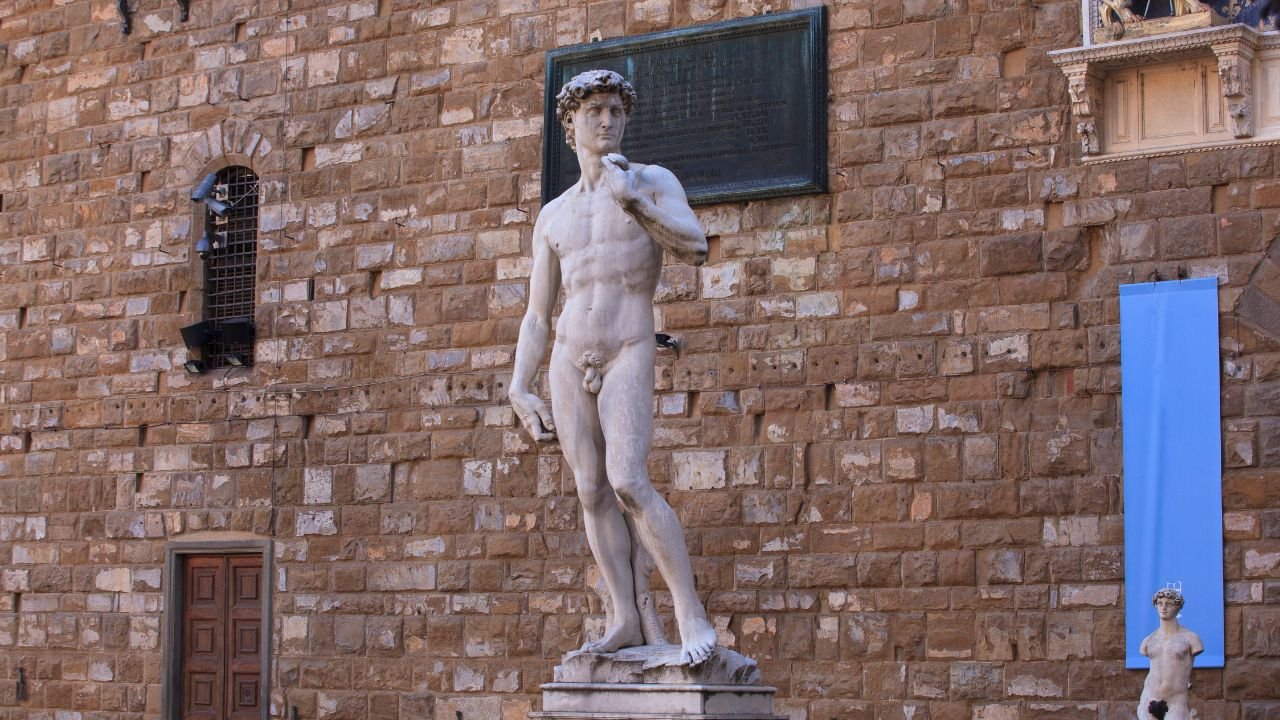
David is Michelangelo’s most famous statue. The V&A says it is about 5 m (17 ft) tall. The people of Florence nicknamed it “The Giant”.
The marble had a troubled past. The V&A says Agostino di Duccio started on the block in 1464. Antonio Rossellino tried in 1475. Both stopped because of flaws in the stone.
Michelangelo took on the abandoned block in his early twenties. From a piece of marble that two sculptors had given up on, he carved one of the most famous statues in the world.
Where David stands
David was meant to go high up on Florence Cathedral. The V&A says it was placed outside the town hall, the Palazzo Vecchio, instead.
In 1873, David was moved indoors to protect it from weather and damage. It stayed in a wooden crate for years until its new gallery was ready.
London has a copy too. The V&A says a full-size plaster copy of David has been in the museum since 1857, a gift from Queen Victoria. A plaster fig leaf was made to cover it when royal ladies visited.
The Sistine Chapel ceiling
The Sistine Chapel is in the Vatican, in Rome. The Vatican Museums say it is named after Pope Sixtus IV, who had it rebuilt between 1477 and 1480.
Pope Julius II asked Michelangelo to paint its ceiling. The Vatican Museums say Michelangelo signed the contract on 8 May 1508. The first plan asked only for the twelve apostles and some decoration. Michelangelo asked to do something far bigger, and the Pope agreed.
He finished the first half by August 1510. The Vatican Museums say the whole ceiling was complete by 31 October 1512. The Pope said Mass in the chapel on 1 November 1512.
The chapel before Michelangelo
The Sistine Chapel was already decorated when Michelangelo arrived. The Vatican Museums say its walls were painted in 1481 and 1482 by artists including Botticelli, Perugino and Ghirlandaio.
The ceiling was a different story. The Vatican Museums say a crack appeared in it in May 1504, so it needed repairs. That gave Pope Julius II the chance to ask for something new.
Michelangelo was mainly a sculptor, not a painter of huge ceilings. Yet he agreed to the job and made it far bigger than the first plan.
What the ceiling shows
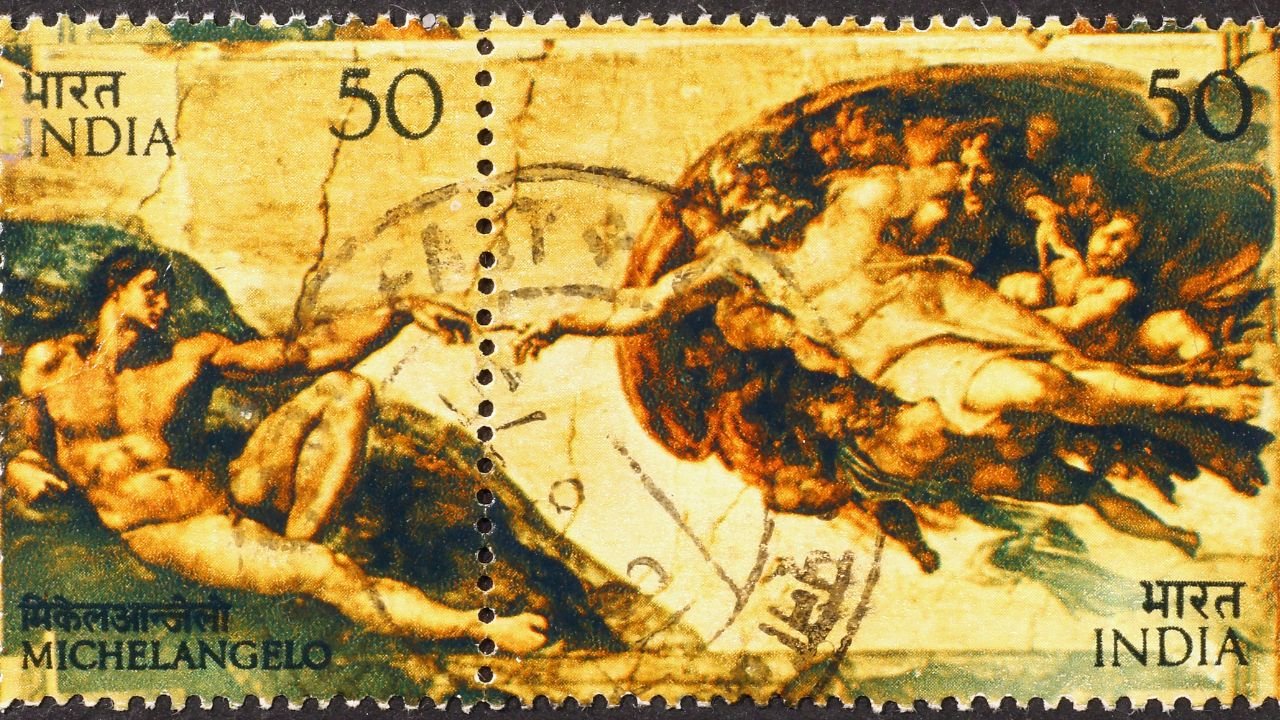
The middle of the ceiling shows nine stories from the Book of Genesis. The Vatican Museums say they include the Creation of Adam, one of the most famous images in the world.
Around the stories sit seven Prophets and five Sibyls, on huge painted thrones. Sibyls were prophetesses from ancient legend.
Michelangelo did not paint lying down. ArcheoRoma, a Rome heritage guide, says he designed his own wooden scaffold fixed to the side walls, with a walkway and steps. It covered half the chapel at a time, leaving the floor below clear.
The Last Judgment
Years later, Michelangelo returned to the Sistine Chapel. The Vatican Museums say he painted The Last Judgment on the altar wall from 1536 to 1541.
It shows Christ at the centre, judging the dead as they rise to heaven or fall to hell. Saint Bartholomew is shown holding his own skin.
Many figures were painted nude, which upset some people. The Vatican Museums say later painters, such as Daniele da Volterra, added cloth to cover them.
All the Sistine frescoes were cleaned and restored between 1979 and 1999. Cardinals still meet in the chapel, under Michelangelo’s paintings, to elect a new pope.
Moses
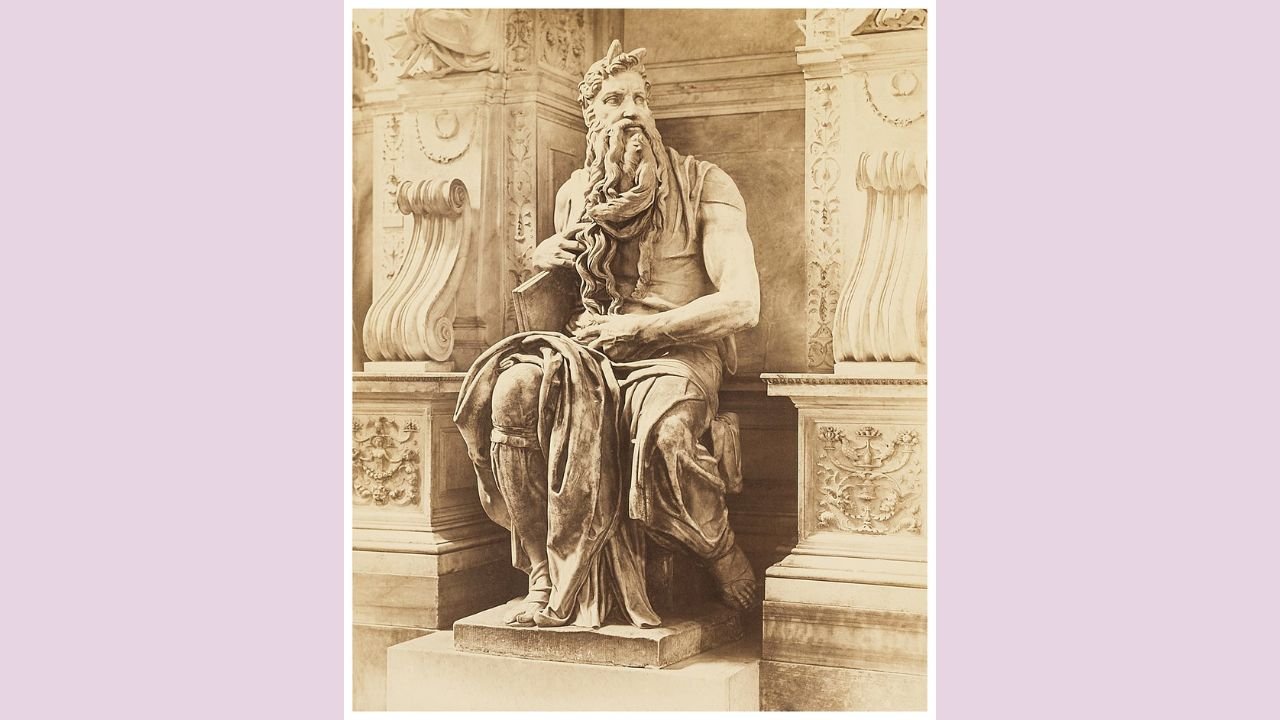
In 1513, Michelangelo carved a statue of Moses for the tomb of Pope Julius II. Italia.it, Italy’s national tourism board, tells its story.
Moses has two horns on his head. Italia.it says this comes from an old translation mistake. The Hebrew word for “rays” of light was confused with the word for “horns”.
The tomb was never built as grandly as planned. Moses ended up in the church of San Pietro in Vincoli in Rome, where it has been since 1545. A famous story says Michelangelo struck the finished statue and told it to speak, because it looked so real.
The dome of St Peter’s
In his later years, Michelangelo became an architect. St Peter’s Basilica says he designed its great dome and built it up to the drum, which is the round base.
He did not live to see it finished. After his death, Giacomo della Porta and Domenico Fontana completed the dome in just 22 months, from 1588 to 1590, with 800 workers.
The cross on top is more than 133 m (436 ft) above the ground. Inside, the top of the dome is about 117 m (384 ft) high. The dome has two shells, one inside the other, with a gap between them.
Other buildings he designed
Casa Buonarroti says Michelangelo designed the New Sacristy, a burial chapel for the Medici family at the church of San Lorenzo in Florence. He also designed a Rome city gate, the Porta Pia, in 1561.
His drawings and legacy
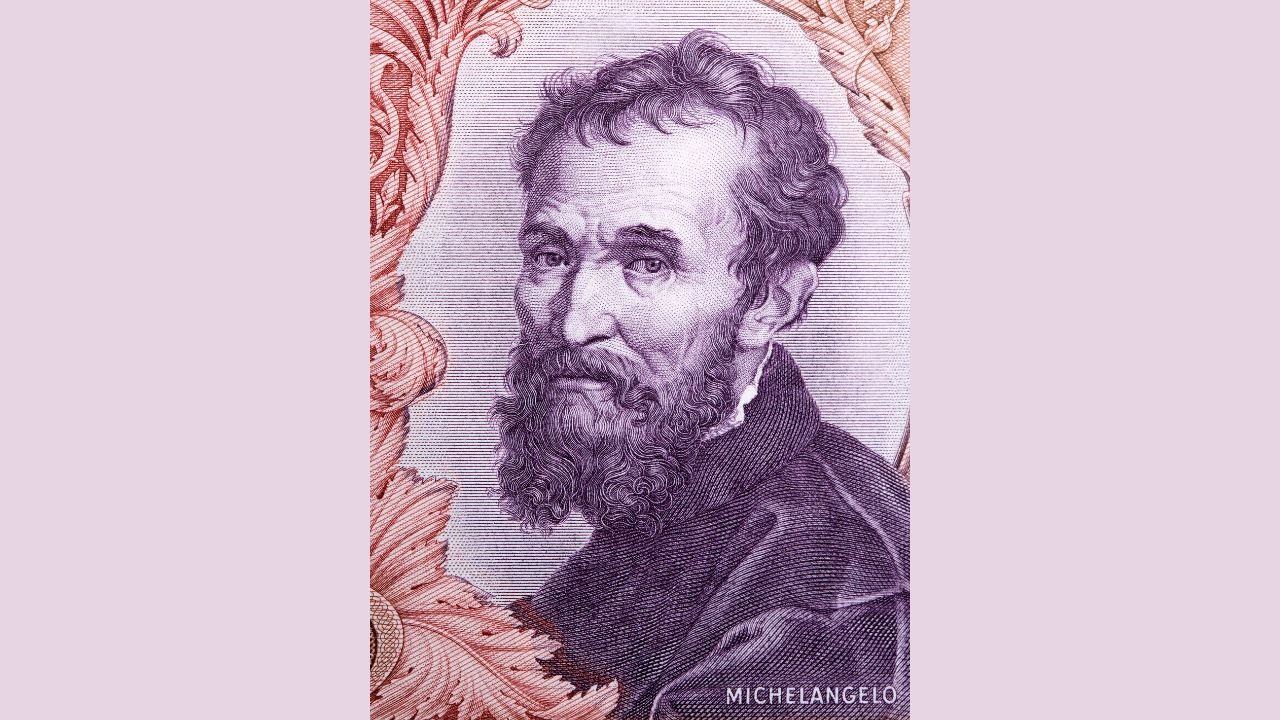
Casa Buonarroti keeps 205 of Michelangelo’s drawings. He tried to destroy many of his drawings before he died. After his death, his nephew Leonardo saved some from his Florence studio.
Michelangelo died on 18 February 1564 at his house in Rome, aged almost 89. Friends, including Daniele da Volterra, were with him.
His art still draws crowds from all over the world. To compare him with another Italian Renaissance master, read our guide to the Mona Lisa.
Three things people get wrong
Myth: Michelangelo painted the Sistine ceiling lying on his back. ArcheoRoma says he designed his own wooden scaffold, with a walkway fixed to the chapel walls. He worked from that platform.
Myth: Michelangelo signed all his works. St Peter’s Basilica says the Pietà is the only work he ever signed. His name runs across the band on Mary’s chest.
Myth: Moses’ horns mean something evil. Italia.it says the horns come from a translation mistake. The Hebrew word for rays of light was confused with the word for horns.
Did you know? A plaster fig leaf was made to cover the V&A’s copy of David when royal ladies visited the museum.
Try it
Lie on the floor and try drawing on paper held above your head for two minutes. Then think about why Michelangelo built a scaffold to stand on instead.
Knowledge check
Which is the only work Michelangelo signed?
Show answer
The Pietà in St Peter’s Basilica.
When did Michelangelo paint the Sistine Chapel ceiling?
Show answer
From 1508 to 1512.
Frequently asked questions
What was Michelangelo most famous for?
Michelangelo was most famous for the statues of David and the Pietà, the Sistine Chapel ceiling, The Last Judgment and his design for the dome of St Peter’s Basilica.
When did Michelangelo paint the Sistine Chapel ceiling?
The Vatican Museums say Michelangelo signed the contract on 8 May 1508 and finished the ceiling by 31 October 1512, about four years later.
How tall is Michelangelo’s David?
The V&A says Michelangelo’s David is about 5 metres (17 feet) tall. The people of Florence nicknamed the statue “The Giant”.
Did Michelangelo paint lying on his back?
No. ArcheoRoma says Michelangelo designed his own wooden scaffold with a walkway fixed to the chapel walls, and he worked from that platform.
Why does Michelangelo’s Moses have horns?
Italia.it says the horns come from an old translation mistake. The Hebrew word for rays of light was confused with the word for horns.
Where was Michelangelo born?
Michelangelo was born on 6 March 1475 in Caprese, a small town in Tuscany, Italy. His family moved to Florence when he was a child.
Sources
- Vatican Museums: the Sistine Chapel ceiling — the contract, dates and scenes; its chapel history and Last Judgment pages were also used
- St Peter’s Basilica: the Pietà — the Pietà and its signature; its page on the dome was also used
- Casa Buonarroti, Florence — his early reliefs, buildings and drawings; its Google Arts & Culture story on his life was also used
- V&A: the story of Michelangelo’s David — the block, where David stood and the V&A cast
- Italia.it: San Pietro in Vincoli and Moses — Moses and the tomb of Julius II
- ArcheoRoma: the Sistine Chapel ceiling — the scaffold Michelangelo designed