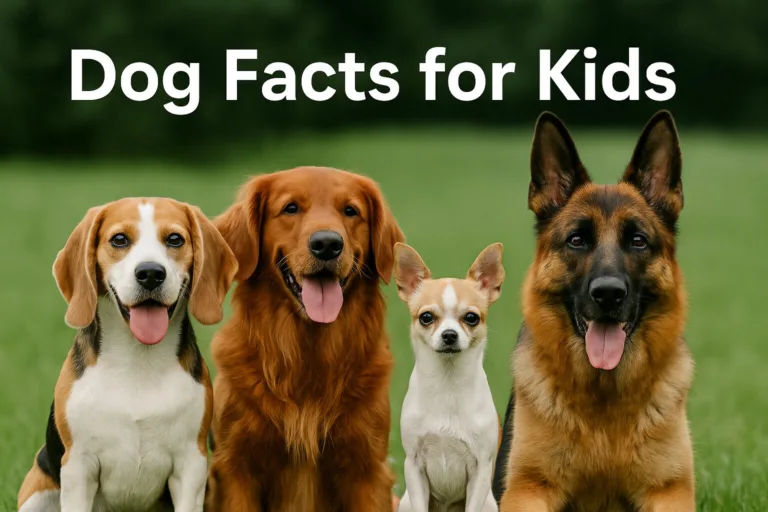

The German shepherd is a large, intelligent dog breed that began in Germany in 1899. It was first bred to herd sheep, and later became famous as a police, army and guide dog. German shepherds are about 56 to 66 cm tall, loyal and brave, and need more than two hours of exercise a day. In 2025 it was the fourth most popular breed in the USA.
German shepherds quick facts
- The German shepherd breed began in Germany in 1899.
- The first German shepherd was called Horand von Grafrath.
- German shepherds were first bred to herd sheep.
- In Britain the breed was once called the Alsatian.
- A German shepherd needs more than two hours of exercise a day.
What is a German shepherd?
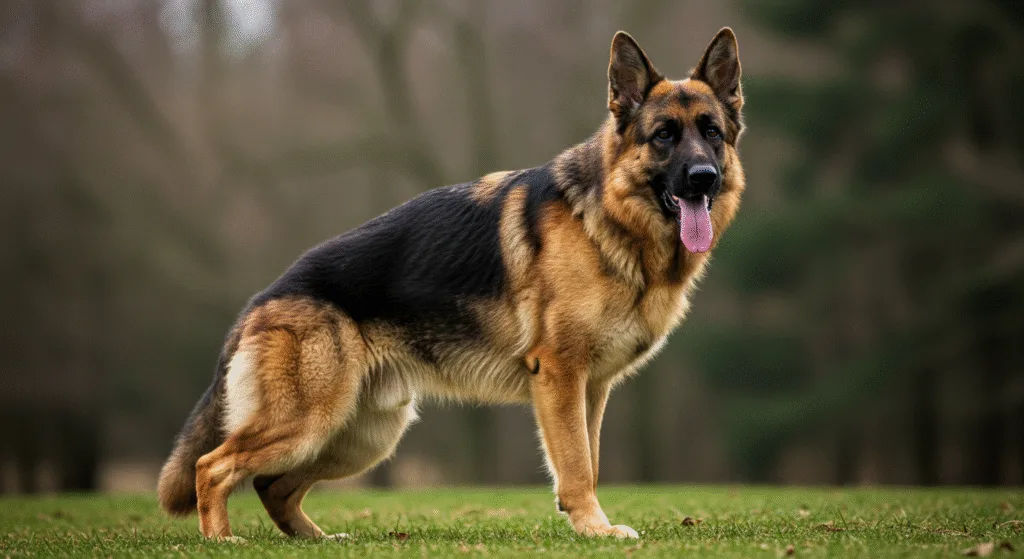
The German shepherd is a large, clever and hard-working dog breed that comes from Germany. It is one of the most famous dogs in the world, known for its pointed ears, thick coat and brave, loyal nature.
The American Kennel Club keeps records of dog breeds in the United States. It calls the German shepherd “dogkind’s finest all-purpose worker”. German shepherds work with the police and the army, guide blind people and help find people who are lost.
They are also very popular pets. The American Kennel Club says the German shepherd was the fourth most popular dog breed in the United States in 2025.
| German shepherd at a glance | |
|---|---|
| Comes from | Germany |
| Height at the shoulder | about 56 to 66 cm |
| Weight | up to about 32 kg (females) and 41 kg (males) |
| Coat | a thick double coat |
| Exercise | more than 2 hours a day |
| Lifespan | usually more than 10 years |
| First bred as | a sheepdog |
How the breed began
The German shepherd breed was started in Germany in 1899. The American Kennel Club says a German army captain called Max von Stephanitz and his friend Meyer began it.
At a big dog show in April 1899, von Stephanitz spotted a wolf-like dog called Hektor Linksrhein and bought him for 200 gold marks. He renamed the dog Horand von Grafrath and gave him registration number SZ1, making him the very first German shepherd.
Within a month, von Stephanitz and Meyer had set up the world’s first German shepherd dog club, the American Kennel Club says.
German shepherds were first bred to herd sheep. The American Kennel Club says they could help manage flocks of as many as 1,000 sheep. Later, von Stephanitz promoted them as working dogs for the police and the army.
A dog with two names
The First World War made German shepherds famous around the world as brave war dogs, the Royal Kennel Club in the UK says. But because the war was fought against Germany, the breed’s name became a problem.
Around the time of the First World War, the American Kennel Club asked the US breed club to change the breed’s name. In Britain, the Royal Kennel Club’s records show the breed was called the “Alsatian Wolf Dog” in 1926, and “German Shepherd Dog” again by 1978.
That is why some older people in Britain still call German shepherds Alsatians.
Famous German shepherds
After the First World War, two German shepherds became film stars. The American Kennel Club says Rin Tin Tin and Strongheart, both war veterans, made the breed hugely popular. Rin Tin Tin starred in 23 silent films for the Warner Bros film studio.
In 1928, a German shepherd called Buddy became a Seeing Eye dog, guiding a blind person. The American Kennel Club says it helped show how useful these dogs could be.
What does a German shepherd look like?
German shepherds are big dogs. The Royal Kennel Club’s breed standard, updated in August 2025, says males should be about 63 cm tall at the shoulder and females about 58 cm.
The American Kennel Club says males weigh up to about 41 kg and females up to about 32 kg. The PDSA, a UK vets’ charity, gives an average weight of 35 to 43 kg.
A German shepherd is slightly longer than it is tall, with a strong, muscly body, the Royal Kennel Club says. It has a thick double coat that keeps out the weather, and in the UK there are two coat types: a shorter coat and a long coat.
Most German shepherds are black and tan, but the Royal Kennel Club says allowed colours also include all black and grey “sable” coats.
Personality and brains
The American Kennel Club describes German shepherds as loyal, confident, brave and steady. The Royal Kennel Club says a German shepherd should be calm and self-assured, and never nervous or over-aggressive.
They are very intelligent and love being busy, the PDSA says. They learn best with rewards, and they are easy to train for experienced owners.
They can also be protective, with strong guarding instincts, the PDSA says. The American Kennel Club says they are usually serious and independent dogs, but they can be gentle family pets.
Working dogs
German shepherds do many important jobs. The American Kennel Club says they work with the police and the military, and do search-and-rescue, bomb detection and other sniffing work.
The Royal Kennel Club says they have worked as guide dogs for blind people and as tracking dogs. The American Kennel Club says they also take part in dog sports such as herding, agility, tracking and dock diving, where dogs leap into water.
How popular are German shepherds?
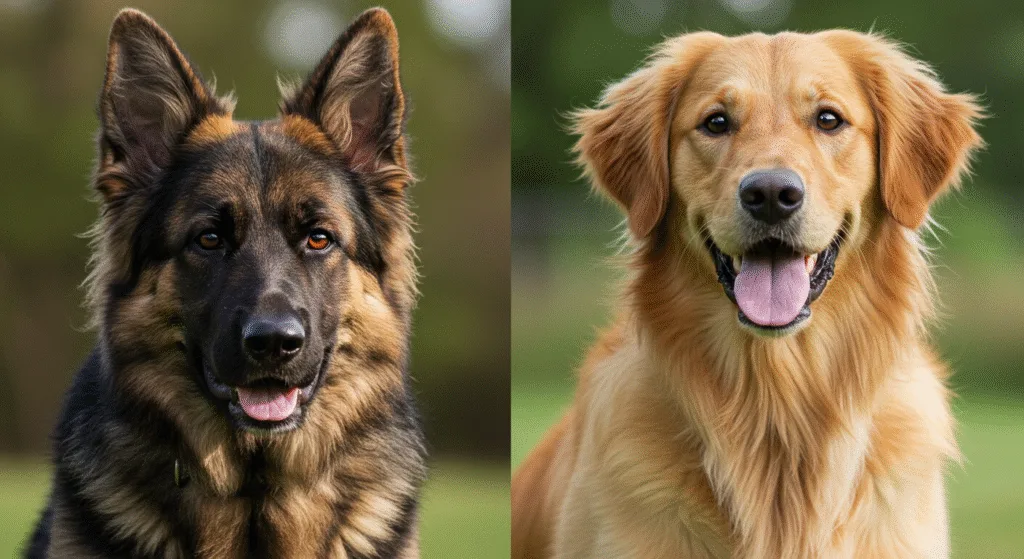
German shepherds are one of the world’s favourite breeds. The American Kennel Club says the German shepherd was the fourth most popular breed in the United States in 2025, after the French bulldog, the Labrador retriever and the golden retriever.
It has stayed in the top ten most popular US breeds for decades. The Royal Kennel Club puts it in the Pastoral group, the group for herding dogs.
Looking after a German shepherd
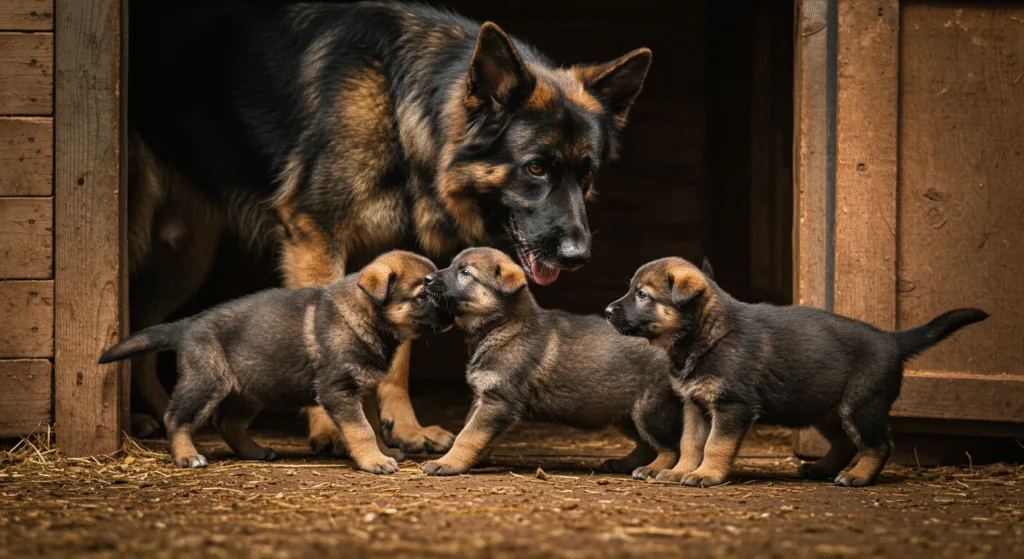
A German shepherd is a big responsibility. The Royal Kennel Club and the PDSA say it needs more than two hours of exercise every day.
The Royal Kennel Club says the breed suits a large house with a large garden. German shepherds shed a lot of hair and need brushing more than once a week.
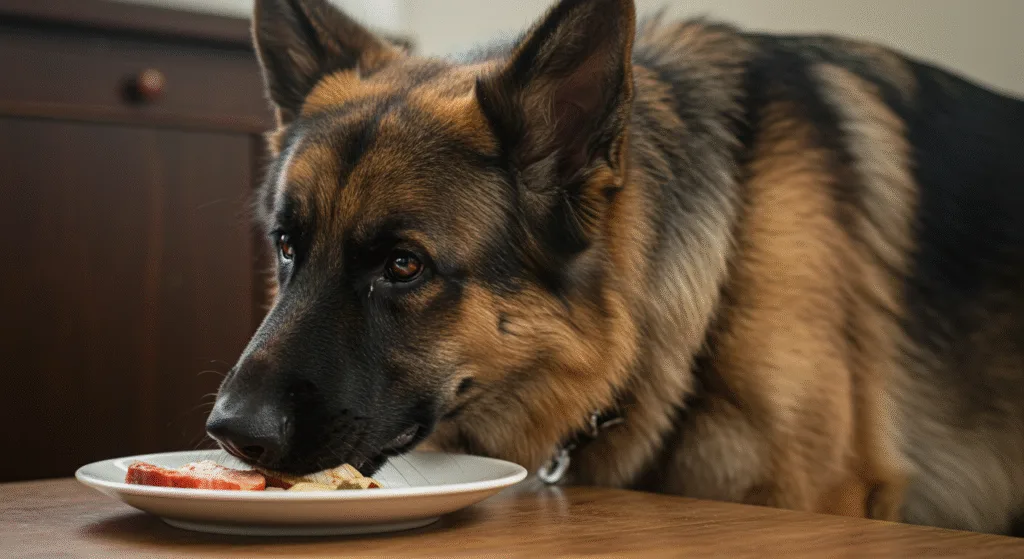
They are expensive to keep, too. The PDSA estimates that a German shepherd costs at least £105 a month. Over its whole life, that adds up to more than £17,000.
The PDSA says German shepherds are not ideal for most families. They need experienced owners with plenty of time and space. They usually live for more than 10 years.
Like many large breeds, they can have health problems. The PDSA lists hip and elbow problems, a spine disease called degenerative myelopathy, eye diseases and epilepsy. The Royal Kennel Club asks responsible breeders to test their dogs for some of these.
Staying safe around dogs
All dogs, even friendly ones, need to be treated with care. The RSPCA, a UK animal welfare charity, says never to leave a child alone in the same room as a dog, even the family’s own dog.
The RSPCA says not to go up to dogs you don’t know, such as dogs in the park. Leave dogs alone when they are eating, sleeping or resting, and never climb on a dog or pull its ears.
Dogs Trust, another UK dog charity, says dogs “whisper” when they are worried. They may lick their lips, yawn when they are not tired, tuck their tail under, or move away.
Dogs Trust says to give a dog gentle strokes rather than hugs and kisses. Hugs can make a dog feel trapped. Let the dog choose to come to you, and let it walk away if it wants to.
Learn more about our four-legged friends in our dog facts.
More German shepherd facts
German shepherds come in slightly different sizes. The American Kennel Club says males are 61 to 66 cm tall at the shoulder. Females are a little shorter, at 56 to 61 cm.
They move in a special way. The Royal Kennel Club says that when a German shepherd trots, its front leg and opposite back leg move forward together. This makes its stride smooth and ground-covering.
The breed’s founder kept working with the dogs for many years. The American Kennel Club says Max von Stephanitz visited America in 1930 to judge a dog show. He died in 1936.
The breed’s shape has changed over time. The Royal Kennel Club says German shepherds now come in two quite different types, because their shape has altered in recent decades.
Grown-ups play a big part in dog safety. Dogs Trust says adults should stay close when children and dogs are together. When they cannot watch closely, they should keep them apart.
The RSPCA says that if a dog looks unhappy, you should let it go somewhere it feels safe. Never follow a dog that is walking away.
Three things people get wrong
German shepherds were not first bred as police dogs. They were bred to herd sheep.
It is not safe to leave a child alone with a dog. The RSPCA says this applies even to your own dog.
A yawning dog is not always tired. Yawning can be a sign that a dog is worried.
Did you know? The film star dog Rin Tin Tin, a German shepherd, appeared in 23 silent films for Warner Bros.
Try it
Learn Dogs Trust’s dog body language signs: lip licking, yawning and a tucked tail. Can you spot them in pictures of dogs?
Knowledge check
What were German shepherds first bred to do?
Show answer
Herd sheep.
What was the breed called in Britain for many years?
Show answer
The Alsatian.
Frequently asked questions
Where do German shepherds come from?
German shepherds come from Germany. The breed was started in 1899 by Captain Max von Stephanitz and his friend Meyer.
How big do German shepherds get?
Males are about 61 to 66 cm tall and weigh up to about 41 kg. Females are a little smaller, up to about 32 kg.
Why are German shepherds used as police dogs?
They are intelligent, brave, easy to train and have a great sense of smell, so they are used for police, army and search work.
Why were German shepherds called Alsatians?
Around the First World War, the breed’s German name became unpopular, so in Britain it was called the Alsatian Wolf Dog for many years.
Are German shepherds good family pets?
They can be gentle family pets, but the PDSA says they need experienced owners, lots of space and more than two hours of exercise a day.
How long do German shepherds live?
The Royal Kennel Club and the PDSA say German shepherds usually live for more than 10 years.
Sources
- American Kennel Club: German shepherd history — how the breed began, Horand, the name change and Rin Tin Tin; its fun facts, breed and 2025 popularity pages were also used
- The Royal Kennel Club: German shepherd dog — size, exercise, grooming, lifespan, history and health tests; its breed standard and 1900s timeline were also used
- PDSA: German shepherd — weight, temperament, training, health, cost and suitability
- RSPCA: children and dogs — safety rules for children around dogs
- Dogs Trust: dog and child safety — signs a dog is worried and how to stroke dogs safely