Science

Why Is the Sky Blue?
The sky is blue because air scatters blue light more than red. Sunlight is a mix of every colour. Blue light travels…

Moon Facts for Kids
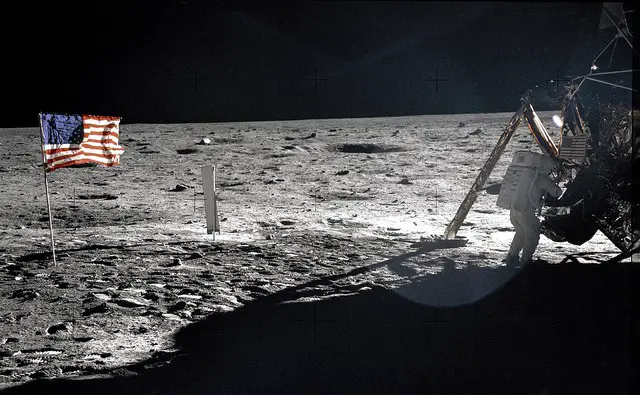
These Moon facts for kids start with the basics. The Moon is Earth’s only natural satellite, a ball of rock about 3,480…

Saturn Facts for KS2
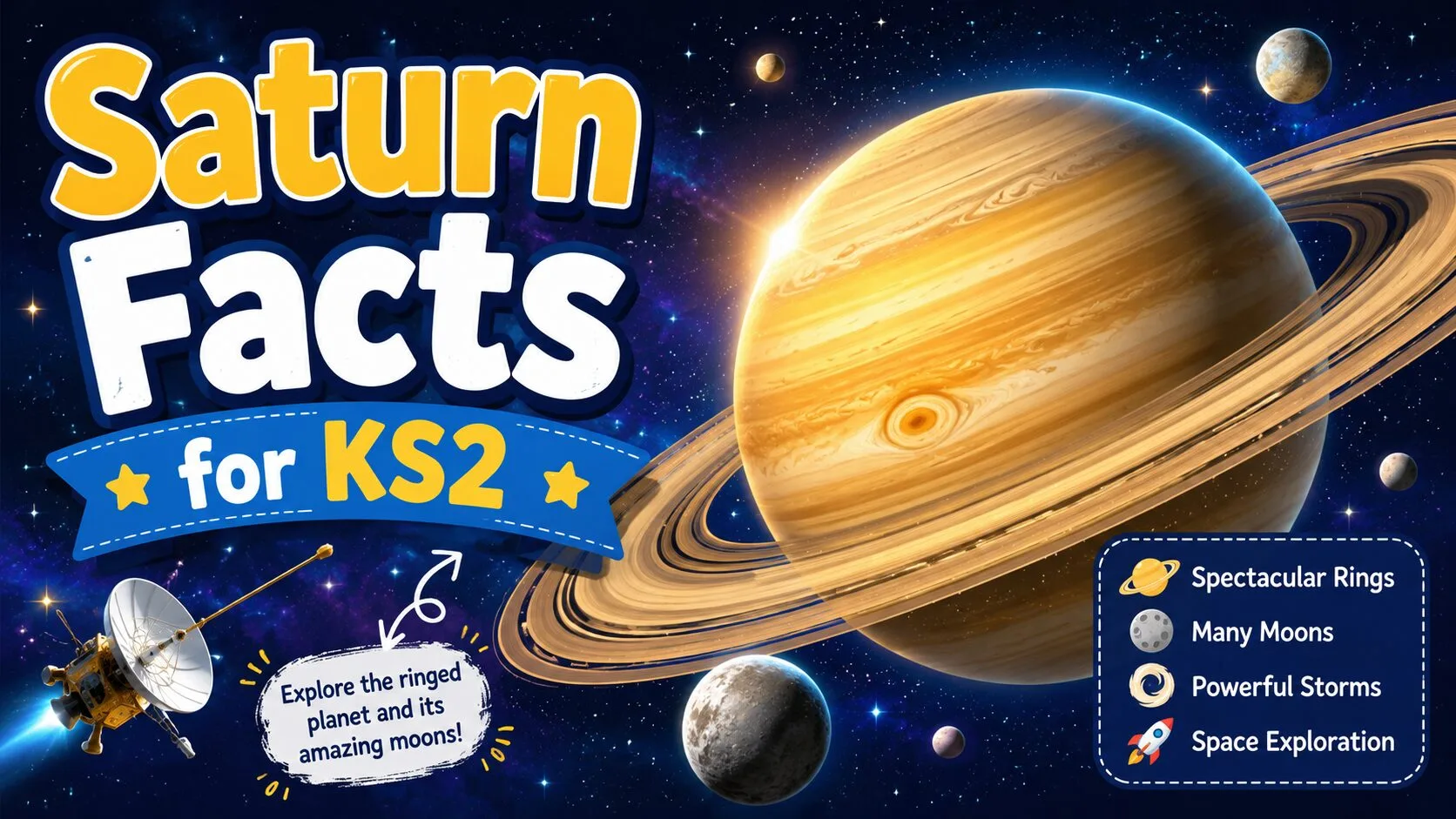
Saturn is the sixth planet from the Sun and the second largest in the solar system. It is a gas giant made…
Neptune Facts for Kids
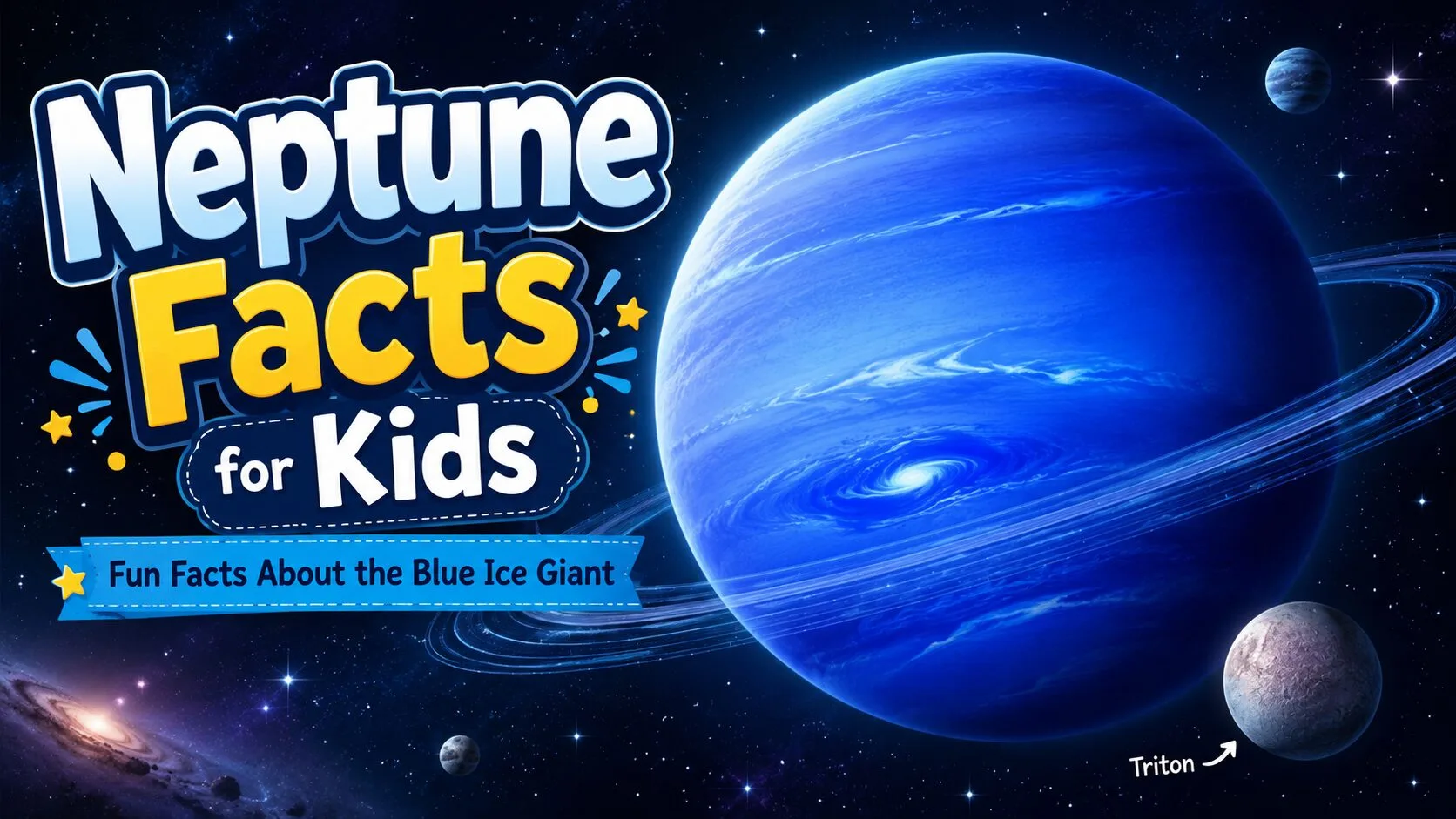
Did you know Neptune is the eighth and most distant major planet from the Sun in our solar system? It is one…
Volcano Facts for Kids
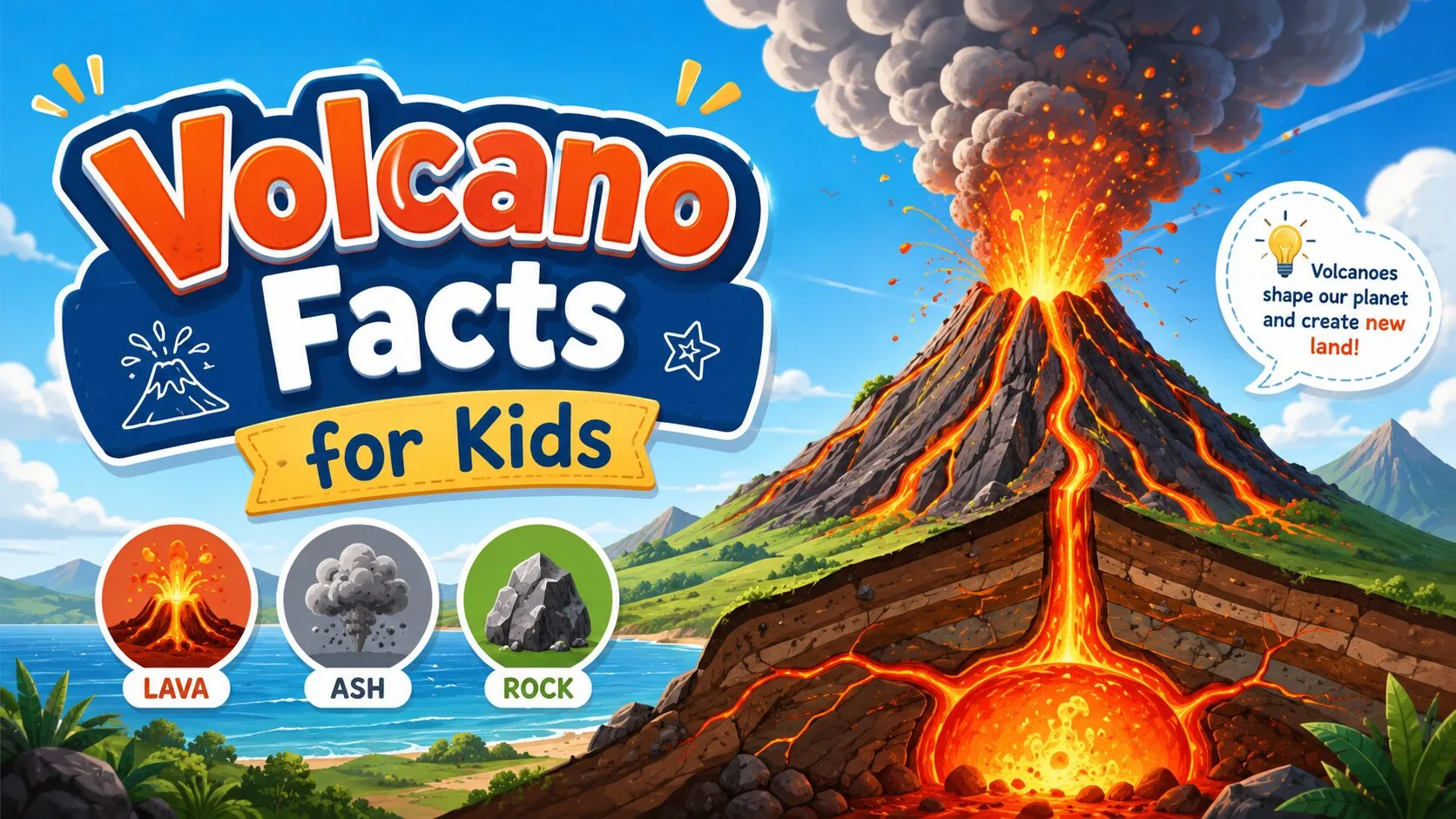
A volcano is an opening in Earth’s surface where melted rock, ash and gas escape. Melted rock is called magma underground and…

Life Cycle of a Watermelon Plant: Growth Stages From Seed to Fruit
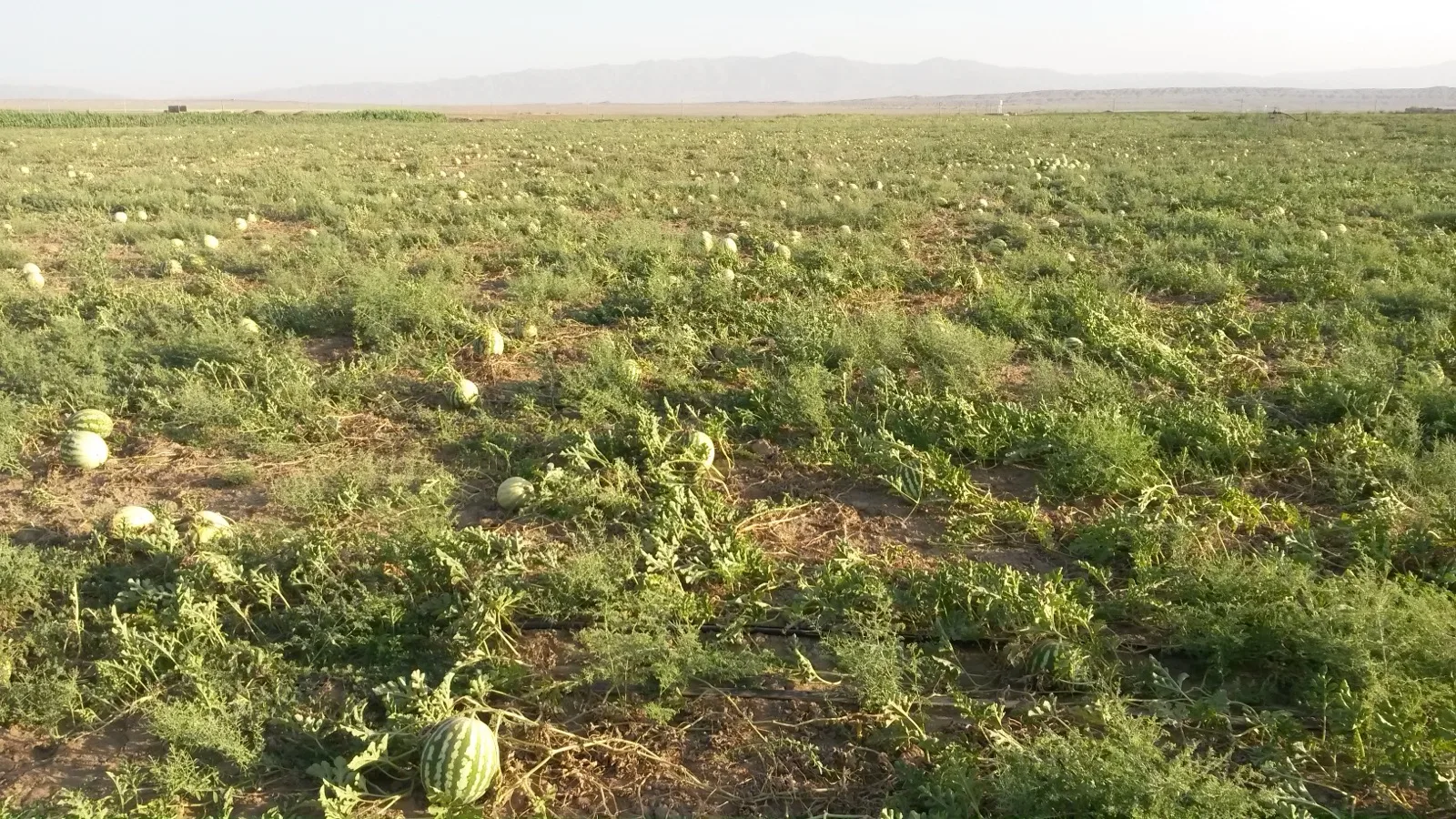
The watermelon plant life cycle takes about 10 to 16 weeks from seed to ripe fruit. A seed sprouts in warm soil…

Neptune Facts for Kids
Neptune is the eighth and farthest planet from the Sun, about 4.5 billion km away, and the only planet you cannot see…

Magnet Facts for Kids
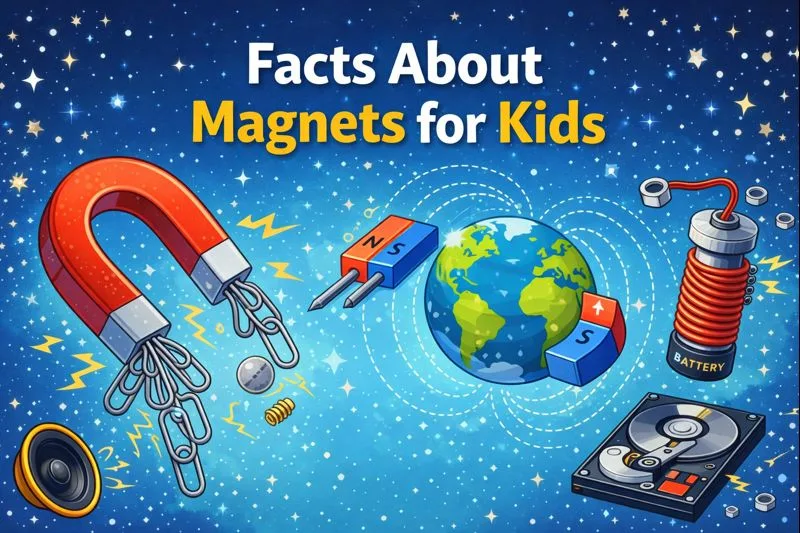
A magnet is an object that attracts iron and makes a magnetic field around itself. Every magnet has a north and a…
Space Facts for Kids
Space is everything beyond Earth’s air: a near-empty vacuum holding planets, moons, stars and galaxies. Our solar system formed about 4.6 billion…
Pumpkin Facts for Kids
A pumpkin is a fruit, not a vegetable: a hard-skinned berry called a pepo from the Cucurbita squash family. It takes about…

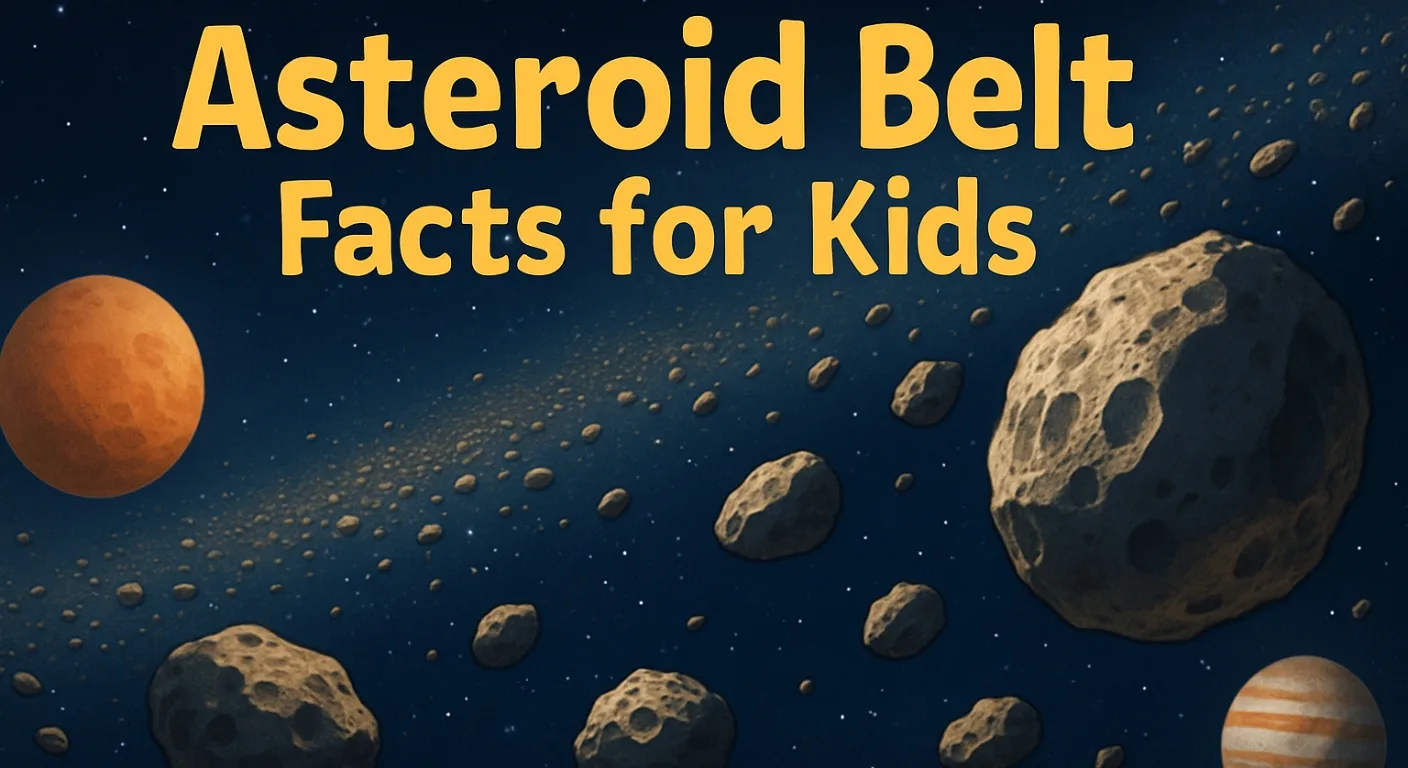
Asteroid Belt Facts for Kids
Introduction – What and Where Is The Asteroid Belt? The asteroid belt is defined as a region in the Solar system which…

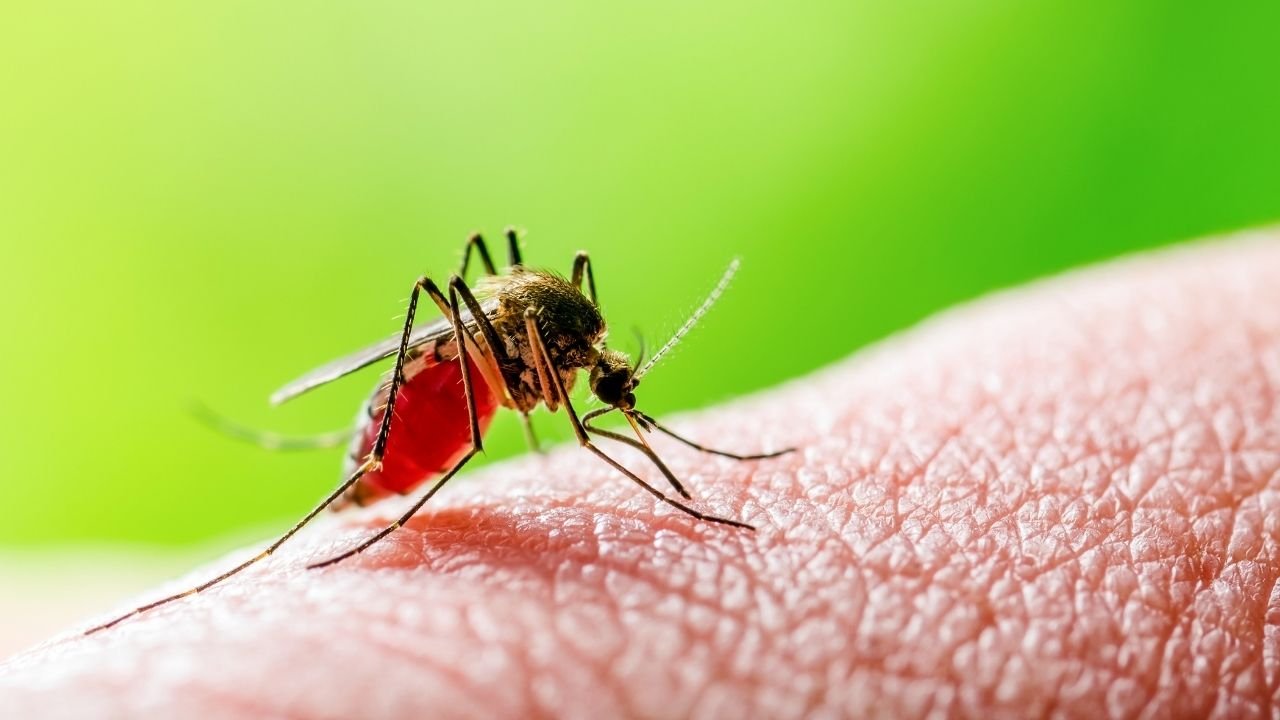
Life Cycle of the Malaria Parasite
The life cycle of the malaria parasite, Plasmodium, needs two hosts. A female Anopheles mosquito injects it with a bite. It multiplies…
Tectonic Plate Facts for Kids
Tectonic plates are huge slabs of solid rock that make up the Earth’s outer layer, fitting together like a jigsaw. They rest…
Rainforest Facts for Kids (KS1)
A rainforest is a forest of tall, mostly evergreen trees that gets lots of rain. Tropical rainforests are hot and wet and…

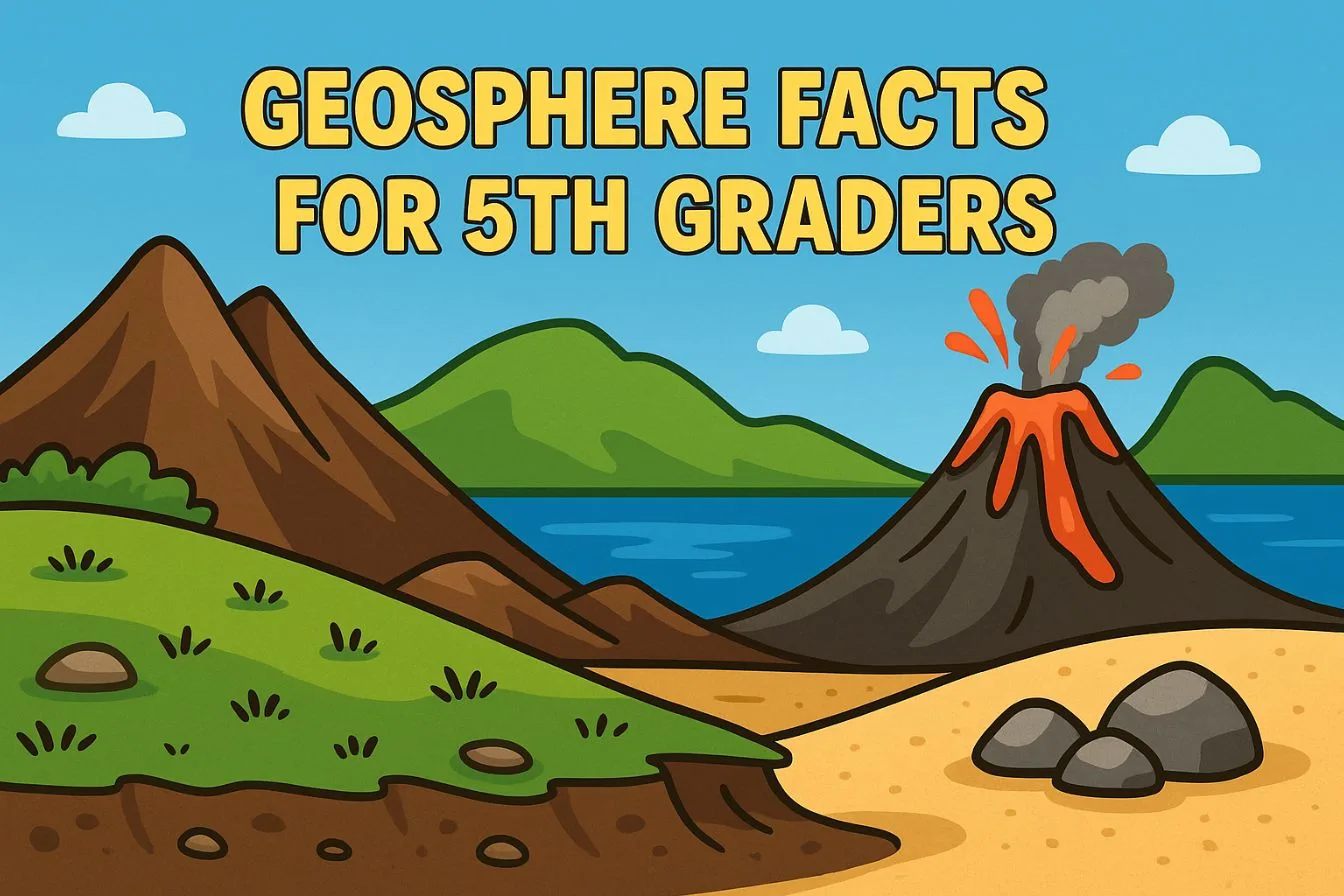
Geosphere Facts for 5th Graders
Here are the key geosphere facts for 5th graders. The geosphere is the rocky part of Earth: its rocks, minerals, soil and…
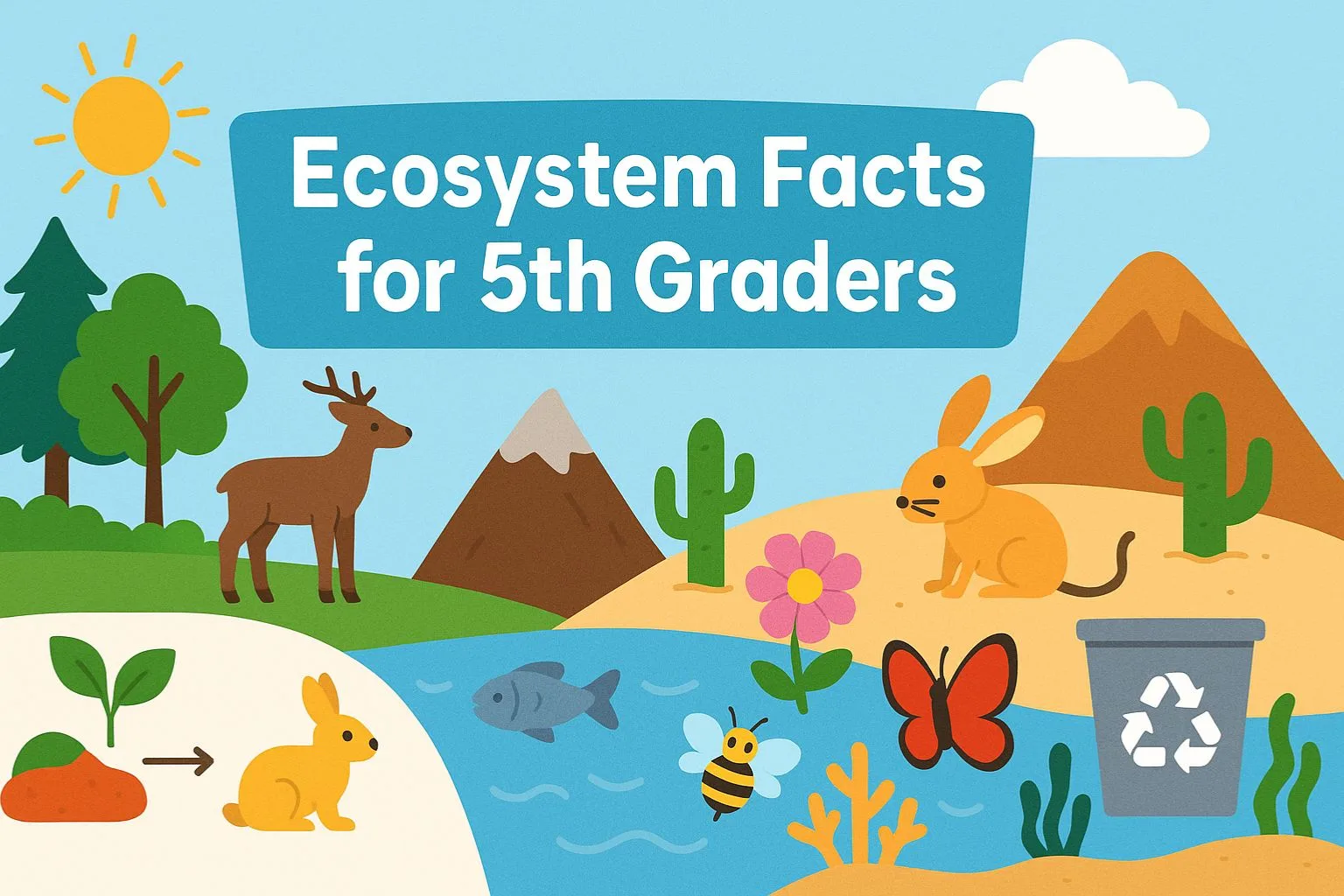
Ecosystem Facts for 5th Graders
An ecosystem is a community of living things, such as plants, animals and fungi, together with the non-living things around them, such…
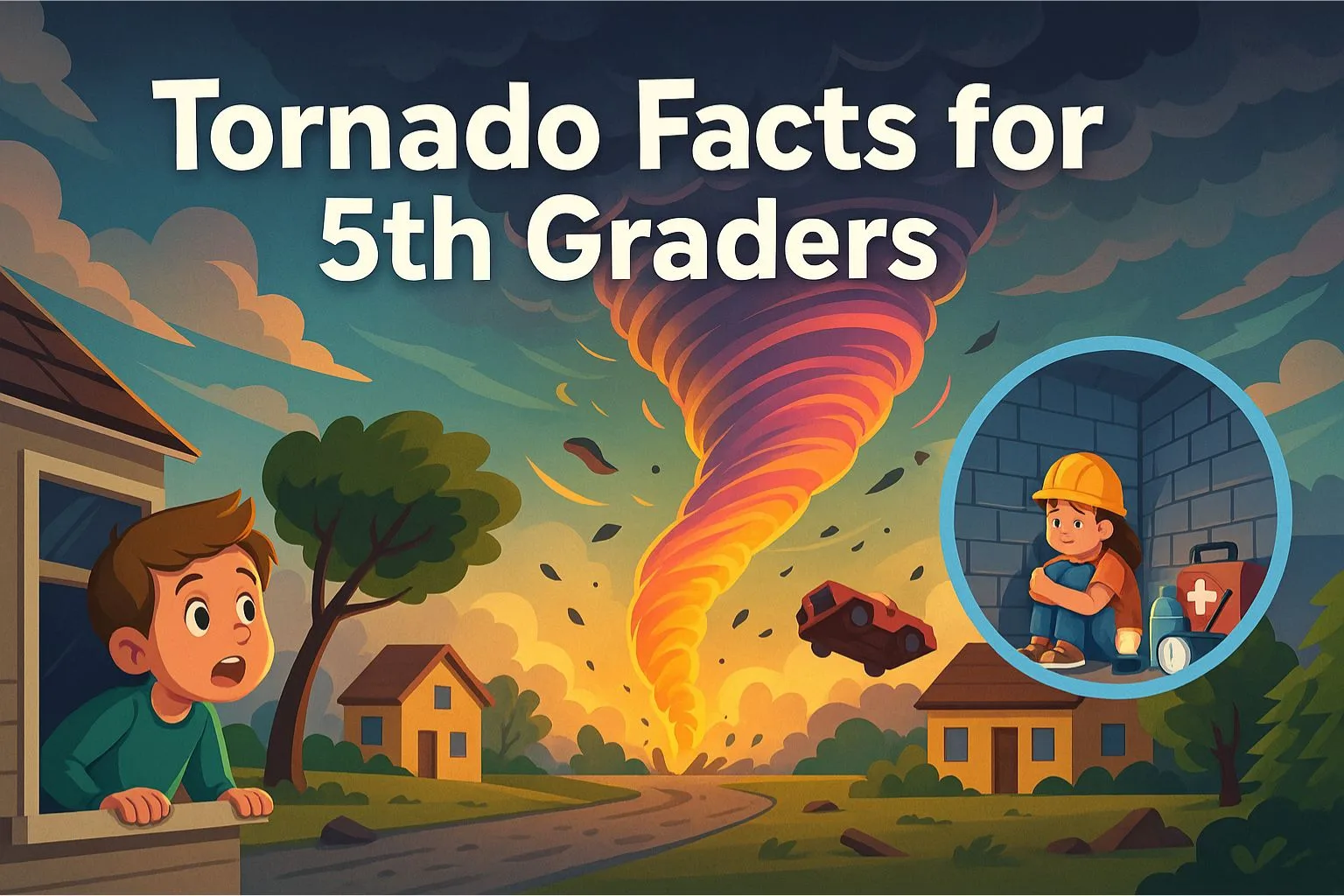
Tornado Facts for 5th Graders
A tornado is a narrow, violently rotating column of air that reaches from a thunderstorm to the ground. The United States gets…
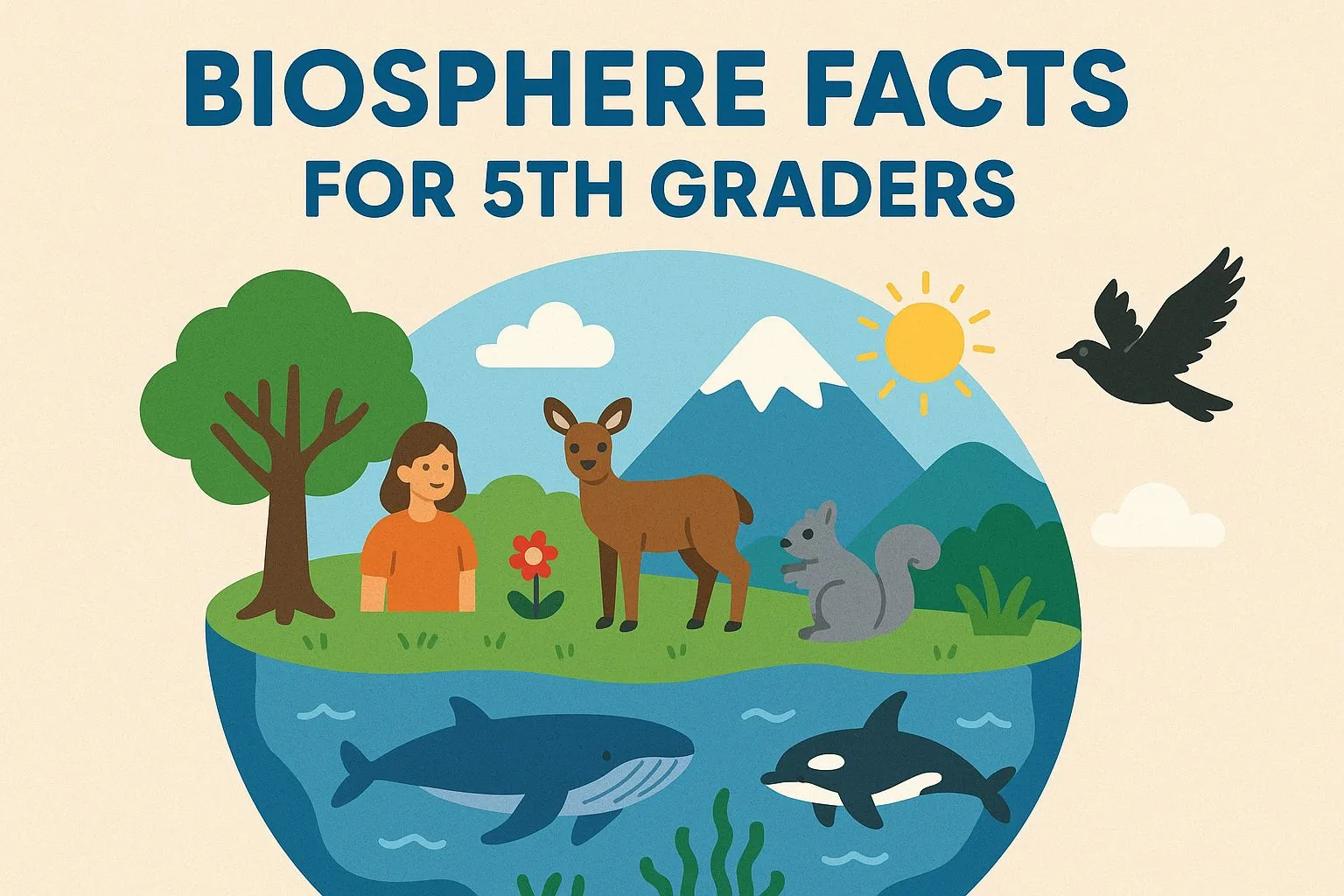
Biosphere Facts for 5th Graders
The biosphere is the part of Earth where life exists, a thin layer from the deep-sea vents to a few kilometres up…
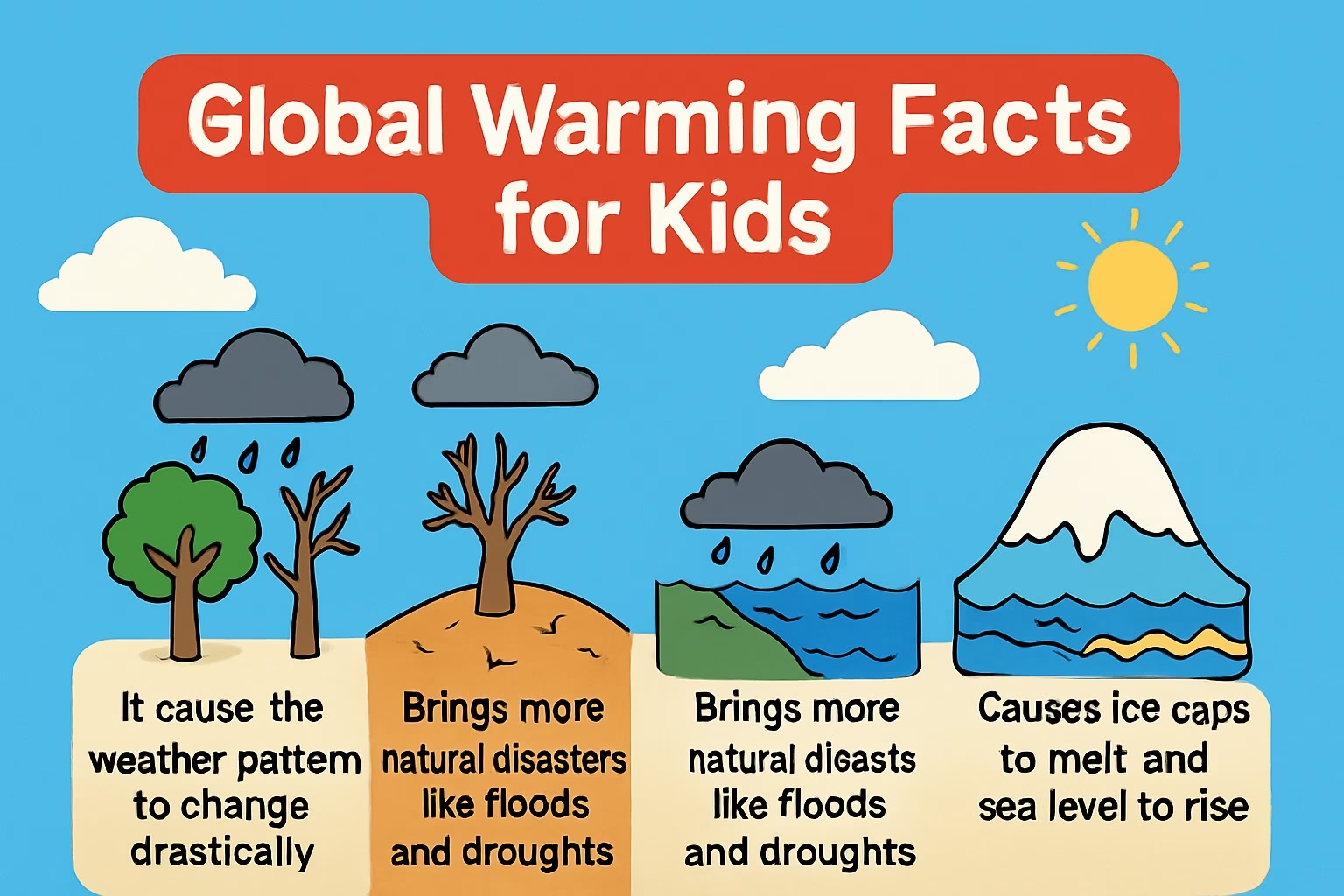
Global Warming Facts for Kids (KS2)
Global warming is the slow rise in the Earth’s average temperature. Since the Industrial Revolution, the planet has warmed by about 1.1°C.…
Roses Facts For Kids: Discover Their Amazing Secrets!
Roses are one of the most lively and aromatic blossoms. They hold a world of wonder waiting for you to explore! In…