Bonfire Night quick facts
- Guy Fawkes was not the leader of the Gunpowder Plot. The plan was Robert Catesby’s.
- When he was caught, Fawkes told the guards his name was John Johnson.
- The lantern Fawkes is said to have carried that night is in the Ashmolean Museum in Oxford.
- Before every State Opening of Parliament, the Yeomen of the Guard still search the cellars.
- For many years after the plot, the dummy burned on bonfires was often the Pope, not Guy Fawkes.
What is Bonfire Night?
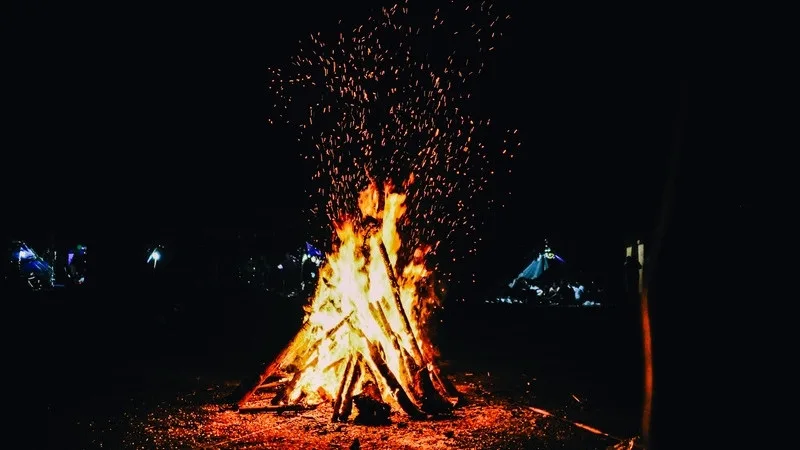
Bonfire Night is on 5 November every year. People across Britain light bonfires and set off fireworks. Some people call it Guy Fawkes Night or Firework Night.
Oddly, the night remembers something that never happened. In 1605 a group of men planned to blow up the King and Parliament in London, but they were discovered just in time. The country gave thanks.
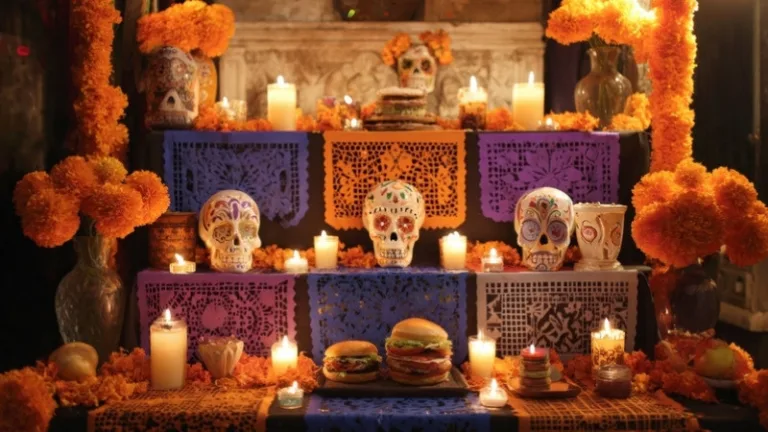
Bonfire Night comes at the end of a busy week. Halloween is on 31 October, and Mexico’s Day of the Dead follows on 1 and 2 November. Then, on the 5th, the sky over Britain fills with sparks and smoke.
Why did the plotters want to blow up Parliament?
The plot grew out of a quarrel about religion. Catholics and Protestants both follow Christianity, but in the 1500s and 1600s they were bitter rivals.
In England the rulers were Protestant. Being a Catholic was dangerous. Priests who were caught leading secret services could be tortured and put to death, so many Catholic families had to worship in hiding.
In 1603 a new king arrived. James VI of Scotland also became James I of England. His mother, Mary, Queen of Scots, had been a devout Catholic. Many Catholics hoped he would treat them more kindly.
He did not. James was a Protestant, and he was not a tolerant king. He made peace with Catholic Spain, but even that did nothing to help English Catholics.
A handful of young Catholic gentlemen decided to act. Their plan was shocking. They would blow up the House of Lords while the King was inside it.
The blast was timed for the State Opening of Parliament. This is the ceremony that starts a new session of Parliament. On that day the King, the Lords and the members of the House of Commons all gather in the Lords’ chamber. One explosion could have killed nearly everyone who ran the country.
Next, the plotters meant to seize the King’s nine-year-old daughter, Princess Elizabeth, and make her queen. She was living at Coombe Abbey, in the Midlands, far from the blast. What would happen after that was never properly worked out.
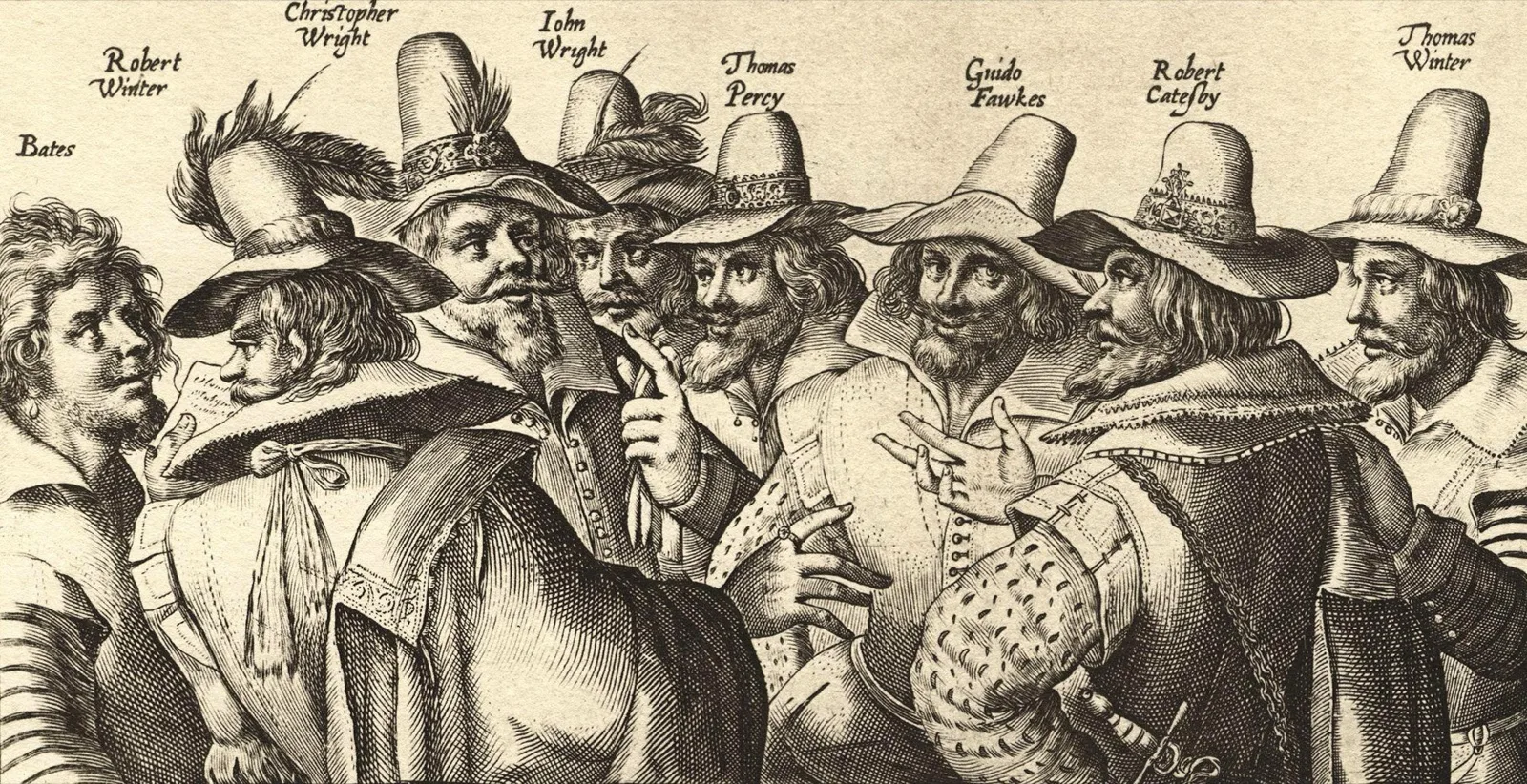
Who were the Gunpowder plotters?
The leader was Robert Catesby, a charming gentleman from Warwickshire. In May 1604 he suggested blowing up the King together with both Houses of Parliament.
Thirteen men ended up in the plot. Most were wealthy, and many were related to each other by birth or by marriage. Some had been caught up in earlier plots against the Crown.
| Plotter | What we know about him |
|---|---|
| Robert Catesby | the leader, who came up with the plan in 1604 |
| Guy Fawkes | the soldier who guarded the gunpowder |
| Thomas Wintour | Catesby’s cousin, who brought Fawkes into the plot |
| Robert Wintour | Thomas Wintour’s brother |
| John Grant | the Wintour brothers’ brother-in-law |
| Thomas Percy | worked for the Earl of Northumberland, which helped the plotters get into Parliament |
| John and Christopher Wright | brothers who were Fawkes’s childhood classmates |
| Francis Tresham | Catesby’s second cousin |
| Thomas Bates | a servant in the Catesby and Tresham circle |
| Ambrose Rookwood | held in the Tower of London, where marks he left can still be seen |
| Sir Everard Digby | also held in the Tower, where he too left marks |
| Robert Keyes | unlike most of the others, not a wealthy man |
Guy Fawkes was born in York in 1570. He was brought up a Protestant. His father died when Guy was eight, and after his mother married a Catholic, young Guy became a Catholic too.
As a young man he went to Europe to fight for Catholic Spain. By 1593 he was a soldier in the Spanish army in the Netherlands. He was at the capture of Calais in 1595. While he was abroad, he began calling himself Guido.
Thomas Wintour sought Fawkes out abroad and brought him home in 1604. Fawkes was useful for two reasons. He was the only plotter who really understood gunpowder, from his years as a soldier. He had also been away so long that nobody in London knew his face.
Who’s Who in the Plot
- Guy Fawkes — Called himself Guido while he was abroad
- Thomas Wintour — Sought Fawkes out abroad and brought him home
- Thomas Percy — Steward to the Earl of Northumberland
- The Wright brothers — Fawkes's childhood classmates
- Francis Tresham — Catesby's second cousin
- Robert Keyes — Unlike most of the plotters, not a wealthy man
- Princess Elizabeth — The girl the plotters meant to make queen
The cellar under the House of Lords
The plotters’ first idea was a tunnel. They rented a house beside the House of Lords and started to dig. The work was far too hard. They gave up.
Then they found an easier way in. In March 1605 they rented an undercroft directly underneath the House of Lords. An undercroft is a storeroom beneath a building. Most people call this one a cellar, and so does this guide.
Thomas Percy’s job helped. He was a steward for the powerful Earl of Northumberland. His family links to the Earl helped the group gain access to Parliament.
Catesby also rented a house in Lambeth, across the River Thames from Parliament. The plotters used it as a base and a store. It was later nicknamed Guy Fawkes’s house, but he never actually lived there.
The opening of Parliament kept being put off. At last it was fixed for 5 November 1605. By then 36 barrels of gunpowder were in the cellar, hidden under piles of firewood. Guy Fawkes kept watch over them.
Only one thin floor separated all that powder from the room where the King would sit. Fawkes simply had to wait.
The Monteagle letter
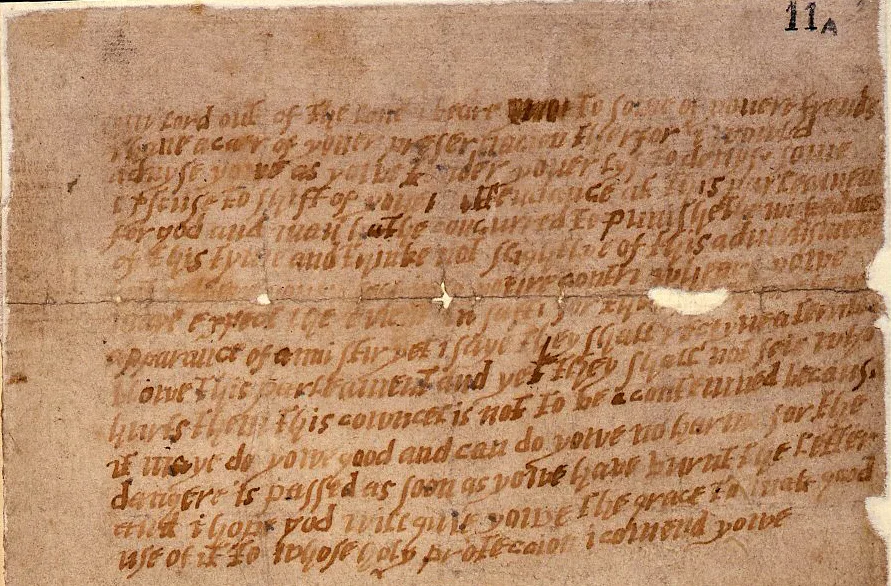
Ten days before the opening, the secret began to leak. On 26 October 1605, Lord Monteagle, a Catholic lord who was due to sit in Parliament, received a letter with no name on it.
The letter told him to invent an excuse and stay away. It warned that Parliament would “receive a terrible blow” and yet would not see “who hurts them”. It even told him to burn the letter once he had read it.
Monteagle did not burn it. The letter reached the King’s government, and the hunt began.
Nobody knows who wrote it. Historians are not even sure it was genuine. Some think it may have been a forgery. Parliament’s own historians say the truth about the plot’s origins may never be known.
The real letter still exists. It is kept at The National Archives, where the government’s old papers are stored, along with the confessions the plotters later signed.
How Guy Fawkes was caught
On 4 November, the day before the opening, officials made a first search of Parliament. Late that night they came back for a much more careful look.
Around midnight, a royal official called Sir Thomas Knyvett went down into the cellar. He found a man standing guard. Beside him were the 36 barrels, a fuse, a small lamp and a box of matches.
The man said his name was John Johnson. He was really Guy Fawkes.
One of the searchers, Peter Heywood, is said to have snatched Fawkes’s lantern in the struggle. That may have stopped him setting off the gunpowder. Heywood’s brother Robert gave the iron lantern to the University of Oxford in 1641. You can still see it today in the Ashmolean Museum in Oxford.
Fawkes was taken to the King. He did not deny anything, and he told the King’s council that he was only sorry the plot had failed. James was insulted. Even so, he praised the prisoner’s courage.
The Plot, Step by Step
- A new king James VI of Scotland also becomes James I of England.
- The plan Robert Catesby suggests blowing up the King and both Houses of Parliament.
- The tunnel The plotters start digging from a house next door, then give up.
- The cellar They rent a storeroom right underneath the House of Lords.
- The letter Lord Monteagle receives a warning letter with no name on it.
- The first search Officials make a first search of Parliament the day before the opening.
- Caught Around midnight, Guy Fawkes is found standing guard in the cellar.
What happened to the plotters
This part of the story is upsetting, because the punishments were harsh. It is normal to find it uncomfortable. If it worries you, talk it over with a grown-up.
Fawkes was locked in the Tower of London and questioned for days. At first he would not name the others. He held out for several days. King James wrote an order allowing him to be tortured, starting with what the King called “the gentler tortures”.
In the end Fawkes named his fellow plotters and signed a confession. His signature from that time is faint and shaky. It suggests how badly he had been hurt.
Meanwhile the other plotters had fled to the Midlands. On the morning of 8 November, the High Sheriff of Worcestershire and his men caught up with them at Holbeach House in Staffordshire. Robert Catesby, Thomas Percy and the two Wright brothers were shot dead.
Eight surviving plotters were tried in Westminster Hall on 27 January 1606. They were charged with treason, which means trying to harm or overthrow your own ruler or country. All eight were found guilty.
They were executed in London on 30 and 31 January 1606. Guy Fawkes died on 31 January, the last of the plotters to be put to death. It was the harshest punishment the law allowed at the time.
Gunpowder Plot timeline
Here is the whole story in order, from the new king to the last big anniversary. It is a handy list for a school project.
| Date | What happened |
|---|---|
| 1603 | James VI of Scotland becomes James I of England |
| May 1604 | Robert Catesby proposes blowing up the King and Parliament |
| 1604 | Thomas Wintour brings Guy Fawkes back to England |
| March 1605 | The plotters rent the undercroft beneath the House of Lords |
| Autumn 1605 | 36 barrels of gunpowder sit in the cellar, hidden under firewood |
| 26 October 1605 | Lord Monteagle receives the unsigned warning letter |
| 4 November 1605 | A first search of Parliament is made |
| Around midnight, 4 to 5 November 1605 | Guy Fawkes is caught in the cellar, calling himself John Johnson |
| 8 November 1605 | Catesby, Percy and the Wright brothers are killed at Holbeach House |
| January 1606 | Parliament passes the Thanksgiving Act |
| 27 January 1606 | Eight plotters are tried in Westminster Hall |
| 30 and 31 January 1606 | The eight are executed; Fawkes dies on the 31st |
| 1834 | Fire destroys the old Houses of Parliament, and the cellar with them |
| 1859 | The law ordering thanksgiving every 5 November comes to an end |
| 2005 | Parliament marks 400 years with an exhibition in Westminster Hall |
Why we light bonfires on 5 November
The first bonfires were lit to celebrate the King’s escape. In January 1606, Parliament passed the Thanksgiving Act. It made 5 November a yearly day of thanks for what it called “the joyful day of deliverance”. Deliverance means being rescued from danger.
The law is often called the Observance of 5th November Act 1605, even though Parliament passed it in January 1606. Both dates appear in books, so do not be surprised if you see either one.
Every 5 November, churches all over the country held special services to give thanks that the King and Parliament had been saved. Thousands of sermons were preached on that date over the next two hundred years. Church bells rang and bonfires blazed. Fireworks were part of some of the very first celebrations too.
The law stayed in force until 1859. By then nobody needed a law to tell them to light a bonfire on 5 November, and the celebrations simply carried on without it.
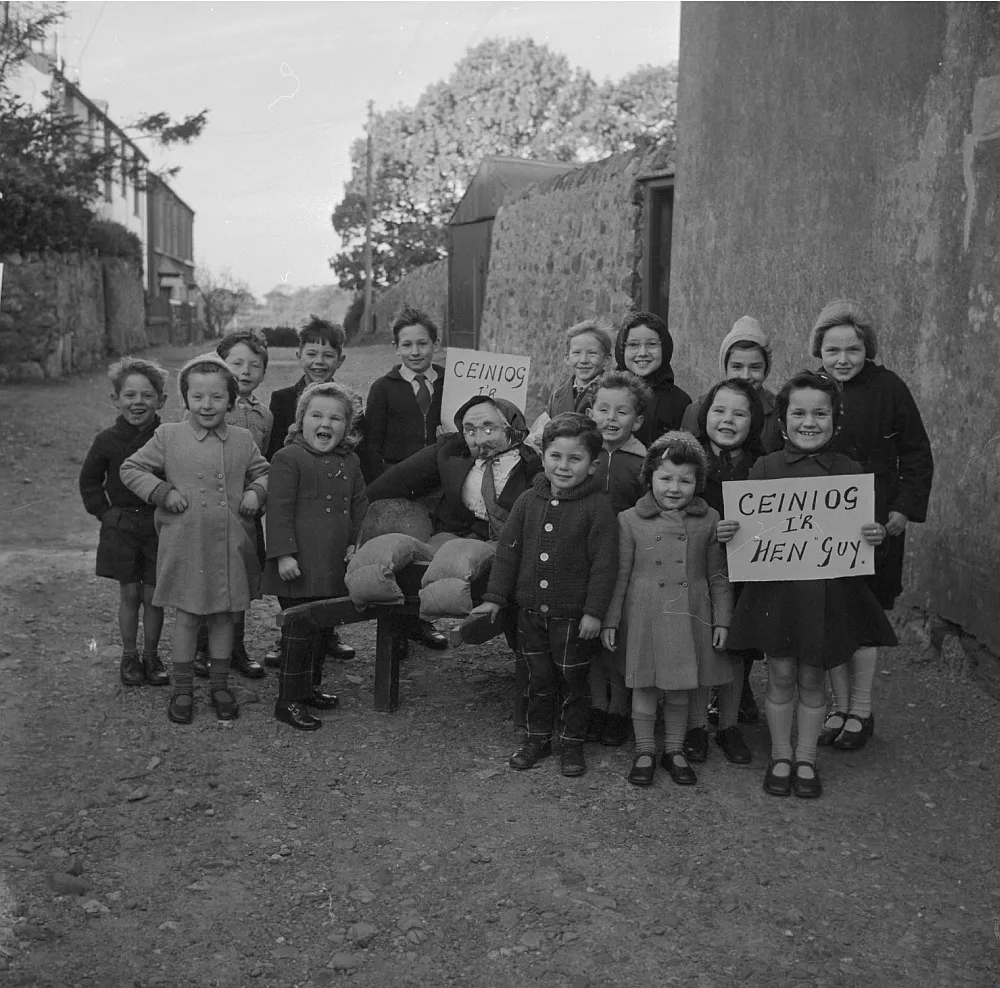
For a long time, Guy Fawkes was not the figure burned on the bonfire. From the reign of Charles I, who ruled from 1625 to 1649, people often burned dummies of the Pope or the devil. Guy Fawkes seems to have taken their place later, perhaps only after the laws against Catholic worship were removed. Historians are not certain exactly when.
A dummy like this is called an effigy. On Bonfire Night it is known as a guy. Children still make guys for some bonfires today.
In the 1800s, children went round chanting rhymes while they collected money and firewood for the bonfire. That is where the old request for “a penny for the Guy” comes from. The best-known rhyme begins “Remember, remember, the fifth of November”.
Bonfire Night Words and Customs
- Effigy — A dummy made to be burned on a bonfire
- Deliverance — Being rescued from danger
- A penny for the Guy — What children asked for when collecting
- The reign of Charles I — When dummies of the Pope began to be burned
- 1859 — The year the thanksgiving law came to an end
- Remember, remember — The opening words of the best-known rhyme
Bonfire Night then and now
The night has changed a great deal in more than 400 years. Some parts, though, are older than you might expect.
| In the 1600s | Today | |
|---|---|---|
| What people remembered | the King’s escape from death | the plot and the story of Guy Fawkes |
| Church | special thanksgiving services, set by law | no law; it ended in 1859 |
| Figure on the bonfire | often the Pope or the devil, from the reign of Charles I | sometimes a guy, meant to be Guy Fawkes |
| Fireworks | part of some of the earliest celebrations | public displays and garden fireworks |
| Parliament | the plotters’ target | still searched by the Yeomen of the Guard before the State Opening |
The search of Parliament’s cellars
One custom goes straight back to 1605. Just before every State Opening of Parliament, the Yeomen of the Guard search the cellars of the Palace of Westminster. They are checking that no modern Guy Fawkes is hiding below.
It is mostly for show. Parliament itself describes the search as a picturesque custom rather than a real security check, because today’s Parliament has proper modern security for that.
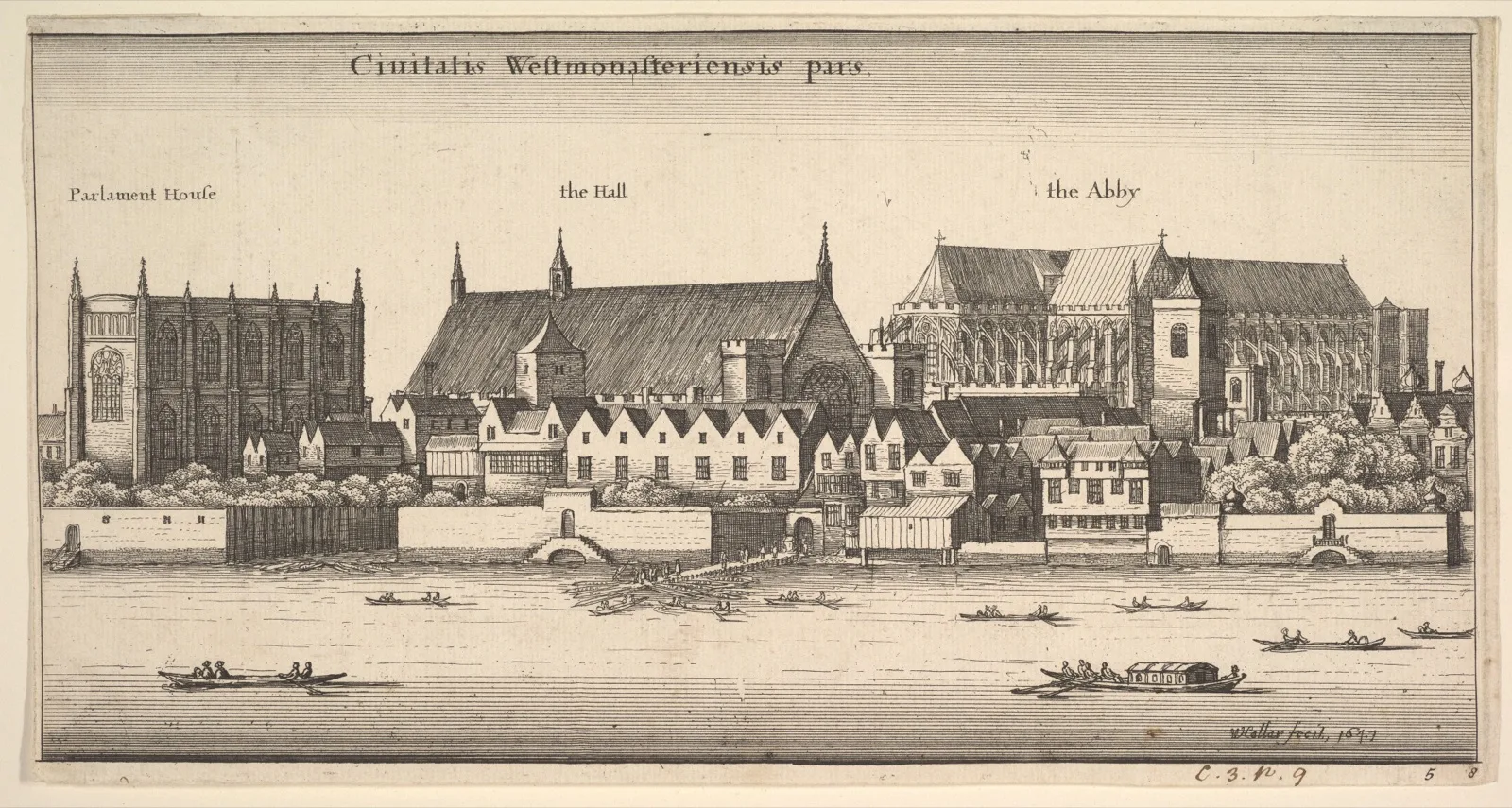
The cellar Guy Fawkes guarded is gone. It was destroyed in 1834, when fire swept through the old Houses of Parliament. A new palace was built on the site, with the clock tower that holds Big Ben.
Westminster Hall, where the plotters were tried, survived the fire. In 2005, 400 years after the plot, Parliament held an exhibition about it in that very hall.
Firework safety and the Firework Code
Fireworks are explosives, just like the plotters’ gunpowder, only much smaller. That is why there are clear rules for using them. The Royal Society for the Prevention of Accidents, known as RoSPA, publishes the Firework Code. These are its main points for families.
- Only adults should handle fireworks, including lighting them and clearing them away.
- Children should be supervised and should watch from a safe distance.
- Never go back to a firework once it has been lit.
- Never put fireworks in your pockets, and never throw them.
- Do not give sparklers to children under five.
- Wear gloves with a sparkler, hold it at arm’s length and light one at a time.
- Put used sparklers in a bucket of cold water.
Sparklers look gentle, but they burn at extremely high temperatures. Treat every one as if it could burn you, because it can.
Firework Code Check
- Who should light fireworks?
- A firework has been lit but has not gone off. What should you do?
- Where should a used sparkler go?
- Who should not be given sparklers at all?
- How should a lit sparkler be held?
Three things people get wrong
1. Guy Fawkes did not lead the plot. Robert Catesby did. Parliament’s own history pages call Fawkes “a minor cog in the wheel”. He became famous because he was the one caught with the gunpowder. He was the first plotter arrested and the last to be executed.
2. The plotters did not tunnel under Parliament. They did try to dig a tunnel from a house next door, but it proved too difficult. In the end they simply rented a storeroom under the House of Lords and carried the barrels in.
3. Bonfire Night was not started to honour Guy Fawkes. It began as a thanksgiving for the King’s survival. The law ordered it. For many years the figure on the bonfire was more often the Pope than Guy Fawkes.
Did you know? The cellar where Guy Fawkes was caught no longer exists. It was destroyed in 1834, when a great fire burned down most of the old Houses of Parliament.
Bonfire Night: Fact or Myth?
- The plotters reached the cellar through a tunnel they dug.
- Only one thin floor separated the gunpowder from the room where the King would sit.
- Guy Fawkes grew up in a Catholic family.
- Lord Monteagle, who received the warning letter, was a Catholic.
- Historians know for certain who wrote the Monteagle letter.
- Fireworks were part of some of the very first 5 November celebrations.
- Guy Fawkes lived in the Lambeth house that is nicknamed after him.
- Some plotters left marks in the Tower of London that can still be seen today.
Try it
Write your own secret warning letter in code. Choose a short message. Then swap each letter for the one three places later in the alphabet, so A becomes D and B becomes E. Leave it unsigned, just like the real Monteagle letter. Give it to a friend with the clue “3” and see if they can crack it.
Knowledge check
Who was the leader of the Gunpowder Plot?
Show answer
Robert Catesby. Guy Fawkes was the man guarding the gunpowder, not the leader.
How was the Gunpowder Plot discovered?
Show answer
An unsigned letter warned Lord Monteagle to stay away from Parliament. The cellars were searched, and Guy Fawkes was found with 36 barrels of gunpowder.
Frequently asked questions
Why do we celebrate Bonfire Night?
Bonfire Night remembers the failure of the Gunpowder Plot of 1605, a plan to blow up King James I and Parliament. In January 1606 Parliament made 5 November a yearly day of thanksgiving, and people lit bonfires to celebrate the King’s escape.
What did Guy Fawkes do?
Guy Fawkes guarded 36 barrels of gunpowder hidden in a cellar under the House of Lords. He was caught around midnight on 4 to 5 November 1605, just hours before Parliament was due to open.
Who was the leader of the Gunpowder Plot?
Robert Catesby, a Catholic gentleman from Warwickshire, led the Gunpowder Plot. He proposed the plan in May 1604. Guy Fawkes was one of 13 plotters and was chosen because he understood gunpowder.
How many barrels of gunpowder were in the Gunpowder Plot?
The Gunpowder Plotters hid 36 barrels of gunpowder under piles of firewood. The barrels sat in a storeroom, called an undercroft, directly beneath the House of Lords in London.
What happened to Guy Fawkes?
Guy Fawkes was questioned under torture in the Tower of London after his arrest. He was tried for treason in Westminster Hall on 27 January 1606 and executed on 31 January 1606.
Is Parliament still searched before the State Opening?
Yes. The Yeomen of the Guard search the cellars of the Palace of Westminster before every State Opening of Parliament. The search is a custom that dates back to the Gunpowder Plot.
Sources
- UK Parliament: Gunpowder Plot frequently asked questions — the plotters, Fawkes’s early life and minor role, the letter’s uncertain origin, the search, the trial and executions, the Thanksgiving Act and its repeal in 1859, the ceremonial search, and the loss of the cellar in 1834
- UK Parliament: The Plot — why the plotters acted, Catesby’s plan of May 1604, the failed tunnel, the undercroft rented in March 1605 and the 36 barrels
- UK Parliament: Commemoration of the Gunpowder Plot — the Thanksgiving Act of January 1606, sermons, bells, bonfires, early fireworks, effigies of the Pope and the chants used to collect money and firewood
- The National Archives: Gunpowder Plot — the Monteagle letter and its date, the arrest by Sir Thomas Knyvett, the name John Johnson, Princess Elizabeth, Holbeach House and the trial of eight plotters
- Historic Royal Palaces: Guy Fawkes and the Gunpowder Plot — Fawkes’s life, the 13 plotters, the Lambeth house, the lantern, the King’s torture order, the shaky signature, the events of 8 November and the Observance of 5th November Act
- RoSPA: firework safety — the Firework Code and sparkler safety advice
Bonfire Night Final Challenge
- Before he became King of England, which country did James already rule?
- Why did many Catholics hope King James would treat them more kindly?
- Why did the plotters choose the State Opening of Parliament for their attack?
- In which city was Guy Fawkes born?
- Where was Guy Fawkes a soldier by 1593?
- Who went down into the cellar around midnight and found Guy Fawkes?
- What name did Guy Fawkes give when he was caught?
- Which of these was NOT found beside Guy Fawkes in the cellar?
- Where is the real Monteagle letter kept today?
- What happened to Guy Fawkes's lantern in 1641?
- What was built after fire destroyed the old Houses of Parliament in 1834?