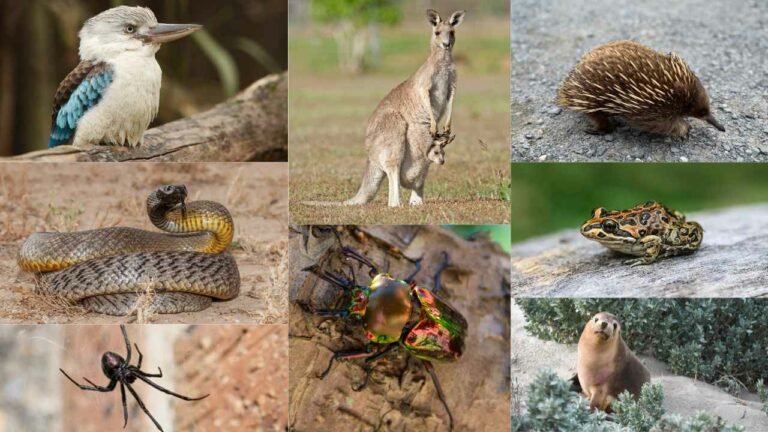
Platypus quick facts
- The platypus is a mammal that lays eggs, one of the few monotremes left.
- Underwater it shuts its eyes and ears and hunts with an electric sense in its bill.
- Males have a venomous spur, about 12 mm long, on each back ankle.
- Platypus fur glows green and blue under ultraviolet light.
- Platypuses have disappeared from about 40% of the areas they once lived.
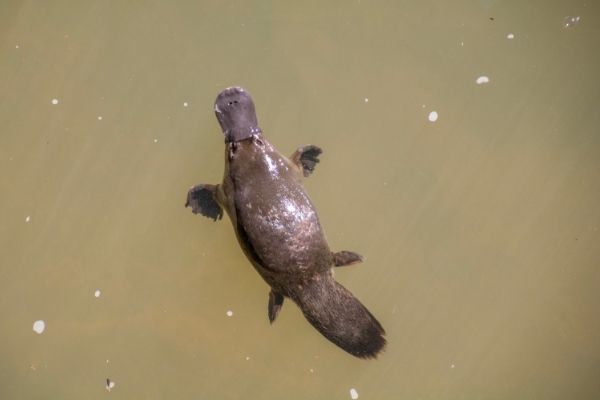
A platypus hunts with its eyes shut. It finds its food by sensing the tiny electric signals that other animals give off.
What a platypus is
The platypus is a mammal, like us. It has fur and feeds its babies on milk. But it lays eggs.
Egg-laying mammals are called monotremes. Only a handful still exist: the platypus and the echidnas. Monotremes split away from all other mammals more than 150 million years ago.
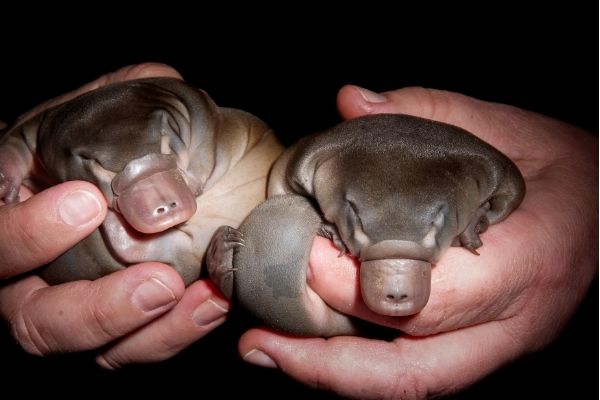
The animal scientists thought was a fake
In 1799, a dried platypus skin reached the British Museum in London. The man in charge of its natural history collection, George Shaw, could hardly believe it.
It had a duck’s bill, fur like a mole’s and a tail like a beaver’s. Scientific hoaxes did happen, and this looked as if someone had sewn bits of different animals together.
Shaw even cut into the skin, looking for stitches. He found none. He described the animal anyway and named it Platypus anatinus, which means “flat-footed duck”. Today its scientific name is Ornithorhynchus anatinus. Discover Magazine tells the whole story.
Size and where it lives
| Males | Females | |
|---|---|---|
| Length, bill to tail | 40 to 63 cm | 37 to 55 cm |
| Weight | 0.8 to 3 kg | 0.6 to 1.7 kg |
| Venomous spurs | Yes | No |
Platypuses live only in Australia. You find them in rivers and creeks in eastern Queensland, New South Wales, Victoria and Tasmania.
A platypus spends most of its time in a burrow dug into the bank. It comes out to feed, mostly at night.
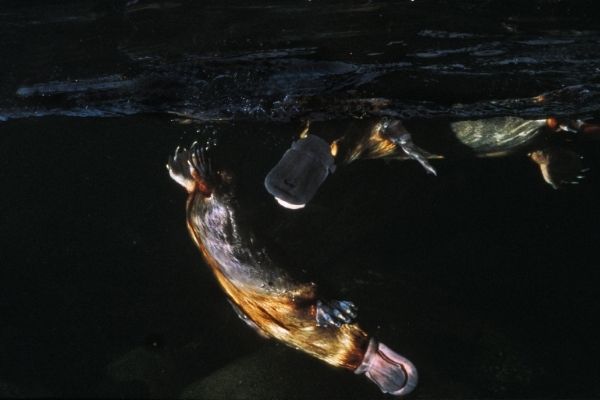
How a platypus finds food
A platypus can spend 10 to 12 hours a day foraging. It eats small water animals, especially insect larvae.
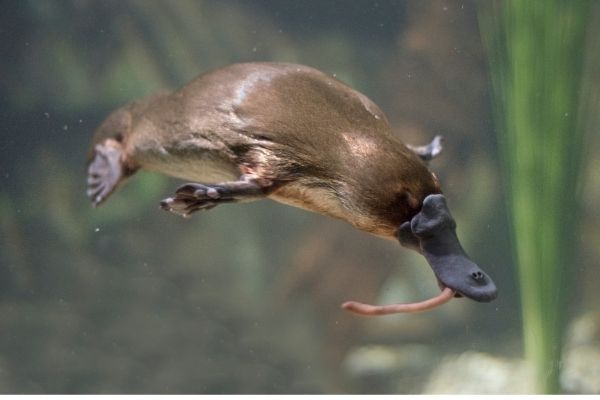
Underwater, it closes its eyes and its ears. Instead, it uses its bill. The bill is packed with sensors that feel tiny changes in water pressure, and others that pick up electric signals.
Each dive lasts between 30 and 140 seconds. The platypus sweeps its bill from side to side, collecting food, then comes up to breathe. Because it hunts by touch and electric signals rather than sight, muddy water does not stop it finding a meal.
Platypuses are busy all year round, mostly at dusk and during the night. On an average day, a platypus spends 10 to 12 hours looking for food.
Venomous spurs
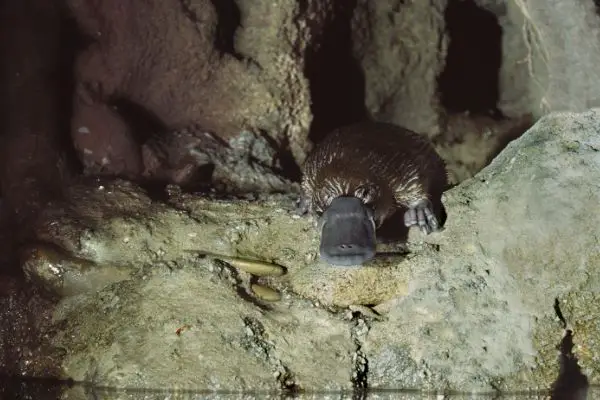
Male platypuses have a sharp spur, about 12 millimetres long, on each back ankle. It is linked to a venom gland.
The gland is most active in the breeding season. The venom causes a person terrible pain. Very few mammals anywhere are venomous, which makes the platypus stranger still.
Eggs and babies
First the mother digs a long, winding burrow into the riverbank. She spends four to five days collecting wet bedding for her nest, which stops her eggs and babies from drying out.
The eggs grow inside the mother for about 21 days. Then she lays one to three of them, usually two, and curls up to keep them warm for about ten days until they hatch.
The babies then feed on her milk for three to four months before they leave the burrow. A platypus can live for about 20 years.
Milk that fights germs
Platypus mothers have no teats. Instead, milk seeps out onto the skin of the mother’s belly, and the babies lap it up.
That leaves the milk open to germs from the outside world. So the milk carries its own germ-fighting protein. In 2018, scientists at CSIRO, Australia’s national science agency, worked out the protein’s shape.
It curls round in rings, so they named it the “Shirley Temple” fold, after a child film star famous for her ringlet curls. They hope it could one day help make creams and dressings that fight infections, including germs that antibiotics can no longer kill.
A coat that glows
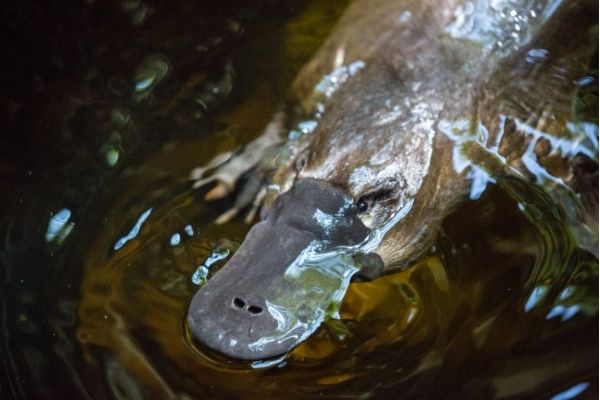
In 2020, scientists shone ultraviolet light on platypus specimens in two American museums. In normal light the fur looked brown. Under the ultraviolet lamp, it glowed green and blue.
The team tested three specimens: a female and a male from the Field Museum in Chicago, and another male from the University of Nebraska State Museum. All three glowed.
It was the first time glowing fur had been found in an egg-laying mammal. Nobody knows for sure what it is for. One idea is that it helps platypuses see each other in the dark.
Why platypus numbers are falling
The platypus is listed as Near Threatened. A 2020 study led by the University of New South Wales found platypus numbers have almost halved. Local populations have vanished from about 40% of the areas where platypuses once lived.
The main threats are dams, land clearing and drought. The researchers warned the losses would be far greater if droughts become longer and more frequent, as climate change is expected to make them.
The Australian Platypus Conservancy lists more dangers: fishing nets and traps, litter, polluted water, weirs and culverts that block their way along rivers, predators and wildfires. If you live near a platypus river, you can help by keeping litter out of the water and never leaving nets or traps where platypuses swim.
Back in Royal National Park
There is good news too. No platypus had been confirmed in Royal National Park, just south of Sydney, for more than 50 years.
In May 2023, a team from UNSW Sydney, Taronga Conservation Society, NSW National Parks and Wildlife Service and WWF-Australia brought them back. Ten platypuses, six females and four males, were released on the banks of the Hacking River.
Scientists are tracking how they survive and settle in. What they learn could help bring platypuses back to other rivers where they have disappeared.

Three things people get wrong
A platypus is not harmless. Males carry venomous spurs that can cause a person terrible pain.
Not every mammal gives birth to live babies. The platypus lays eggs, then feeds its young on milk.
Being famous does not keep it safe. Platypuses have already disappeared from about 40% of their old range.
Children! Are you already fascinated by the wonderful world of the platypus? If you like platypus, you can use the custom platypus patches as souvenirs, so that you can wear this unique love on your body and start a fantastic animal exploration journey at any time! Custom PVC Patches can be printed with various forms of your favorite platypus, and even your name, becoming your own unique souvenir. Add the soft and cute platypus patches to your baby’s world!
Did you know? Platypus fur looks brown in daylight but glows green and blue under ultraviolet light. Scientists only discovered this in 2020, by shining a UV lamp on museum specimens.
Try it
Close your eyes and ask a friend to tap gently somewhere on a table. Try to find the spot with your fingertips alone. A platypus finds its food underwater the same way, without looking.
Knowledge check
Which platypuses have venomous spurs?
Show answer
Only the males. Each male has a sharp spur about 12 millimetres long on each back ankle, linked to a venom gland that is most active in the breeding season.
How does a platypus find food with its eyes closed?
Show answer
With its bill. The bill has sensors that feel changes in water pressure and others that detect the tiny electric signals given off by the animals it eats.
Frequently asked questions
Does a platypus lay eggs?
Yes. The platypus is a mammal that lays eggs, known as a monotreme. A female lays one to three eggs, usually two, keeps them warm for about ten days, and then feeds the babies on milk for three to four months.
Is a platypus venomous?
Male platypuses are venomous. Each male has a spur about 12 millimetres long on each back ankle, linked to a venom gland. The venom causes a person terrible pain.
What does a platypus eat?
A platypus eats small water animals, especially insect larvae. It can spend 10 to 12 hours a day foraging, diving for 30 to 140 seconds at a time.
How does a platypus find food underwater?
A platypus closes its eyes and ears underwater and uses its bill instead. The bill has sensors that detect changes in water pressure and the tiny electric signals given off by its prey.
Does platypus fur glow?
Yes. In 2020 scientists found that platypus fur glows green and blue under ultraviolet light. It was the first glowing fur found in an egg-laying mammal, and its purpose is still unknown.
Is the platypus endangered?
The platypus is listed as Near Threatened. A 2020 study found its numbers have almost halved and local populations have vanished from about 40% of its former range, mainly because of dams, land clearing and drought.
Did scientists think the platypus was fake?
Yes. When the first platypus skin reached the British Museum in 1799, George Shaw suspected someone had sewn a duck’s bill onto another animal. He cut into the skin looking for stitches, found none, and described it as a real animal.
Why is platypus milk special?
Platypus mothers have no teats, so milk seeps onto the skin of the belly and the babies lap it up. The milk contains a germ-fighting protein, named the Shirley Temple fold in 2018 for its curly shape, that scientists hope could help fight infections.
Where do platypuses live?
Platypuses live only in Australia, in rivers and creeks in eastern Queensland, New South Wales, Victoria and Tasmania. A platypus spends most of its time in a burrow dug into the riverbank.
How long can a platypus stay underwater?
A platypus dive usually lasts between 30 and 140 seconds. It closes its eyes and ears underwater, sweeps its bill to find food, then surfaces to breathe.
How long do platypuses live?
Platypuses are long-lived animals, both in the wild and in captivity. They can live for up to about 20 years, according to the Australian Museum.
Sources
- Australian Museum: platypus — size, range, feeding, spurs, eggs, lifespan and conservation status
- ScienceDaily (2020): glow-in-the-dark platypus — fur that glows green and blue under ultraviolet light
- UNSW Sydney (2020): platypus on brink of extinction — the fall in platypus numbers and the threat from drought, dams and land clearing
- CSIRO (2018): saving lives with platypus milk — the germ-fighting Shirley Temple protein and why platypus milk needs it
- UNSW Sydney (2023): the return of the platypus to Royal National Park — the ten platypuses released on the Hacking River after more than 50 years